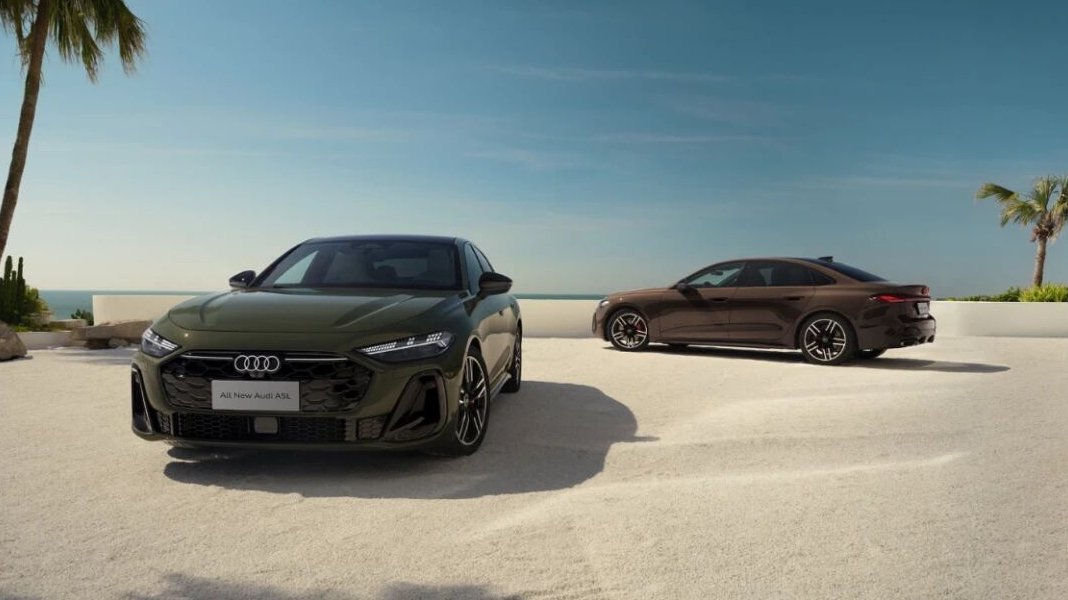
On March 19, FAW Audi officially launched the A5L all-domain mild hybrid quattro model. The official guide price is 346,800 yuan, with an attractive entry price of 324,800 yuan. The new car is equipped with the Huawei Qiankun smart driving system, covering functions such as full-speed adaptive cruise control, lane centering, and automatic lane changing.
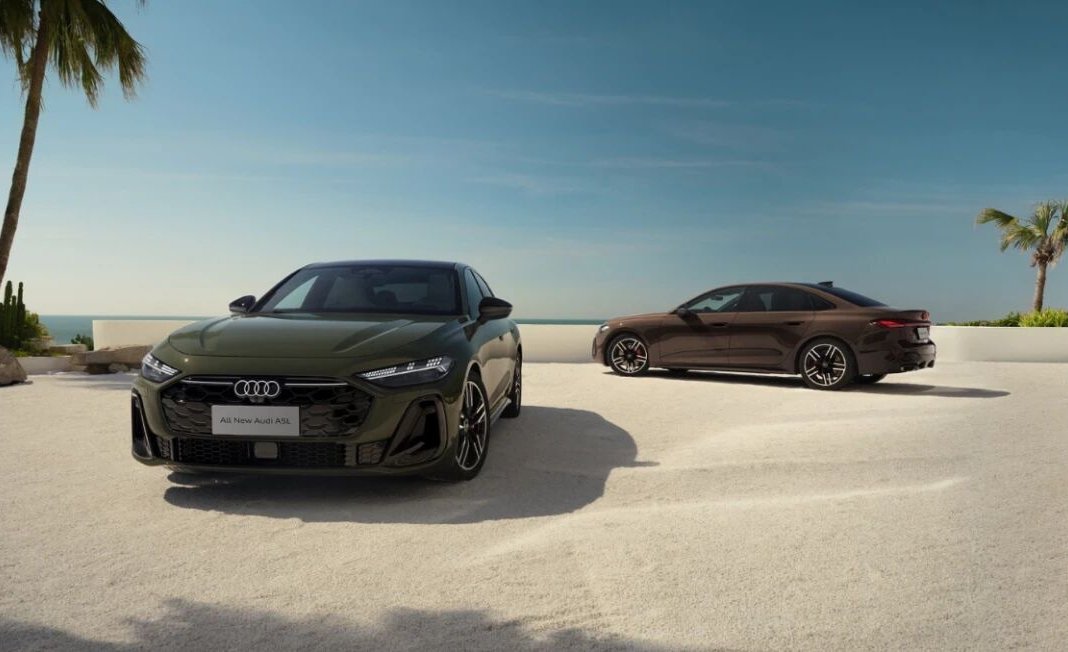
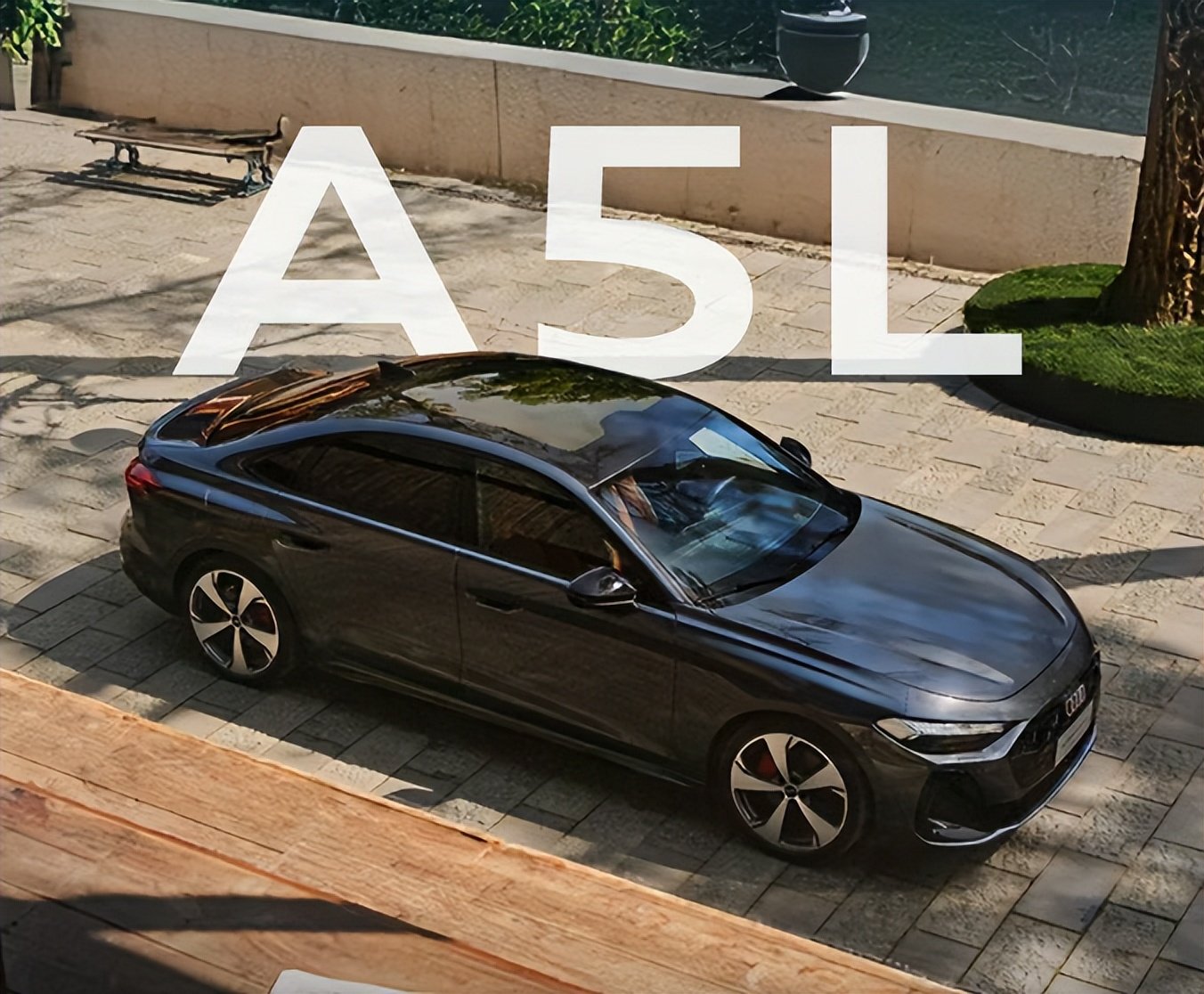
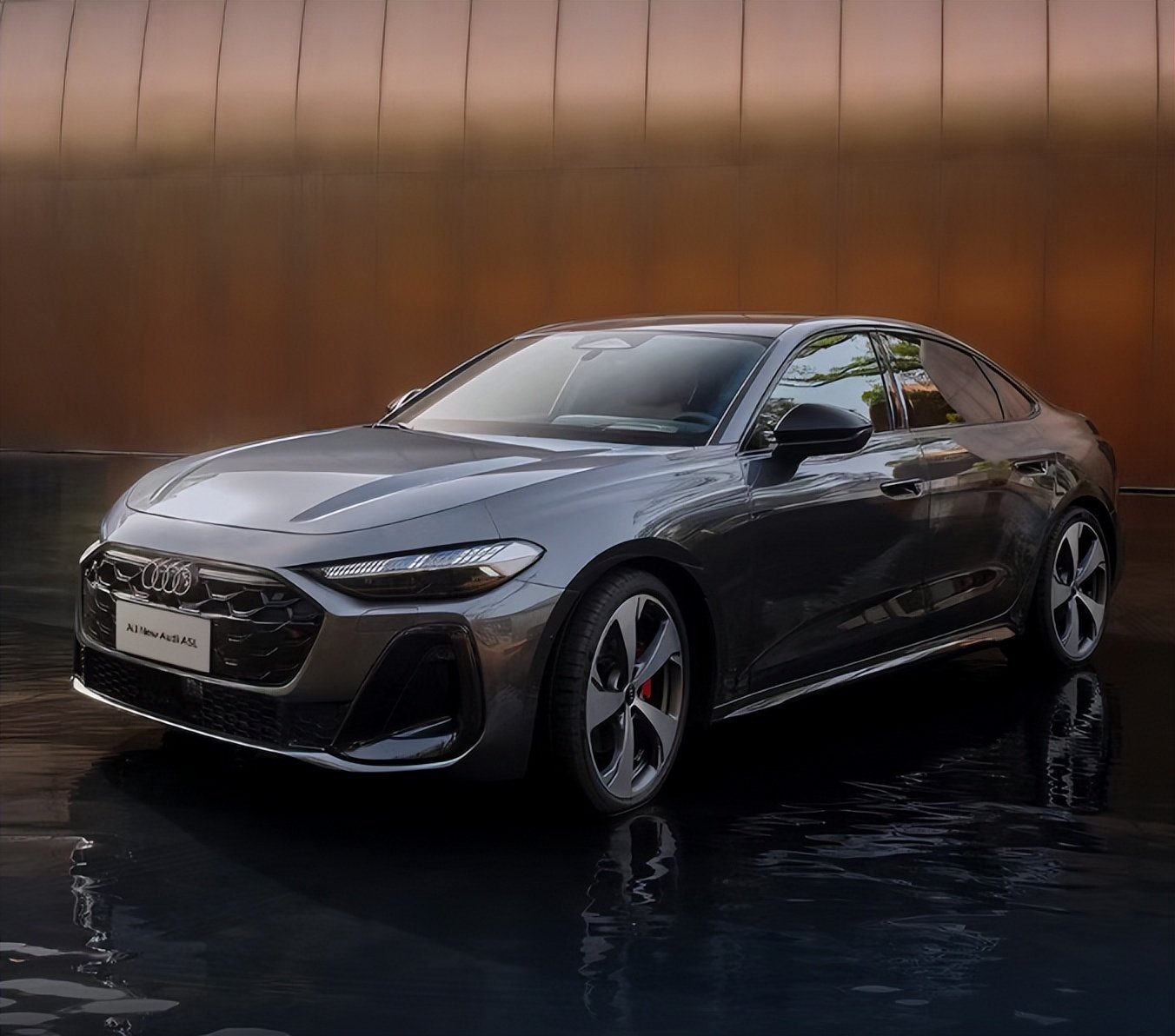
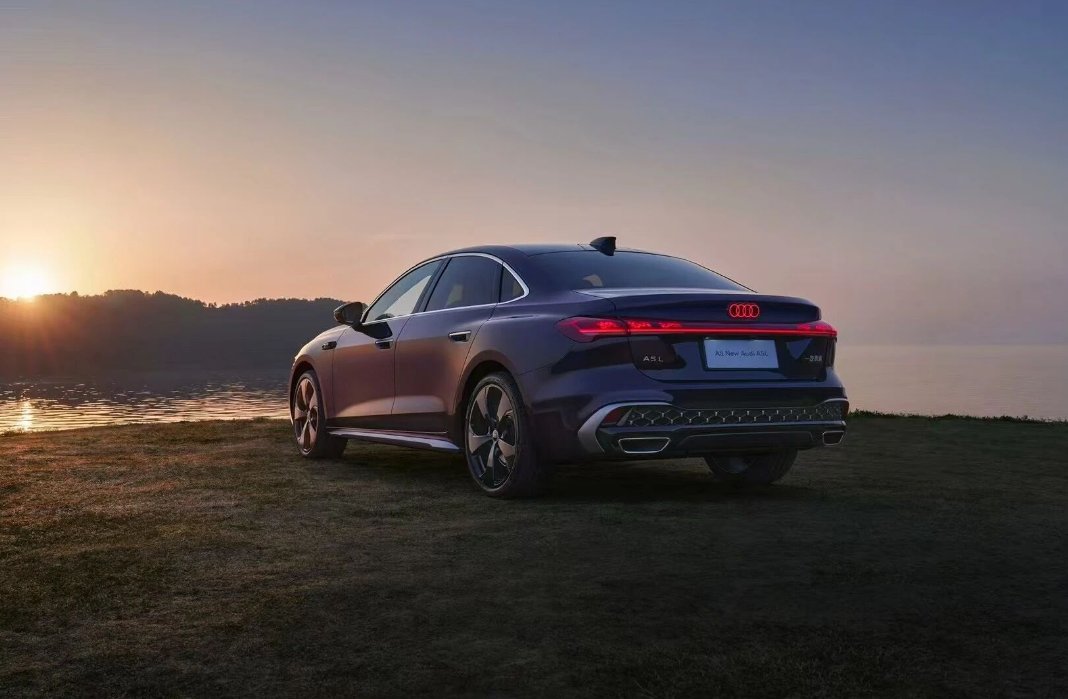
The new car measures 4,908 mm in length, 1,860 mm in width, and 1,448 mm in height, with a wheelbase of 2,969 mm. Through the design combination of a long wheelbase, short overhangs, and large wheels, it presents an elegant and dynamic visual effect. The body color options are quite rich, offering a variety of choices including Qingcheng Green, Danxia Brown, Jasmine White, Tianyun Gray, Feichi Gray, and Aurora Purple. The interior offers three color options: Moonlight Silver, Pearl Beige, and Amber Red.
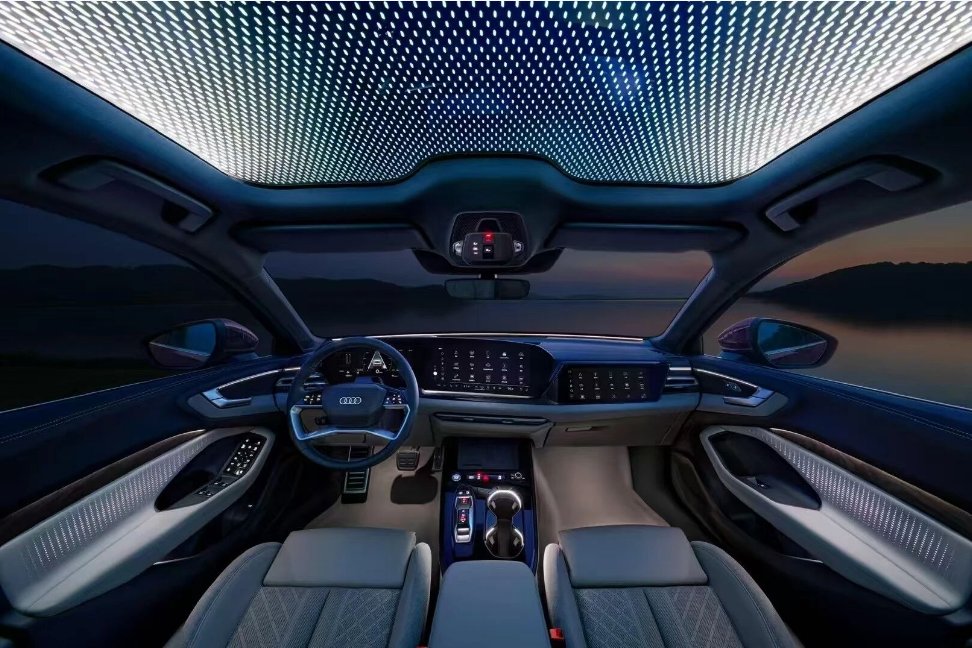
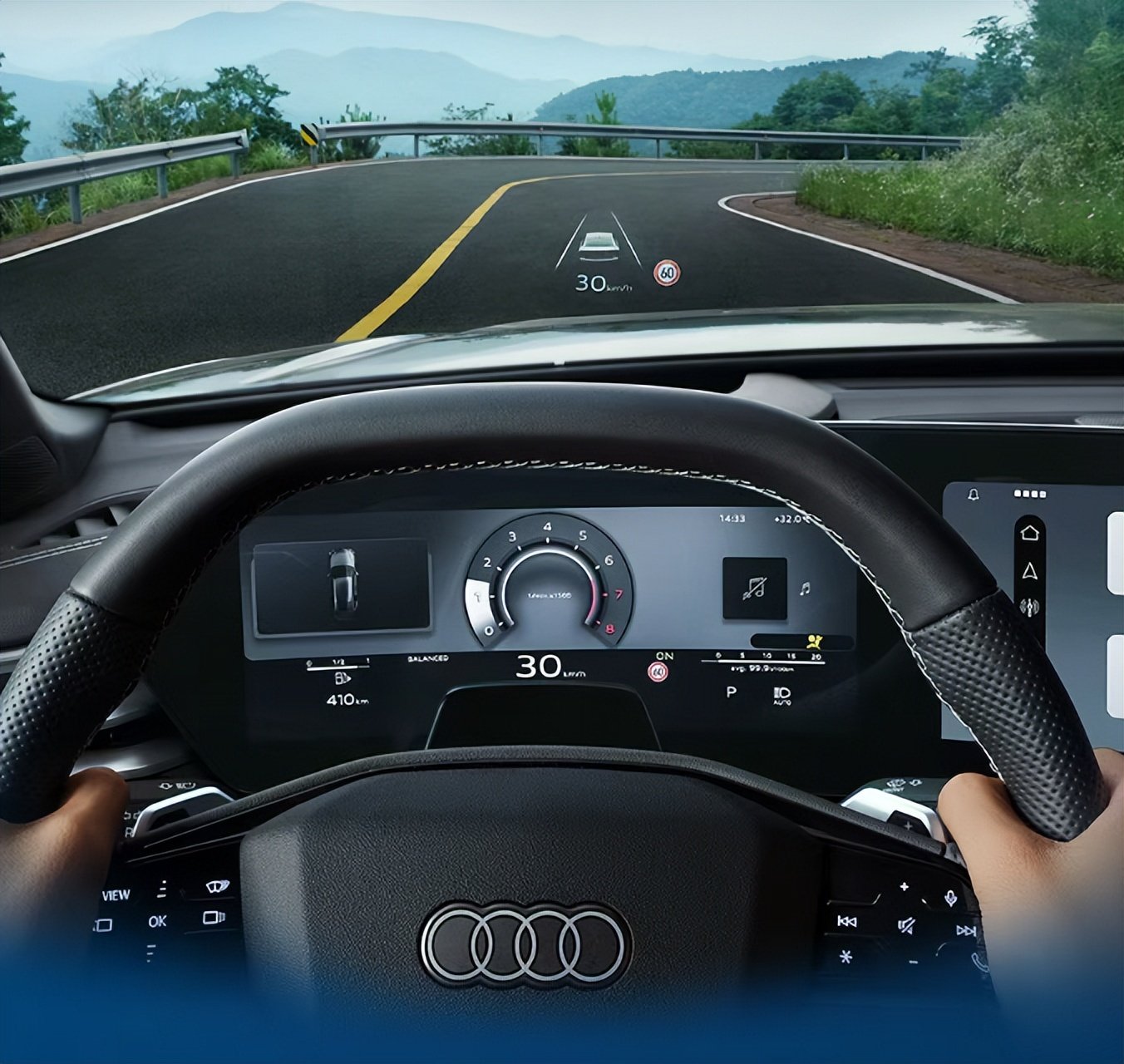
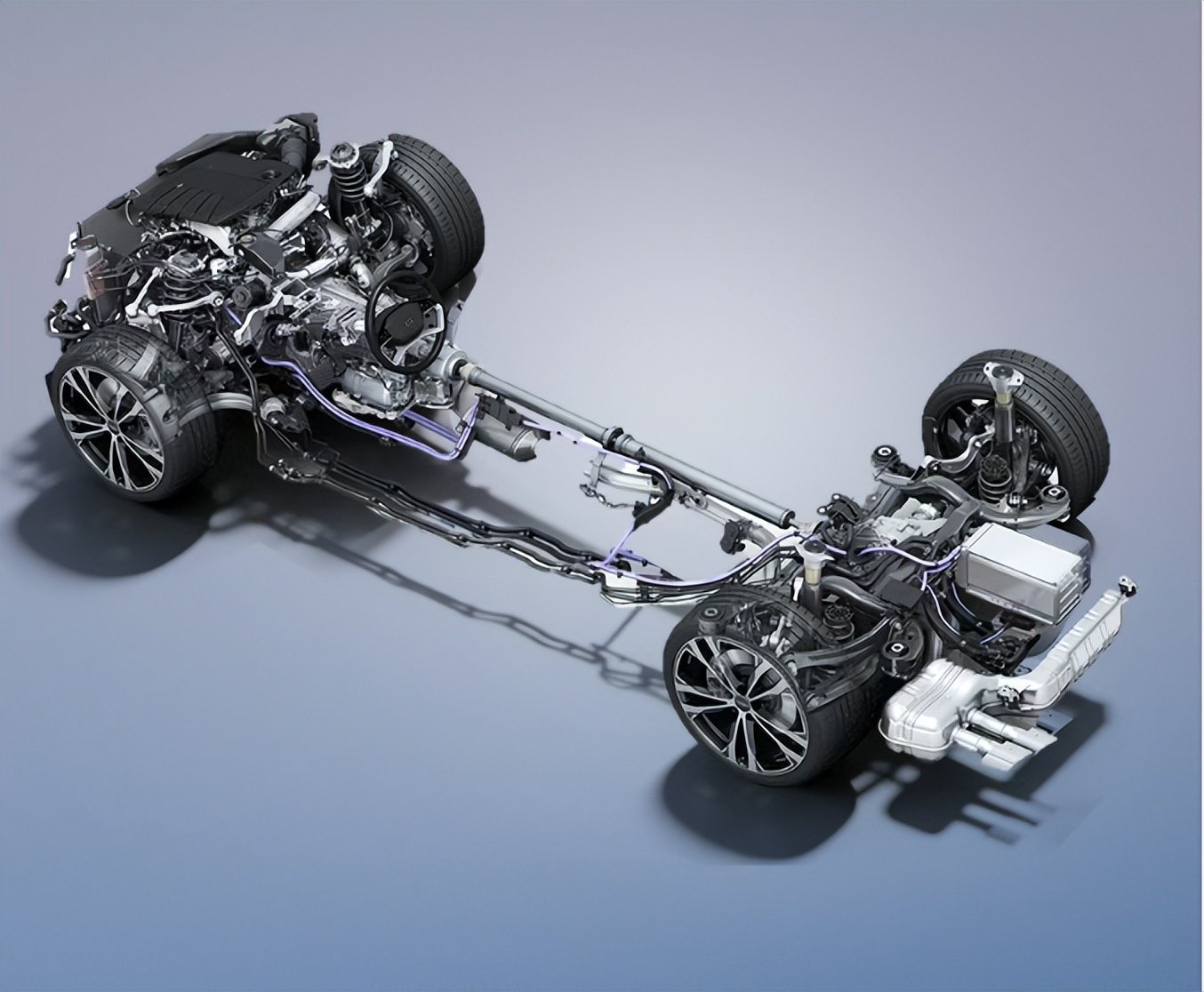
The new car is powered by the fifth-generation EA888 2.0T engine, with a maximum power of 200 kW and a peak torque of 400 N·m, matched to a 7-speed S tronic dual-clutch transmission. The new car adds an HDI dual-motor all-domain mild hybrid system, adopting a P0+P3 dual-motor architecture. With this hybrid system, what may be most noticeable in daily use is likely the low-speed operating conditions. Especially when starting off, following traffic, or parking, the system can intelligently switch to pure electric drive, alleviating to a certain extent the lag of traditional turbocharged engines at low speeds and improving smoothness in stop-and-go traffic. In addition, this system is also equipped with a 1.7 kWh lithium iron phosphate battery and supports an electric air-conditioning compressor, which means that when the engine automatically shuts off, the air-conditioning system can continue to operate on battery power—an experience difficult to achieve in traditional fuel vehicles.
The FAW Audi A5L all-domain mild hybrid quattro adopts a cage-type safety body, with ultra-high-strength steel accounting for 42%, and provides 9 airbags throughout the vehicle. The door handles adopt a "one-pull, two-function" electromechanical dual-safety design; when electronic control fails, mechanical unlocking can be achieved by pulling twice.


