We have to admit that in 2026, the traffic code in the auto world is still "Huawei content," and there's no second place!
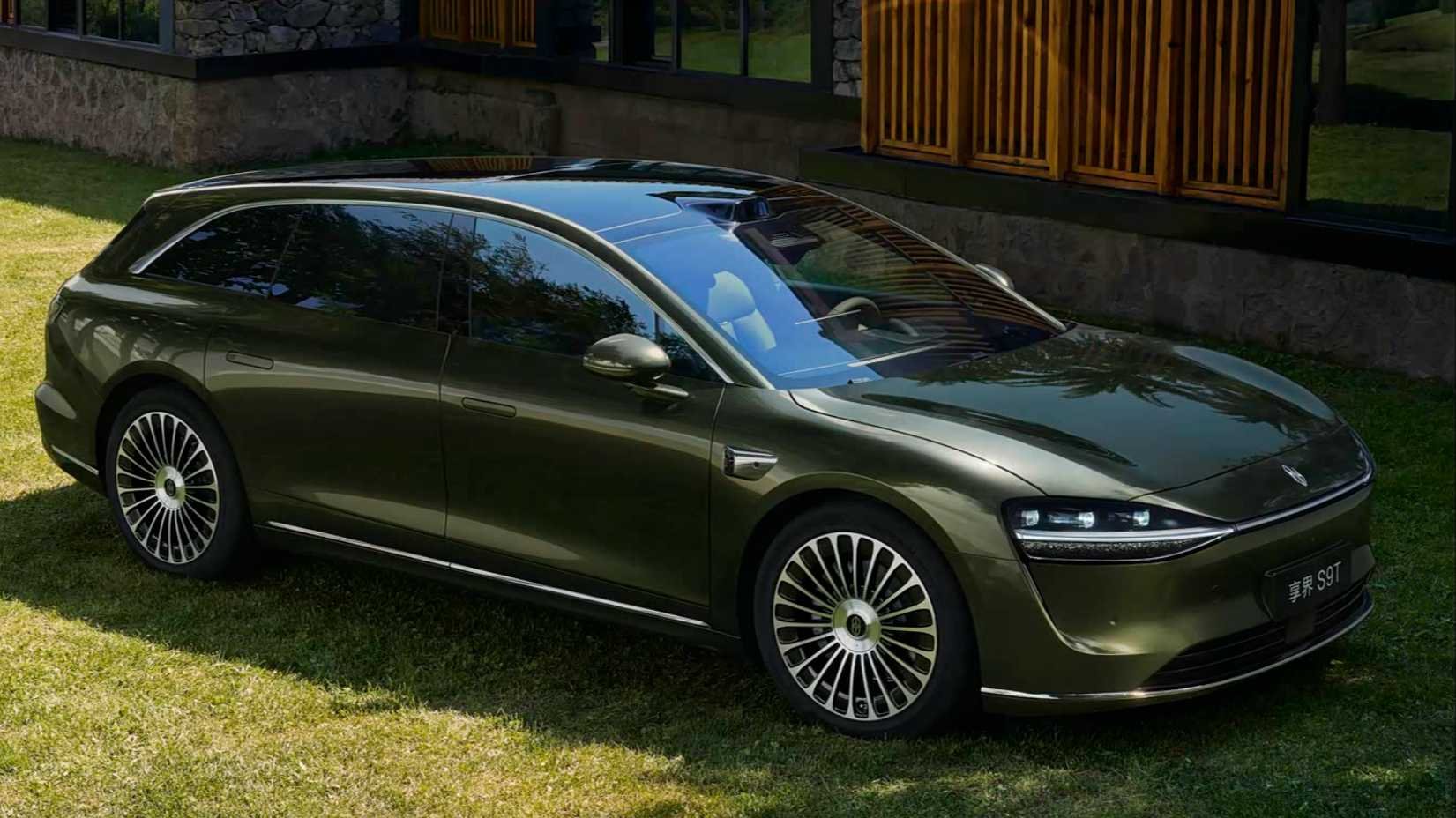
Hey! Recently I've noticed quite a few friends around me keeping their eyes on that shooting brake sedan from HIMA, the Stelato S9T.
A 5.16-meter body length paired with a sexy shooting brake rear end, plus Huawei Qiankun ADS 4 and the Tuling chassis—just looking at the spec sheet is enough to get anyone excited.
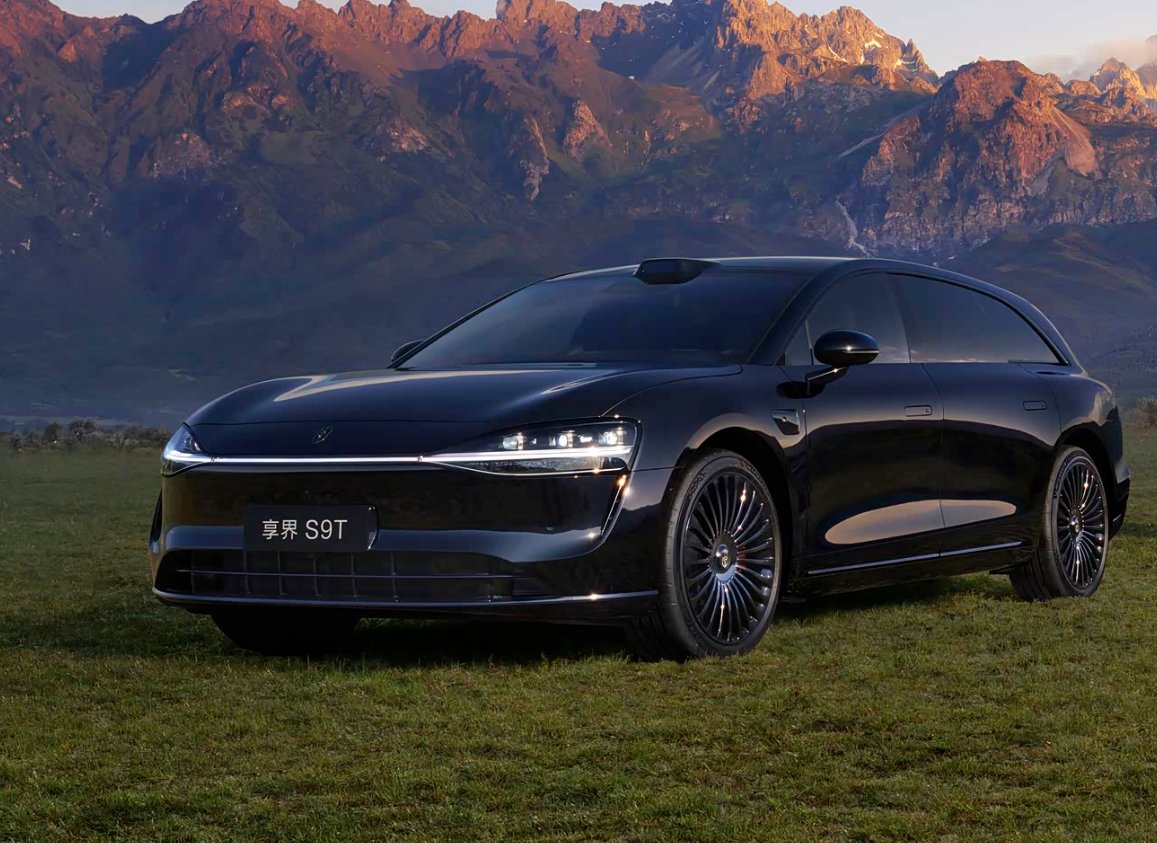
But here's the trouble: this car comes in 12 versions across the lineup, with extended-range and pure electric mixed together, Max and Ultra squeezing from above and below, and LiDAR split between 192-line and 896-line, with prices stretching from 309,800 to 379,800 yuan.
At this point, I figure most potential buyers interested in this car will be scratching their heads, not knowing how to choose?
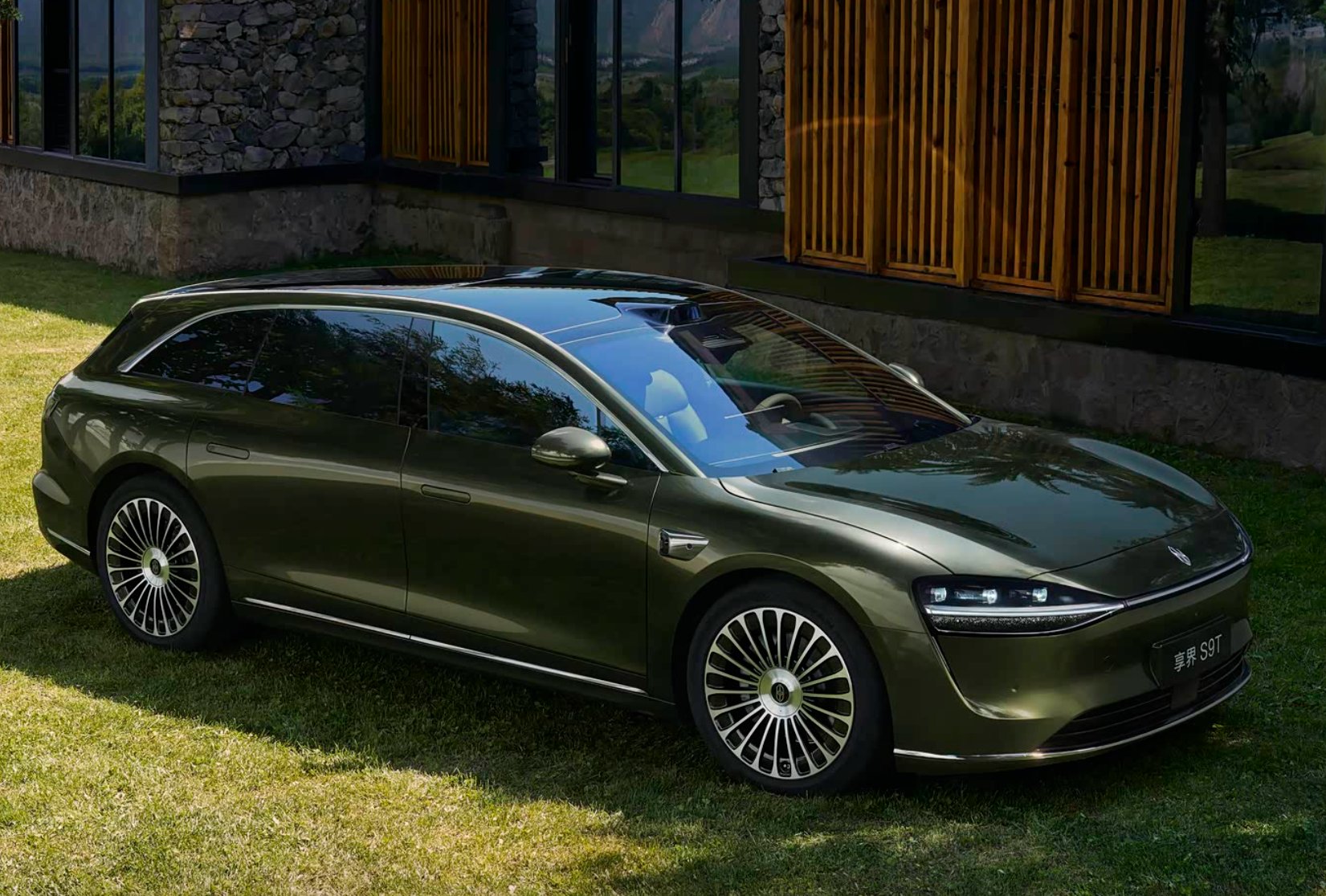
So here's the question: how do you pick the one that suits you better without paying a stupid tax? Let's set aside the specs for now and talk about the logic of spending money.
Before buying this car, ask yourself honestly: what are you using it for? If you have a charger at home and spend 90% of your time stuck in city traffic, then honestly, just go ahead and get the pure electric version with your eyes closed.
The standard 100 kWh large battery delivers a solid 801 km of range, and with 800V fast charging, by the time you finish using the restroom at a service area, most of the charge is back.
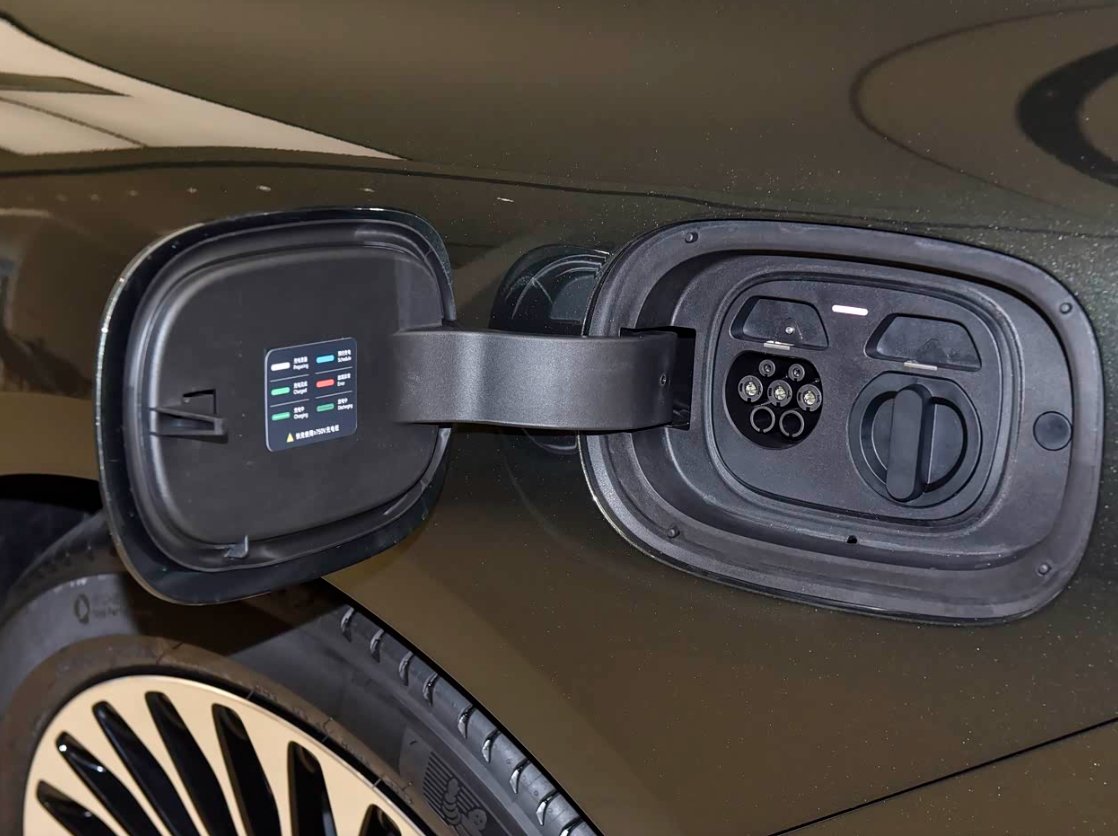
Taking it a step further, if you're always heading into the mountains on weekends, or need to drive across provinces back to your hometown during Chinese New Year, the extended-range version is naturally your peace of mind on the road.
The 53.4 kWh large battery gives 354 km of pure electric range, so you can drive it like an EV day to day. On the highway, the combined 1,305 km range lets you completely ignore the charging queue—that kind of confidence is something no bigger battery can give you.
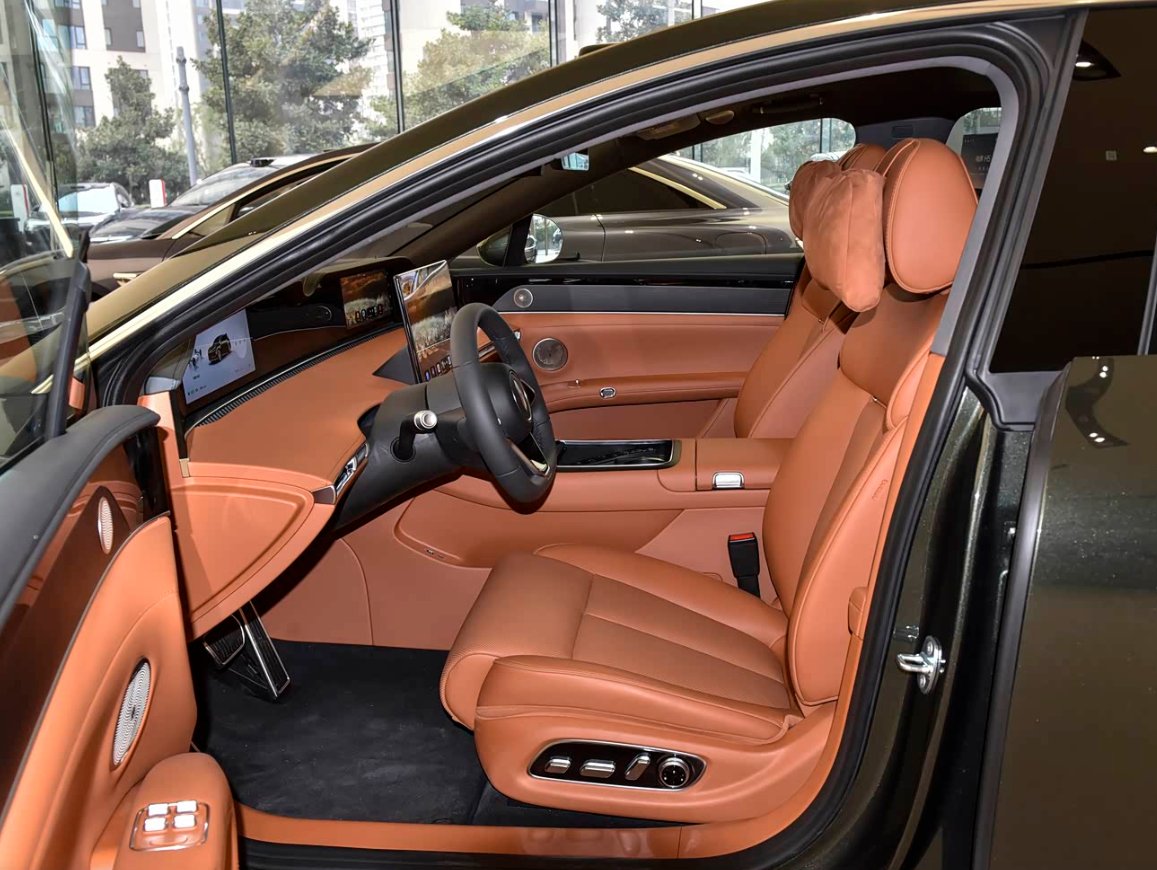
Settle on the powertrain first, then look at the trim! Don't be fooled by the Max version's starting price of 309,800 yuan—this is a genuine gatekeeper.
Air suspension and CDC are standard across the board, and the Tuling chassis foundation hasn't been cut down. Paired with the 192-line LiDAR, using ADS 4 for car-following and obstacle avoidance on daily ring roads feels as smooth as a seasoned driver.
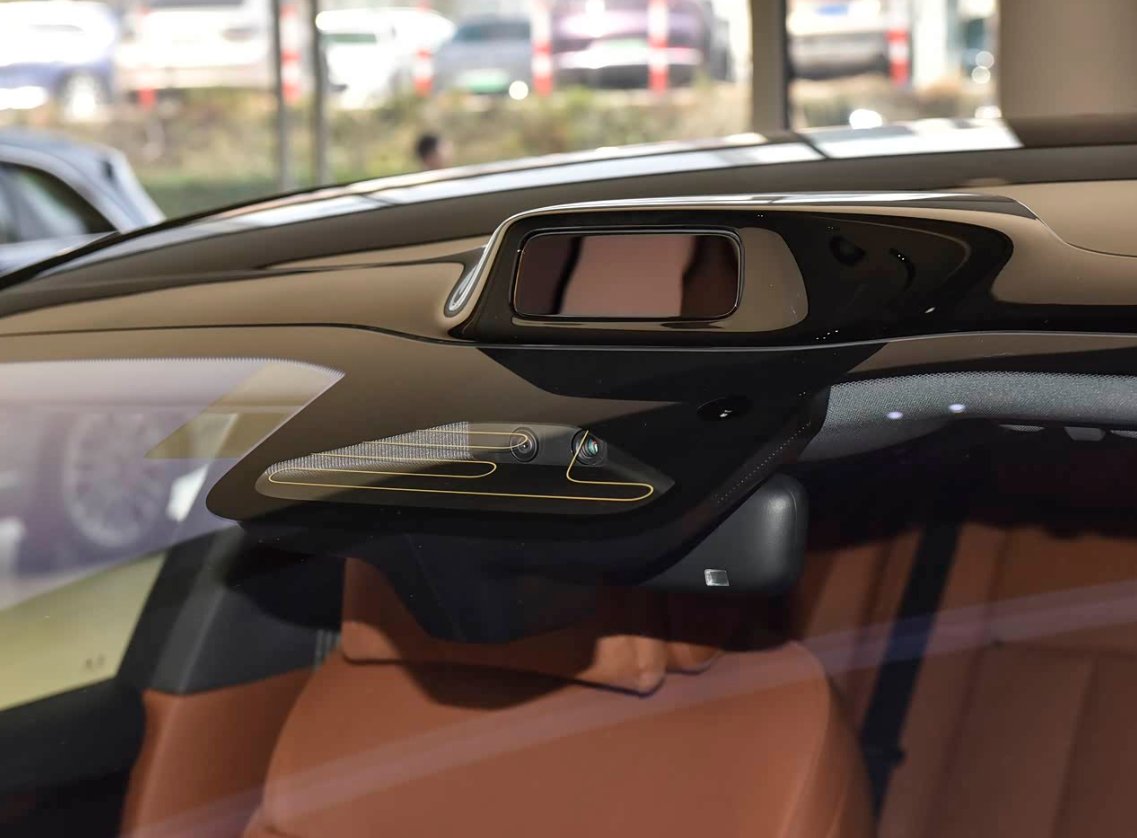
Think about it—who doesn't have a bit of a tech complex when buying this car? Spending a few tens of thousands more on the Ultra version is buying emotional value.
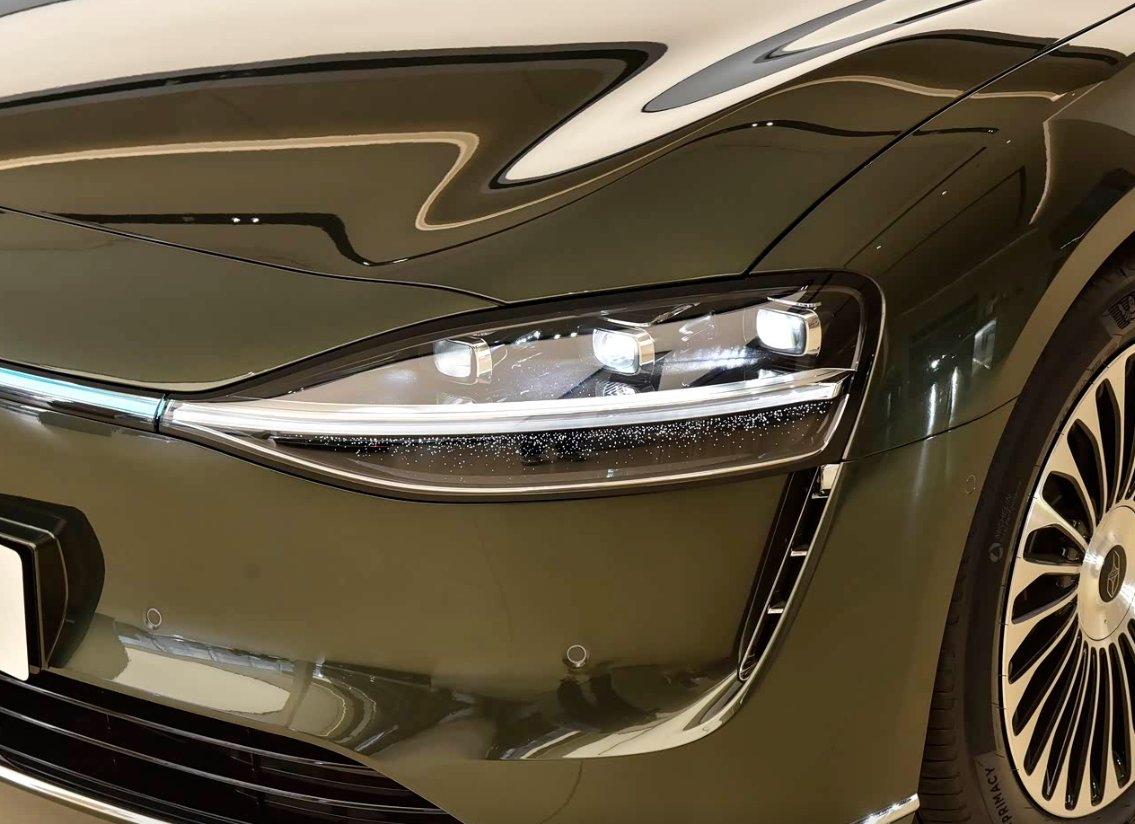
The headlights with pixel-style projection can cast a wide light carpet on the ground at night. Combined with smart electric doors and the 896-line LiDAR, this is a fully loaded tech fortress.
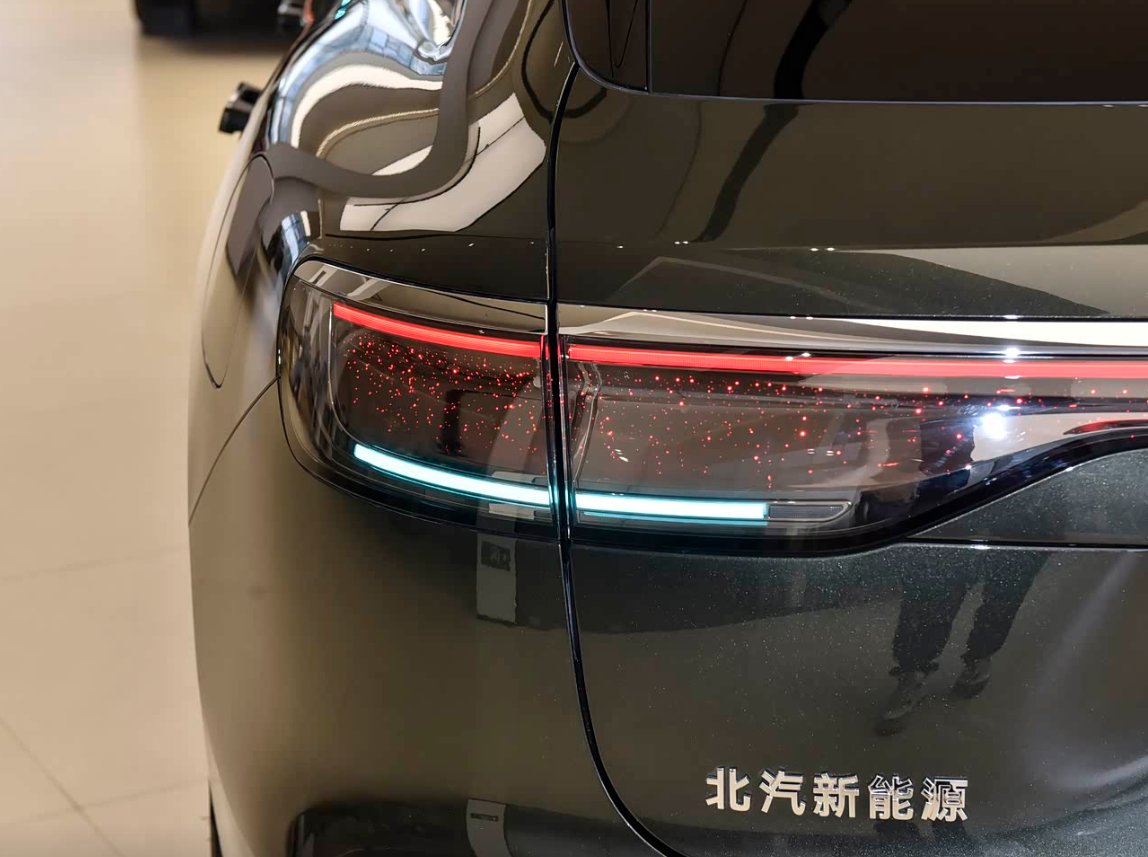
Honestly, in heavy rain or dense fog, the 896-line's insane perception precision is a lifesaver.
Let me just give you two copy-the-homework solutions. For city commuting, the top pick is the 329,800 yuan pure electric Max rear-wheel-drive version—0 to 100 in 5.92 seconds is more than enough to humble anyone.
If you want all-around capability, go with the extended-range Max version and option the large battery—fold down the rear seats on weekends and you get a 2.2-meter bed, and with V2L power you can fire up a camping hot pot anytime.
To be honest, this car has its shortcomings too.
The shooting brake styling is handsome, sure, but the trunk opening height is lower than an SUV's, making it a pain to load bulky items. And there's no CarPlay support—heavy Apple users will find adapting to HarmonyOS Super Desktop a bit awkward at first.
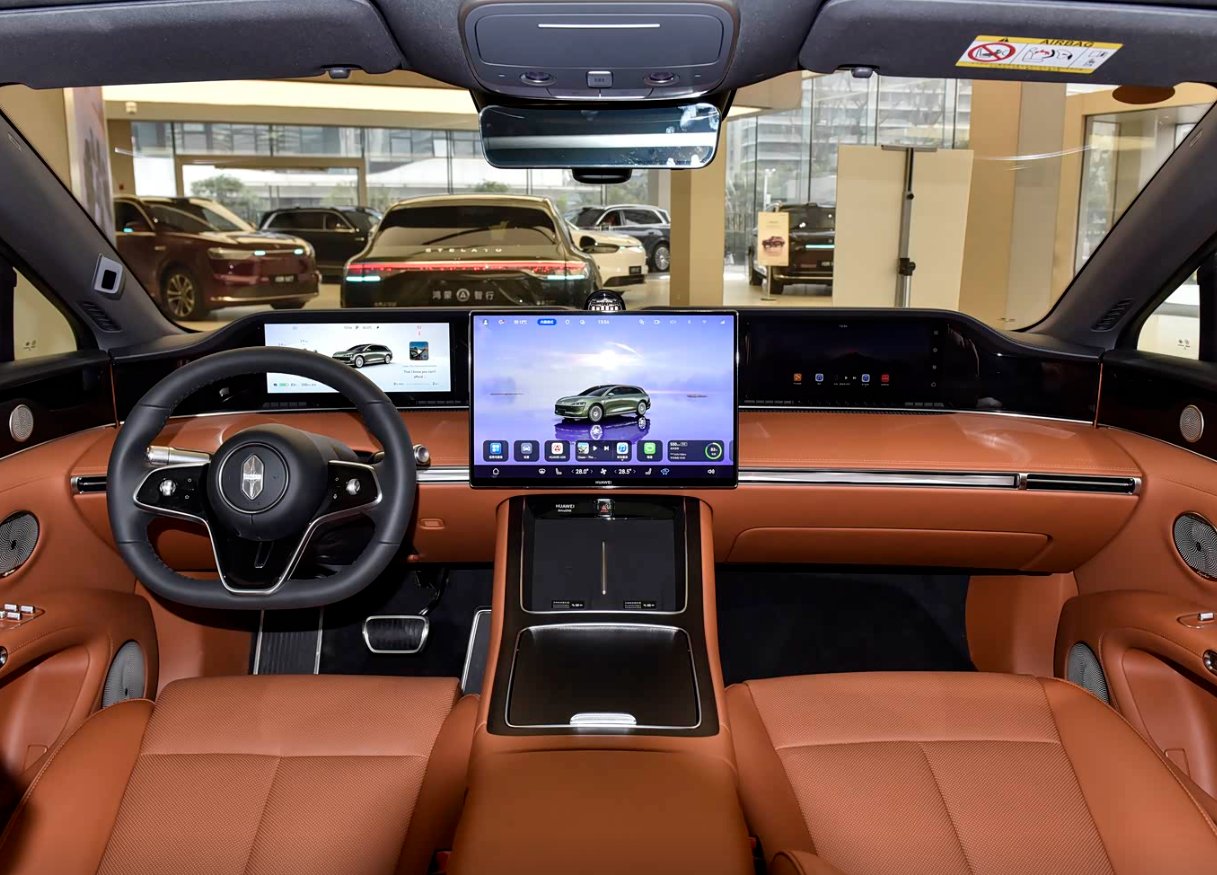
By April 2026, the terminal market picture is pretty clear. After visiting around, some regions offer about 10,000 yuan in trade-in subsidies and limited-time discounts, and the pure electric Max version lands at just over 320,000 yuan.
Monthly sales of five to six thousand units prove that people recognize this logic.
If you value the smart driving experience, you can't avoid this car; if you just want a traditional commuter tool, spending 300,000+ on a legacy joint-venture brand is also a valid path.


