Oh wow! Great news—Honda has finally deigned to throw away that round, soap-bar shape.
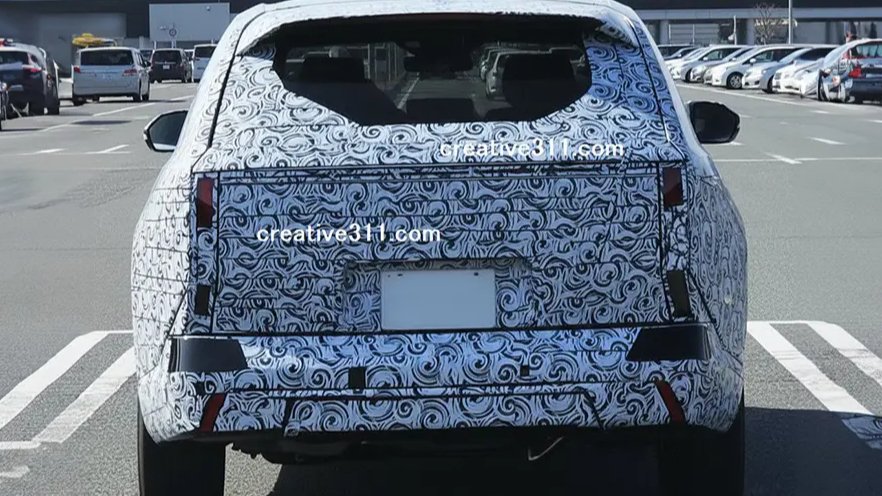
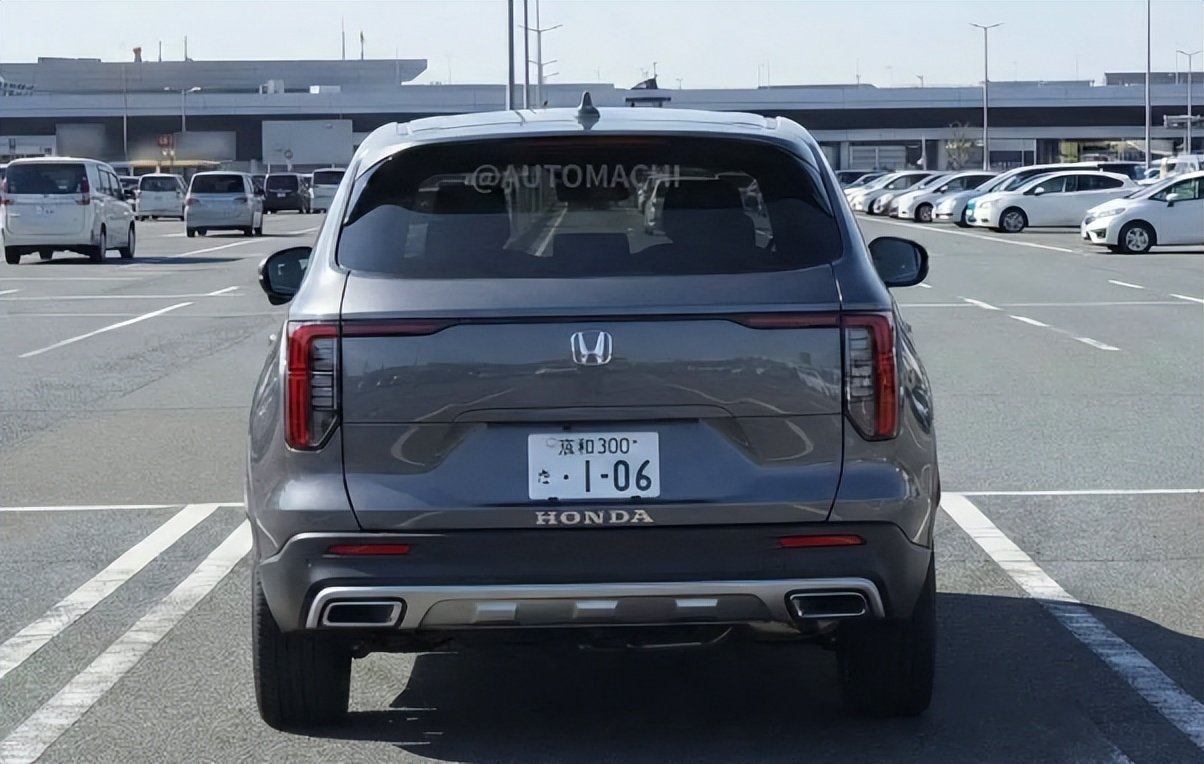
This time the all-new Vezel has been exposed, which is the next-generation model of the domestic Binzhi or XR-V. The spy shots only show the rear, but this one rear end alone is enough to wake Honda fans from their sleep.
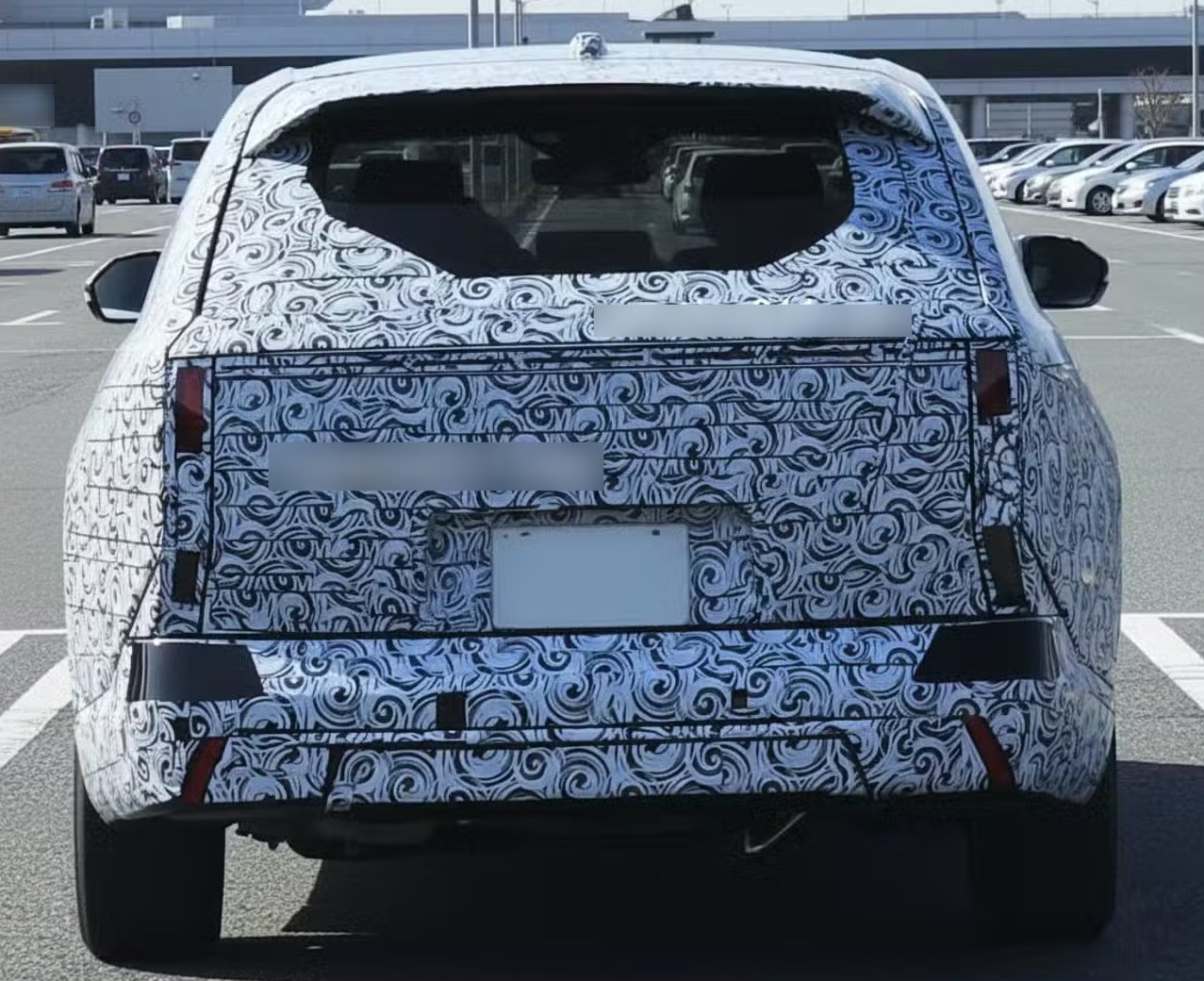
Honda design in the past always had a petty, small-minded feel, as if it were afraid the body lines might be too crisp. But this time is different. The test car is wrapped up tightly, yet that boxy outline simply cannot be hidden.
Some people say this rear looks like a Range Rover. Don't laugh—for today's Honda, that is the highest possible praise.
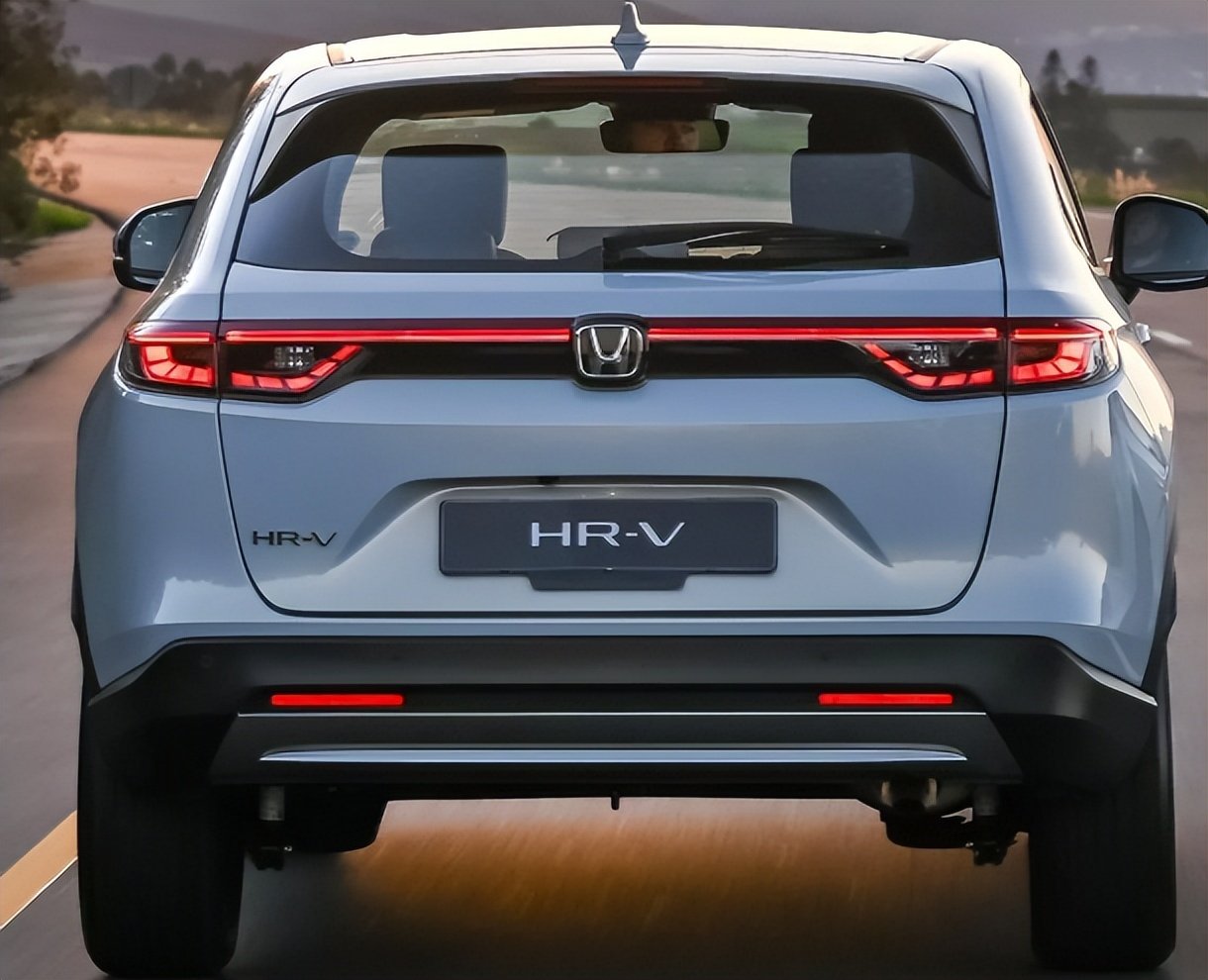
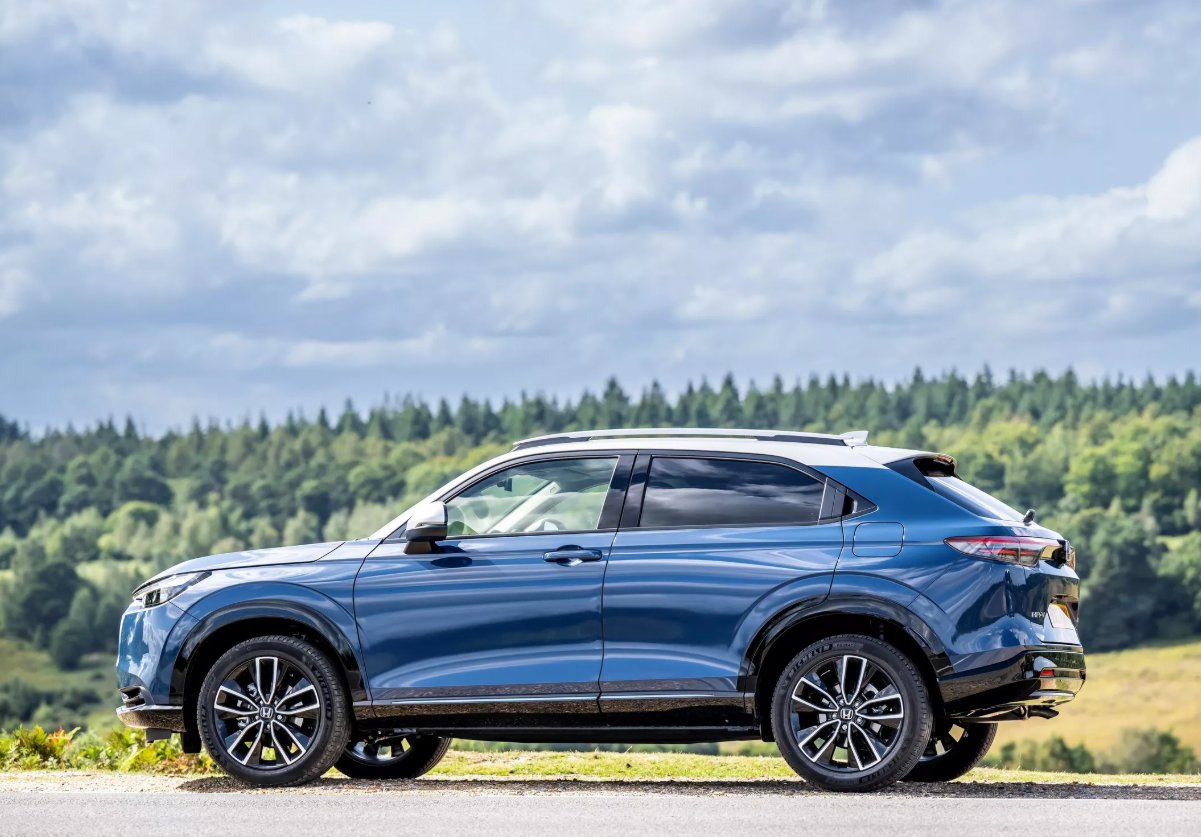
The current Binzhi's fastback shape sacrificed rear headroom for so-called sportiness, and the trunk was not particularly large either.
The new car has been cut directly into a box shape, with sharp edges and corners—that is the right path.
Look at today's car market: boxy designs are the traffic code. Haval Dargo, Jetour Traveller—even BYD is doing square, upright styling.
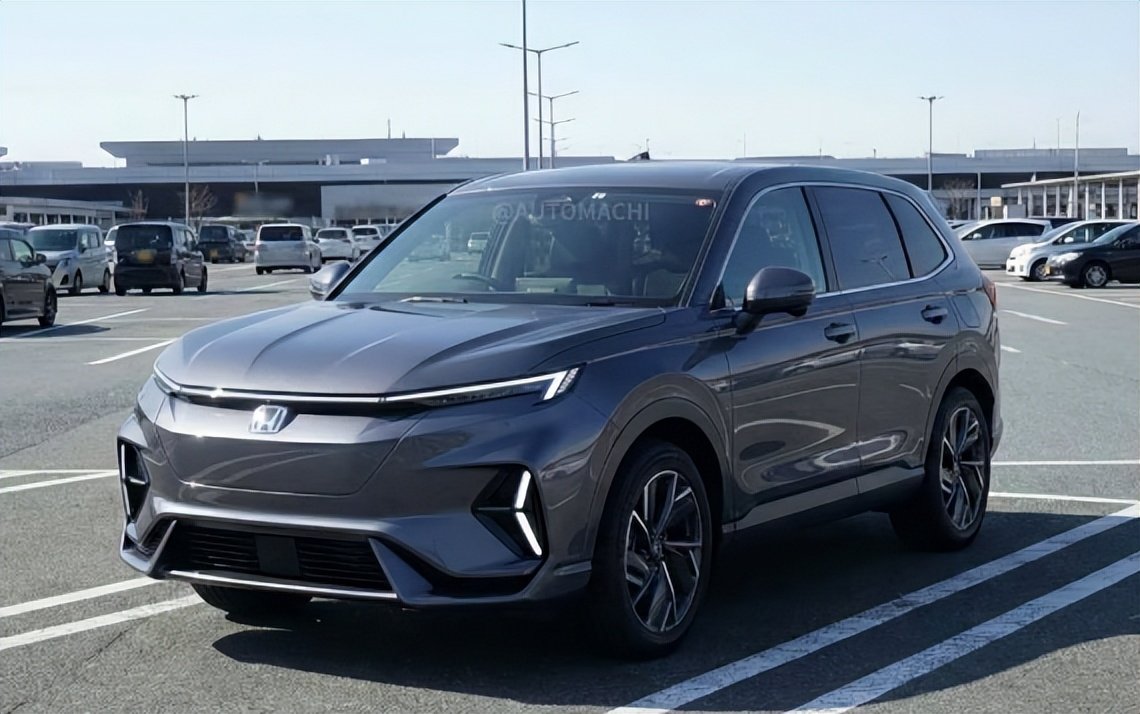
This time Honda has finally caught the rhythm and is no longer fixated on that streamlined design language it has used for more than a decade.
The taillights will most likely be a full-width light bar, with door-shaped bends at both ends. A few years ago this design might still have seemed fresh, but now it is everywhere.
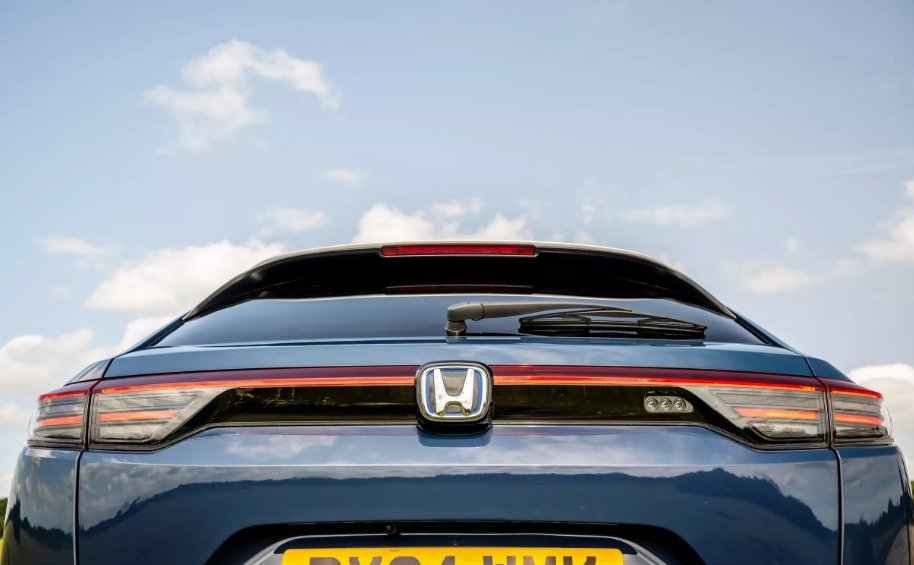
Still, on a Honda, being able to change out those never-changing halogen bulbs or pathetically small LED strips already counts as burning incense in gratitude.
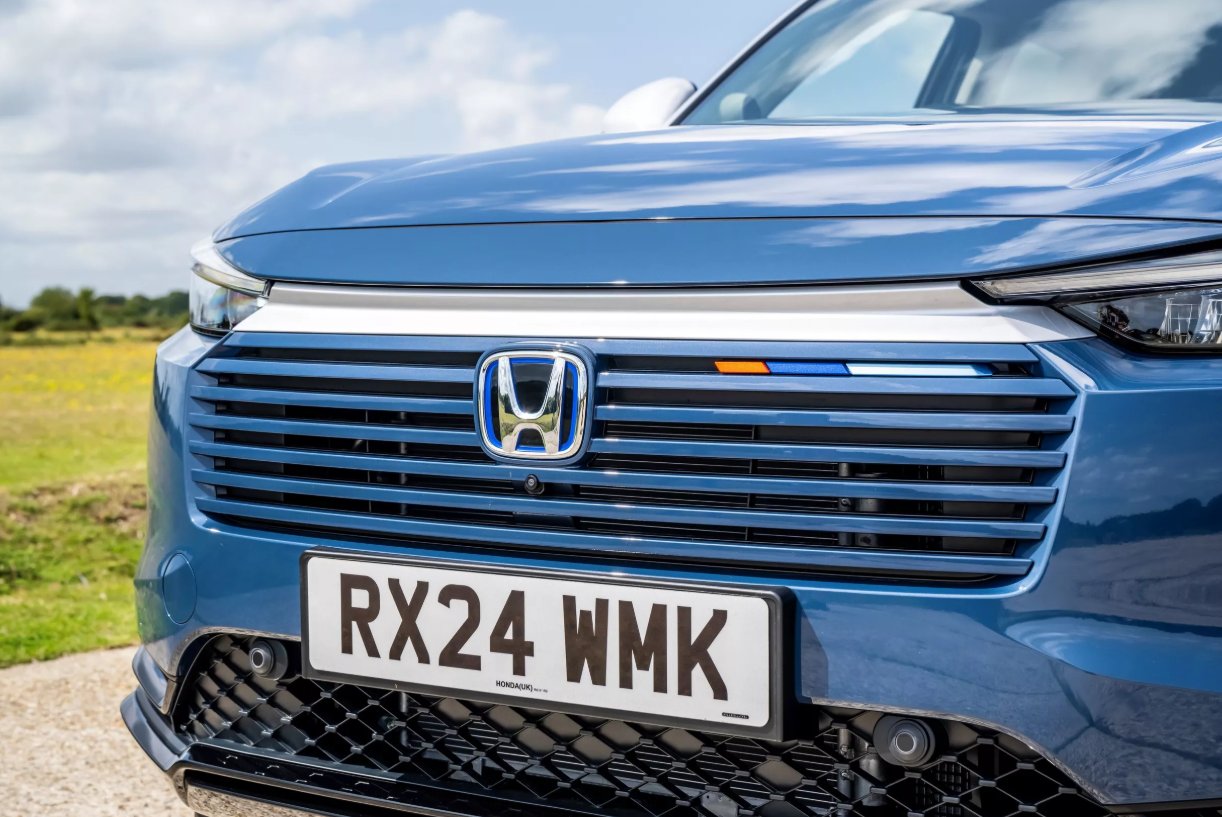
What interests me most is the exhaust pipe under the rear.
It hangs there blatantly, as if giving the middle finger to those radical EV advocates. Honda has not gone fully electric, and that is an extremely wise decision.
Look at today's pure EV market—how are Honda's e:N series selling? One word: disastrous. Nobody is buying them. Honda's soul has never been in electric motors, but in that complex mechanical structure.
The new car will carry the latest dual-motor hybrid system. Note! Dual motor.
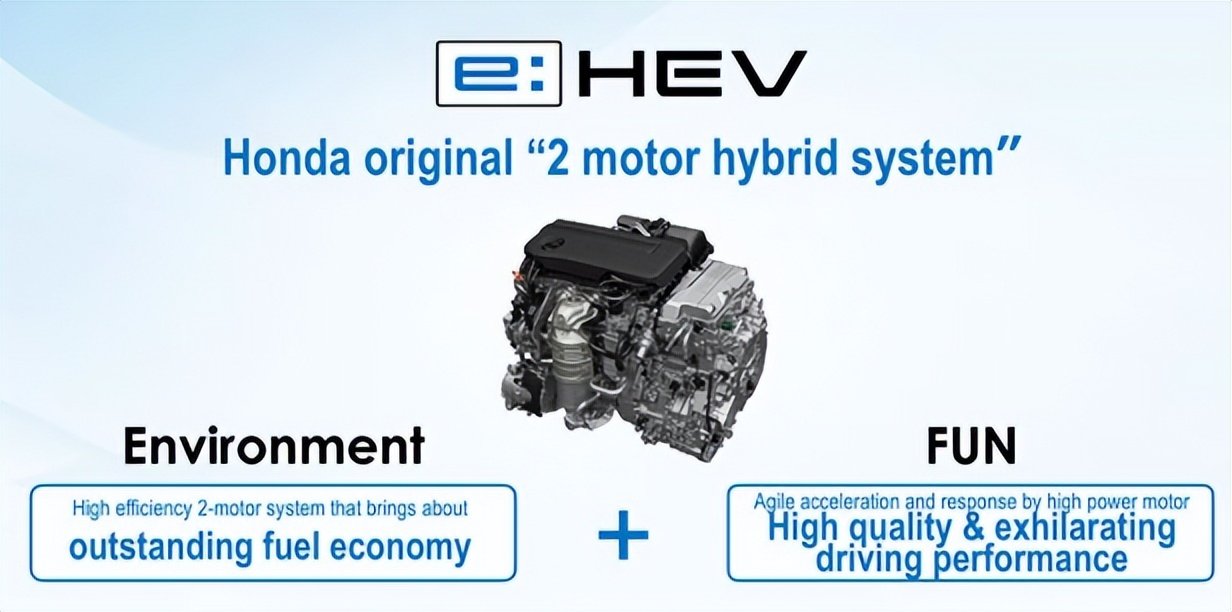
Honda's i-MMD hybrid has always had a good reputation—fuel-efficient and smooth.
But previous versions had one big flaw: during hard acceleration the engine howled, roaring without really pulling, and that rubber-band effect could make a person break into a sweat.
This time it is said they have added a simulated traditional gearshift function. That is exactly right.
What drivers need is a sense of communication, not the lifeless smoothness of a CVT. Press the accelerator, watch the revs climb, feel the shift shock—that is what driving is.
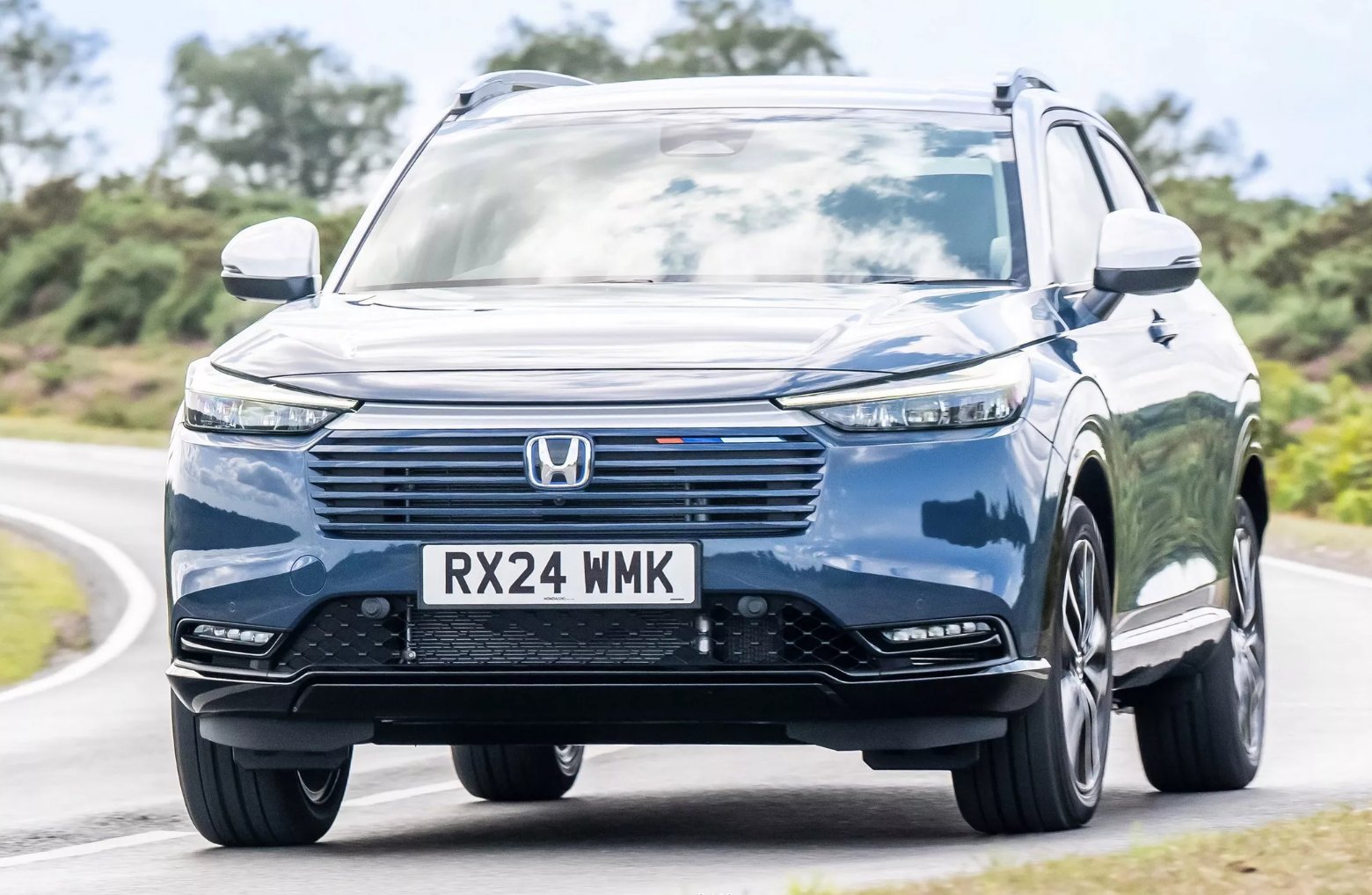
If they can really tune this simulated shifting to have the clear rhythm of an AT gearbox, then in driving fun this car could leave a whole pack of domestic plug-in hybrids streets behind.
Officially, the new car is claimed to be lighter.
That is something to watch out for. Honda's so-called weight reduction is sometimes achieved in extremely sneaky ways. For example, by cutting soundproofing material, or by thinning the sheet metal.
The current Binzhi's sound insulation is already outrageously bad—on the highway it is no different from driving a convertible. If the new car, in order to save weight, pulls out another couple pieces of the already scarce soundproofing cotton, then this car will only be fit for city errands, and highway driving will be torture.
I hope this lighter weight comes from upgraded body-structure materials, with more high-strength steel or aluminum alloy, rather than simple corner-cutting.
There is also news that chills my heart: it is expected to debut in 2027.
Does Honda have some misunderstanding about time? It is 2026 now, and it will not debut until another year later. By the time domestic production launches, the daylily will have gone completely cold.
One more detail worth mentioning: this spy shot was taken during testing in Japan.
According to Honda's usual practice, Japan gets it first, then Europe and America, and only then China. Or the China-only version gets changed beyond recognition.
This time it would be best to synchronize globally and stop playing favorites. Today's Chinese consumers are very shrewd—a global model is a global model, so stop trying to fool people with special-supply cars.