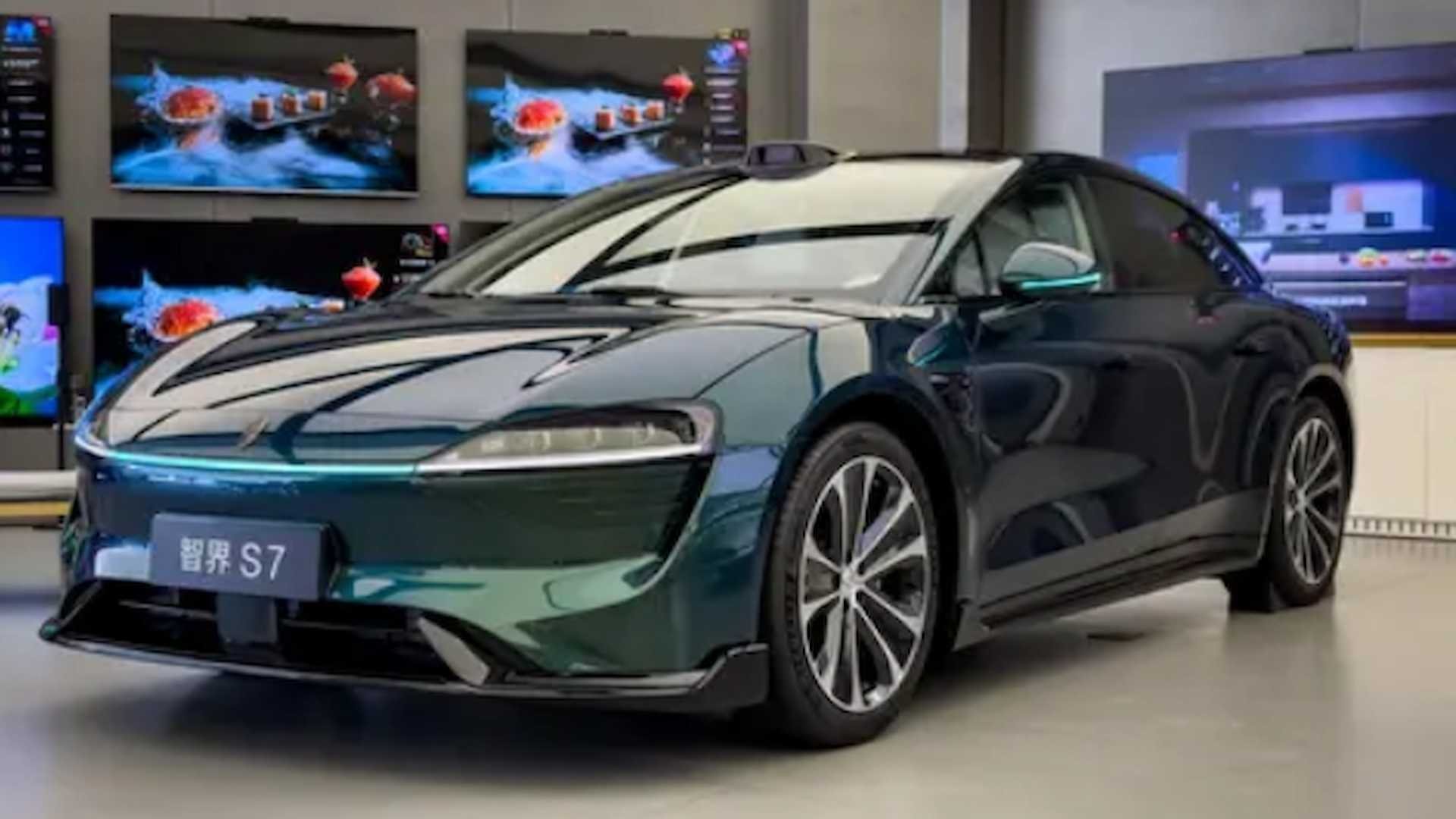
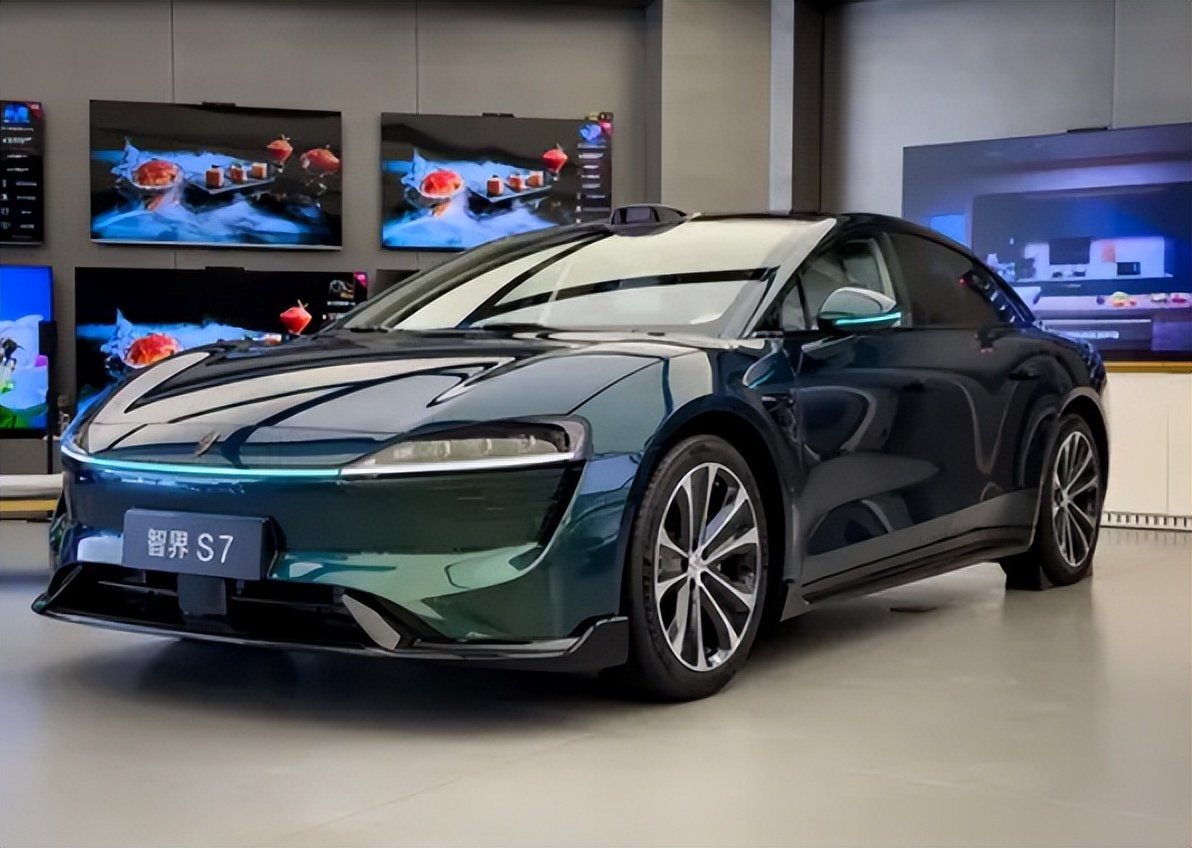
Recently, the 2026 Zhijie S7 Max version was spotted in the flesh, and this time the manufacturer made a big move—giving the battery a complete overhaul!
First, the key point! Mixed battery setup!
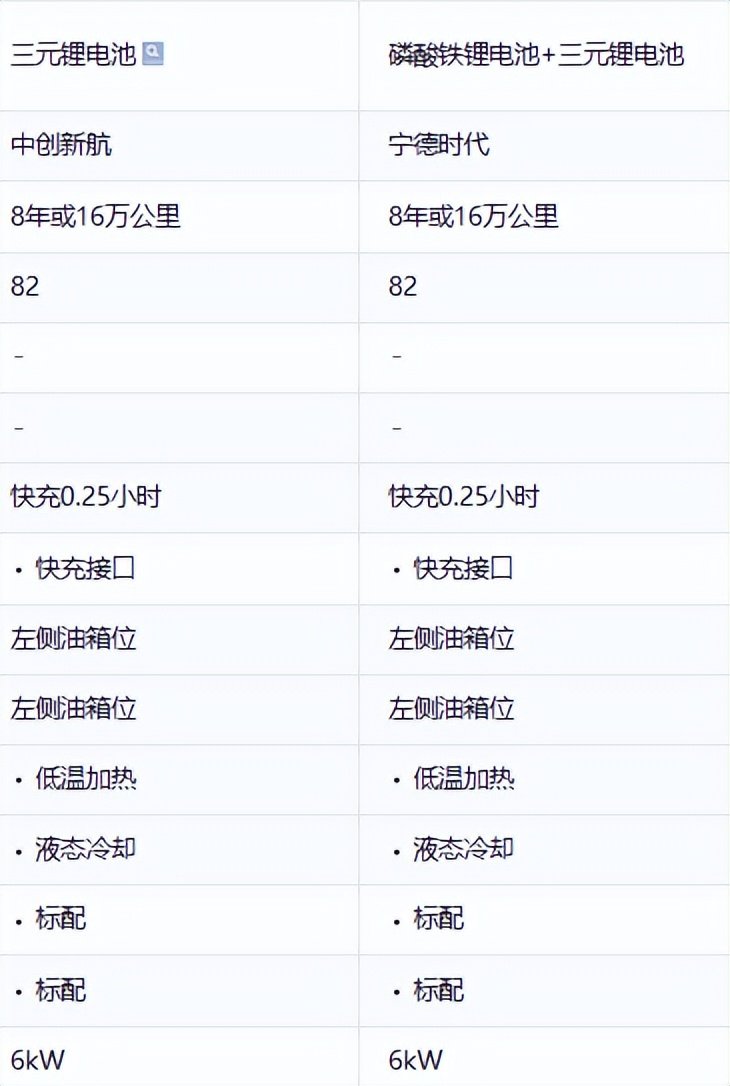
Previously, when we bought the S7 Max, it was uniformly equipped with ternary lithium batteries. Now, the 2026 model has introduced a "ternary lithium + lithium iron phosphate" mixed version.
The capacity is still 82 kWh, and the range remains stable at CLTC 705 kilometers unchanged.
I figure many car enthusiasts might not be able to sit still the moment they hear the words "lithium iron phosphate," asking Xiaoba, have I been quietly downgraded?
To be fair, this needs to be viewed from two sides. This mixed battery setup (commonly known in the industry as AB battery) is actually quite thoughtful, combining the low-temperature resistance of ternary lithium with the safety and low cost of lithium iron phosphate.
Although regarding the cell brand, I see the materials sometimes say CATL, sometimes CALB pops up—but that's not important. What matters is that while keeping the range unchanged, it most likely brings the cost down.
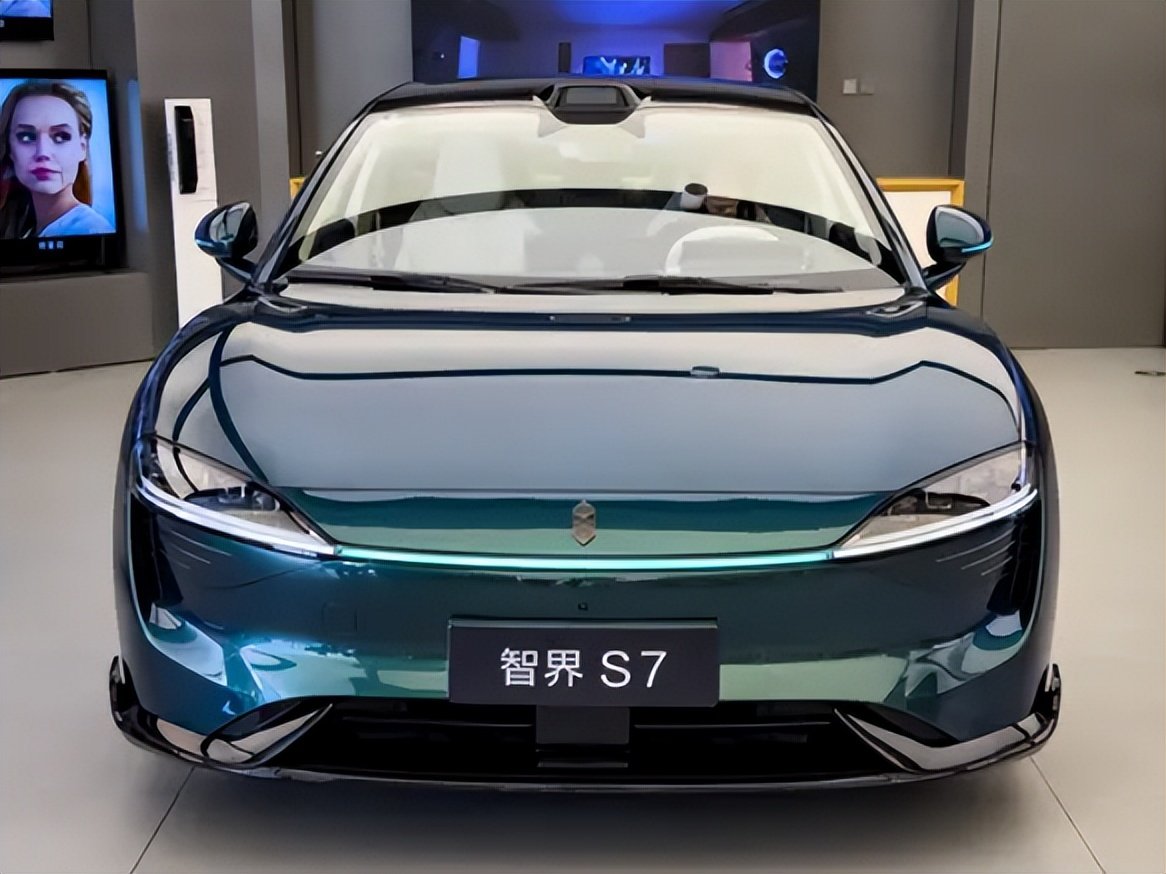
The exterior and interior haven't changed much.
The car still looks the same, with its One-Box design—those who love it find it sci-fi, those who don't think it looks like a mouse.
With a length of 4971mm and a wheelbase of 2950mm, the space is unquestionably good.
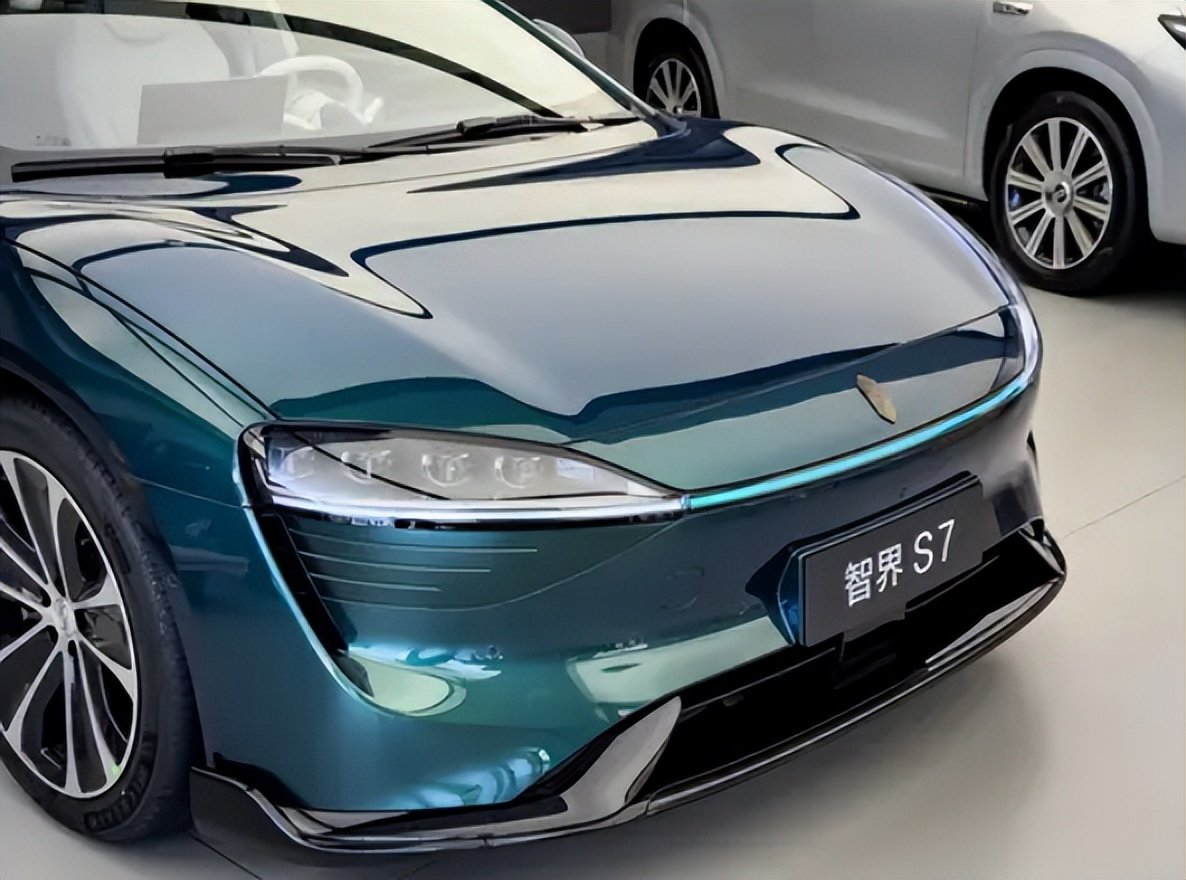
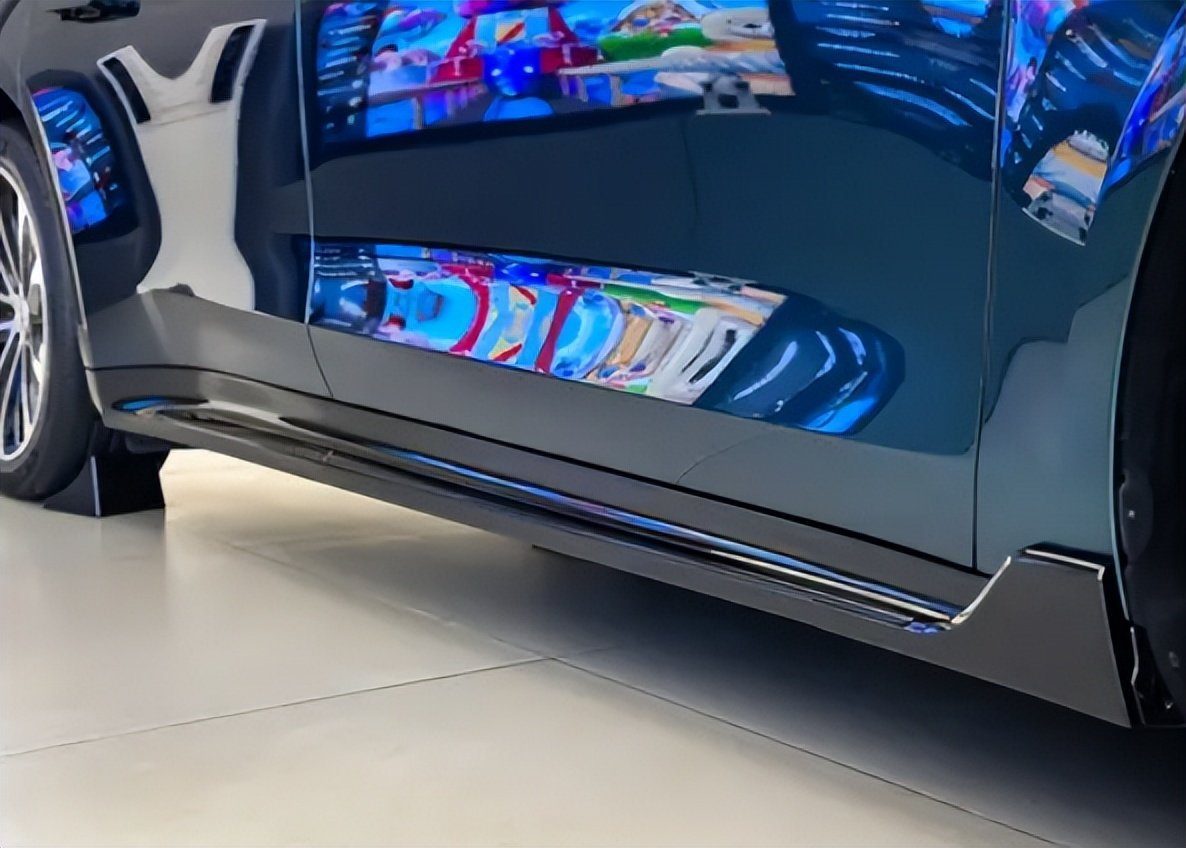
The large intake at the front face has been given a blacked-out treatment, making it look a bit more aggressive than the old version.
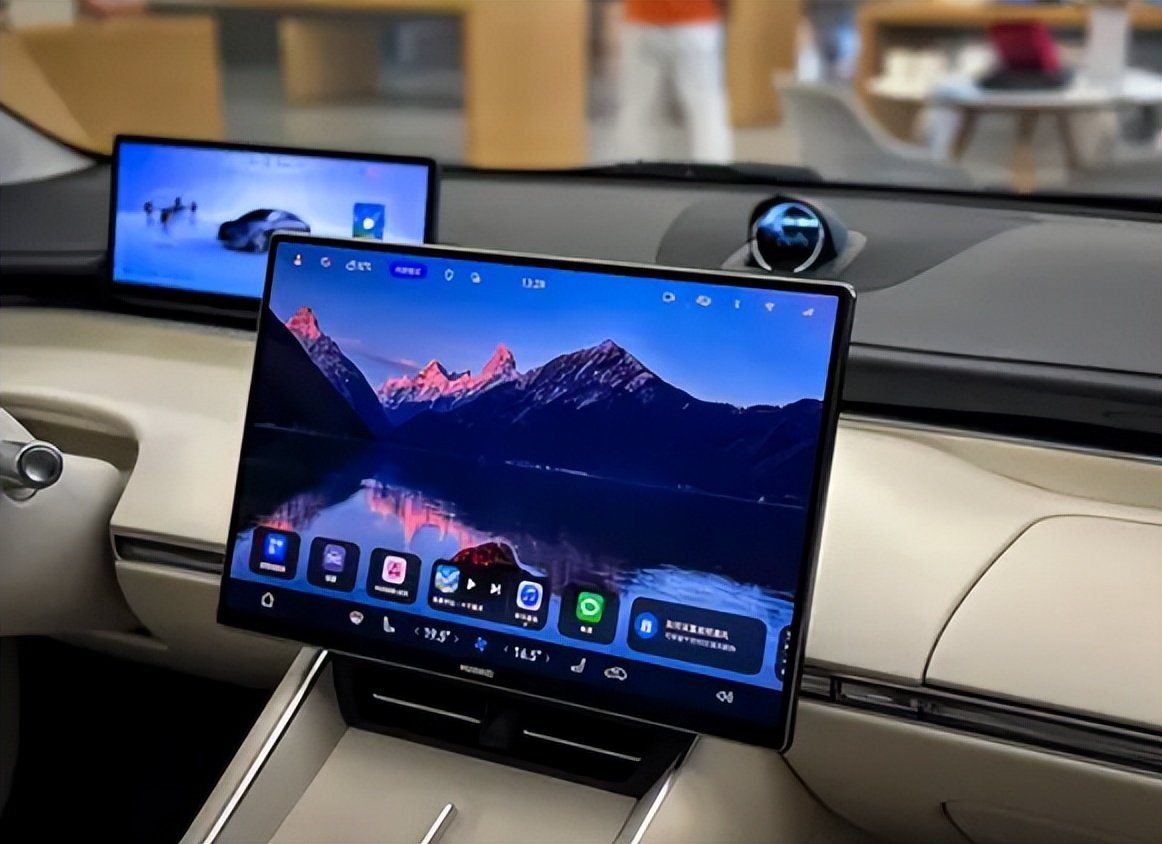
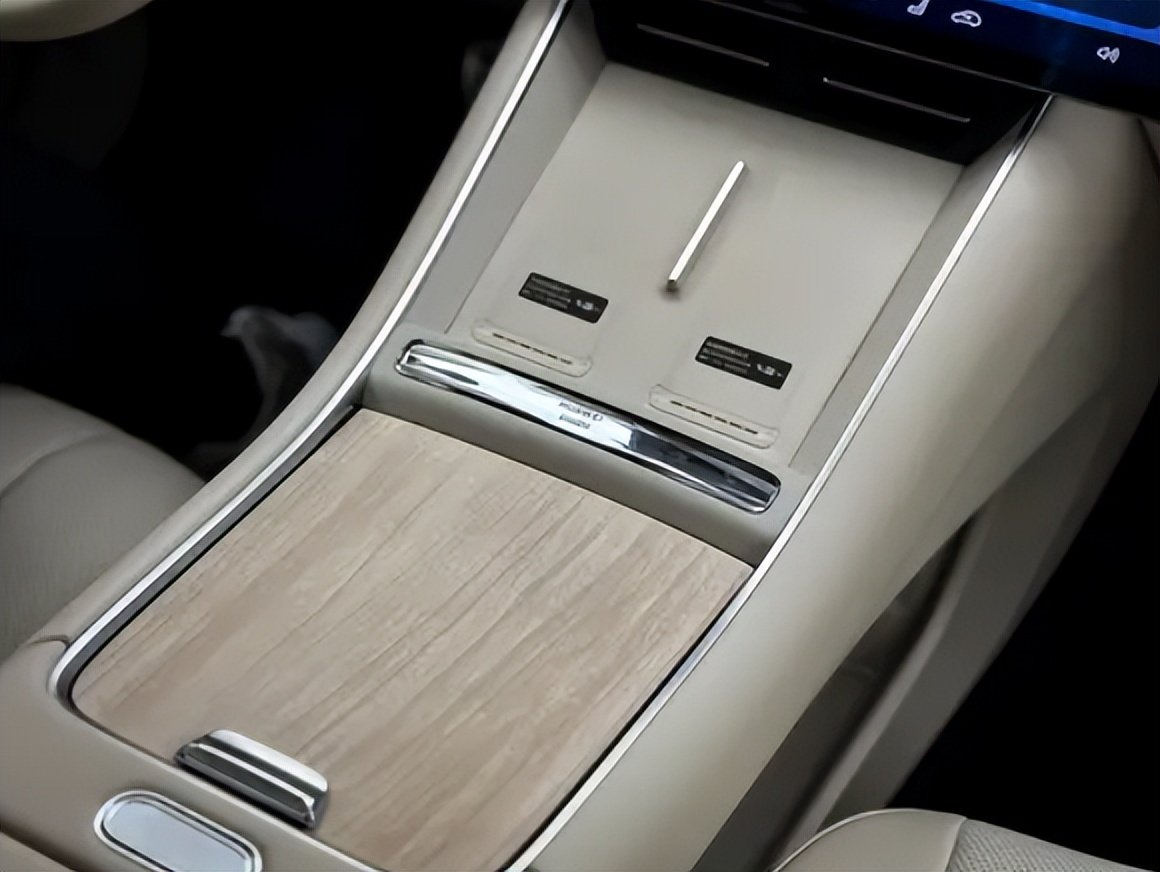
The interior hasn't seen any major changes either—still the HarmonyOS cockpit setup, with an electronic gear shifter and floating screen. It's genuinely comfortable, though seeing these "big color TVs" too often can lead to aesthetic fatigue.
Although there's controversy over the battery, the intelligent driving this time is truly top-notch! Huawei ADS 4.0 assisted driving system is on board!
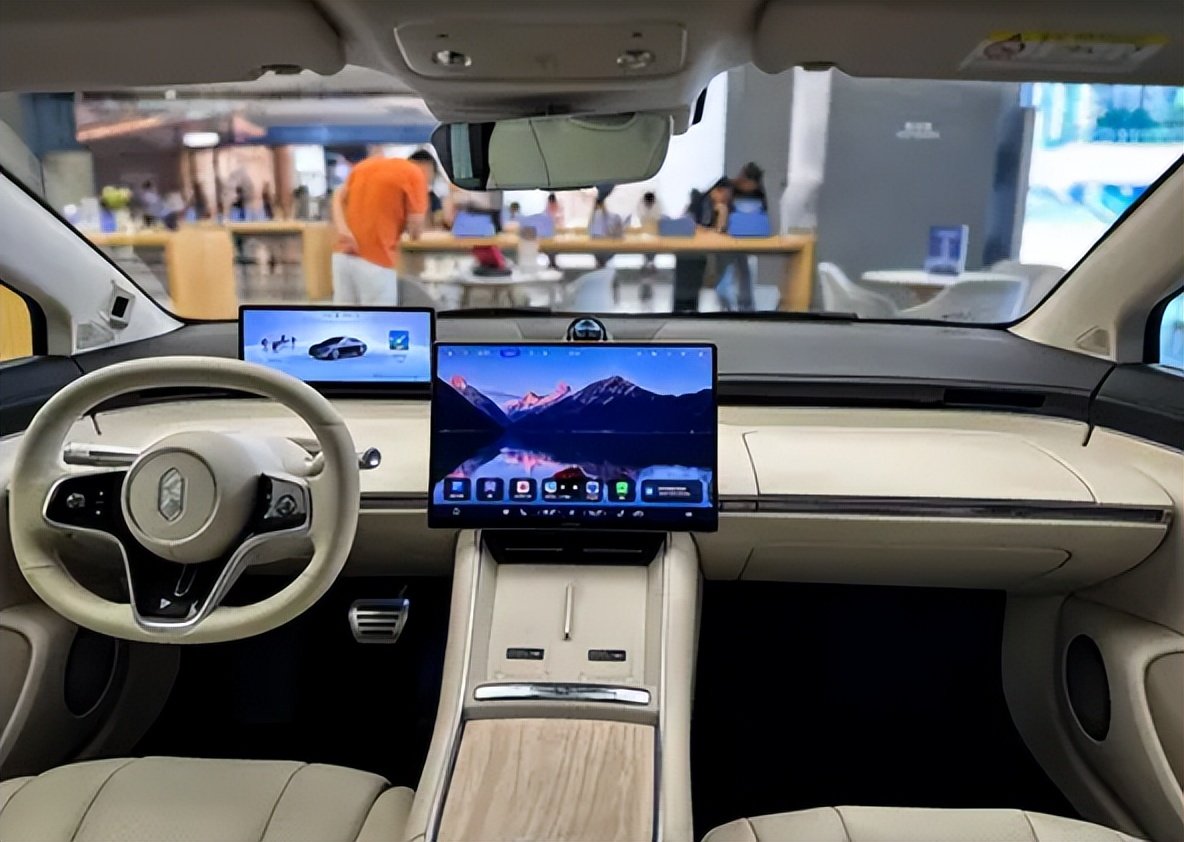
This is no joke—the 192-line LiDAR was already strong enough, and this time they've added a rear-facing high-precision solid-state LiDAR.
What does that mean? It means the ability to reverse and prevent rear collisions is maxed out.
Combined with that 4D millimeter-wave radar, this perception hardware setup at the 2026 timeline is still in the "far ahead" first tier.
Honestly, seeing the November sales figures, Xiaoba felt a bit chilled. 1,576 units, ranking 20th on the mid-to-large car list.
Let's look at the neighbors—Xiaomi SU7 is selling like hotcakes, Zeekr 001 has at least established a foothold despite the fierce competition, and even IM L6 is desperately catching up.
The Zhijie S7—with Huawei backing its technology and Chery backing its chassis—why can't it sell?
I think the problem lies in positioning and marketing.
Competitors in the same segment are all playing the "lithium iron phosphate for lower trims, ternary lithium for higher trims" game. If Zhijie S7's mixed battery this time is to cut prices and boost volume, that's absolutely a good thing; but if the price isn't sincere, consumers aren't stupid.
So here's the question—how should one actually choose?
It's actually quite simple. If you're going for ADS 4.0 and the rear-facing LiDAR, then you can buy this car with your eyes closed—the intelligent driving experience is absolutely worth the price.
Also, if you live in the north, this kind of mixed battery is more cold-resistant than pure lithium iron phosphate, but definitely not as good as pure ternary lithium—be mentally prepared for that.
Finally, as usual, a few suggestions for the manufacturer.
Don't hold back anymore—make the marketing more down-to-earth! Since the battery change lowered costs, can you give car enthusiasts a surprise on pricing?
A starting price of 229,800 yuan really needs some boldness in today's market!
One last question: with the same range and same capacity, would you buy the "mixed battery" version to save some money?