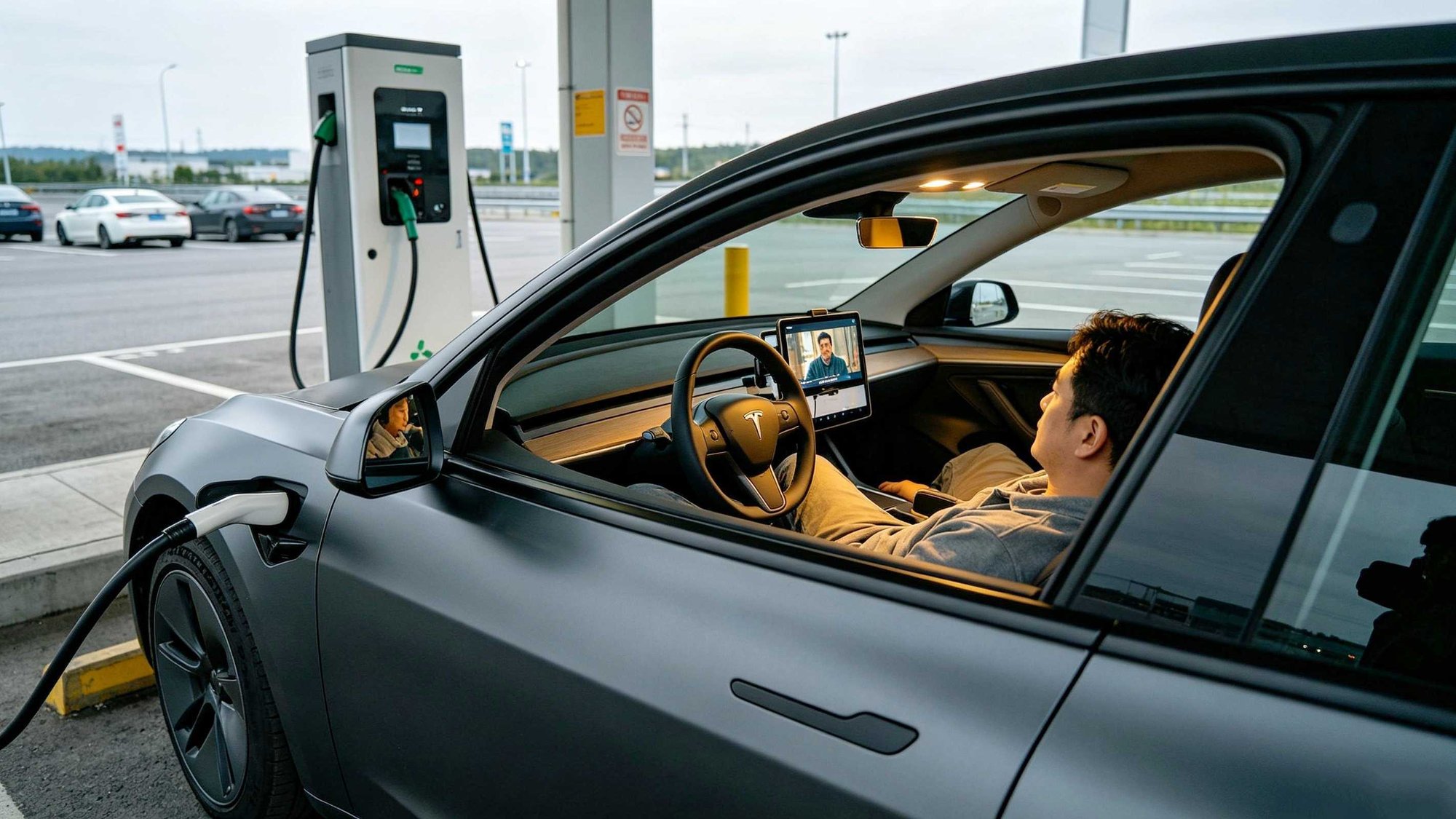
New energy vehicles are now spreading rapidly, with fast-charging power exceeding 300 kilowatts, and BYD's flash charging achieving "five minutes for a good charge, nine minutes for a full one." Many friends around me say that radiation is high during charging, and there is also a risk of spontaneous combustion, so absolutely do not stay in the car watching shows. Miao Understands Cars, in plain and simple language, reveals the truth for you.
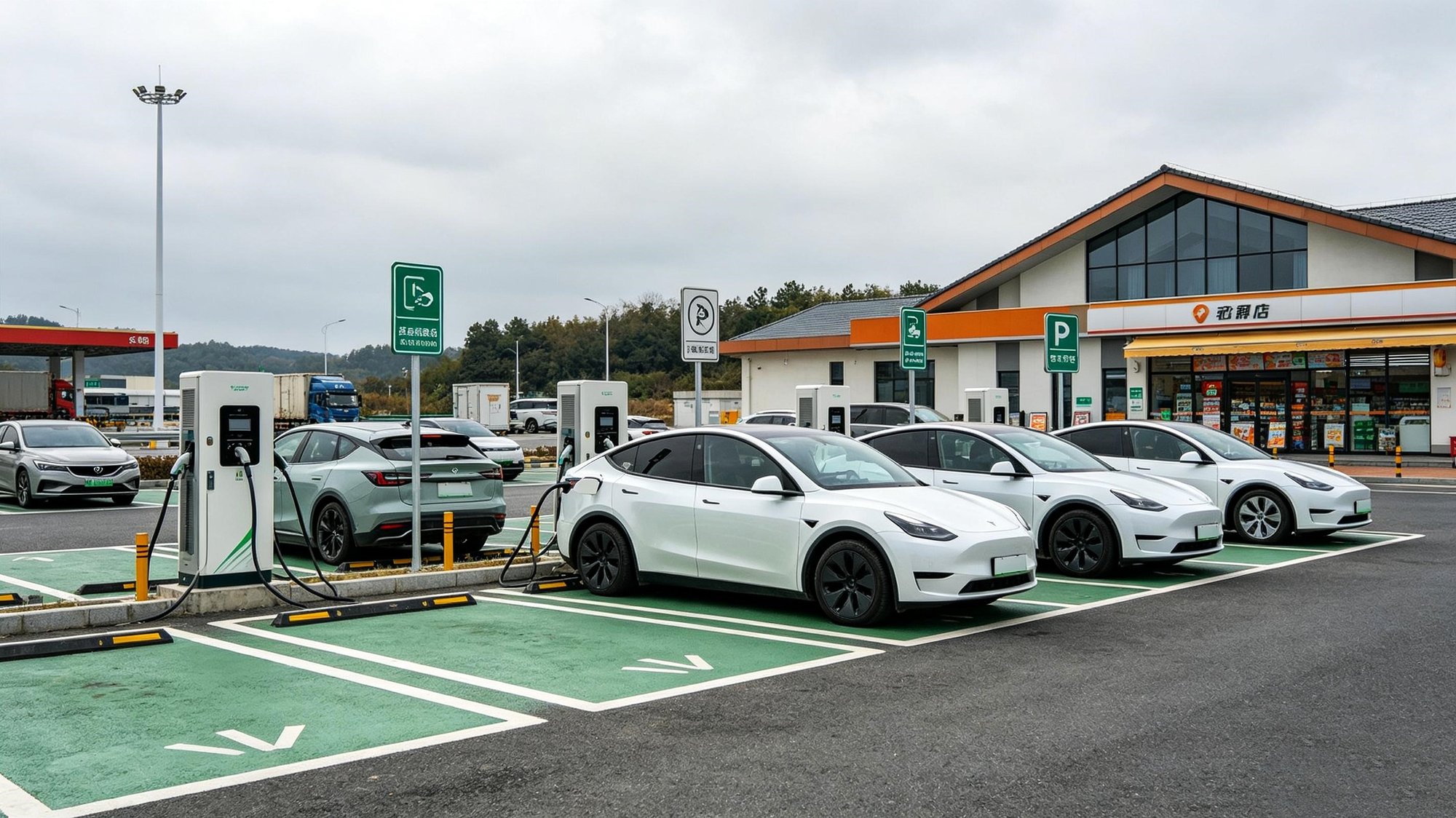
When it comes to radiation, the standards must first be clarified. In the national standard "Controlling Limits for Electromagnetic Environment," the public exposure limit for electric field strength is 4,000 volts per meter, while when the China Automotive Technology and Research Center tested mainstream electric vehicles during fast charging, the in-car electric field strength was less than 5 volts per meter, only one-thousandth of the limit, far lower than the radiation from a hair dryer, so there is no need to panic.
Now let's look at spontaneous combustion. Data shows that the probability of fire in new energy vehicles is 0.026 per ten thousand, lower than that of fuel vehicles. During fast charging, the battery management system monitors at the millisecond level, and cuts power or disconnects immediately if the temperature is abnormal. In addition, characteristic gases are released before thermal runaway, so people in the car can smell a burning odor in advance and avoid danger in time.
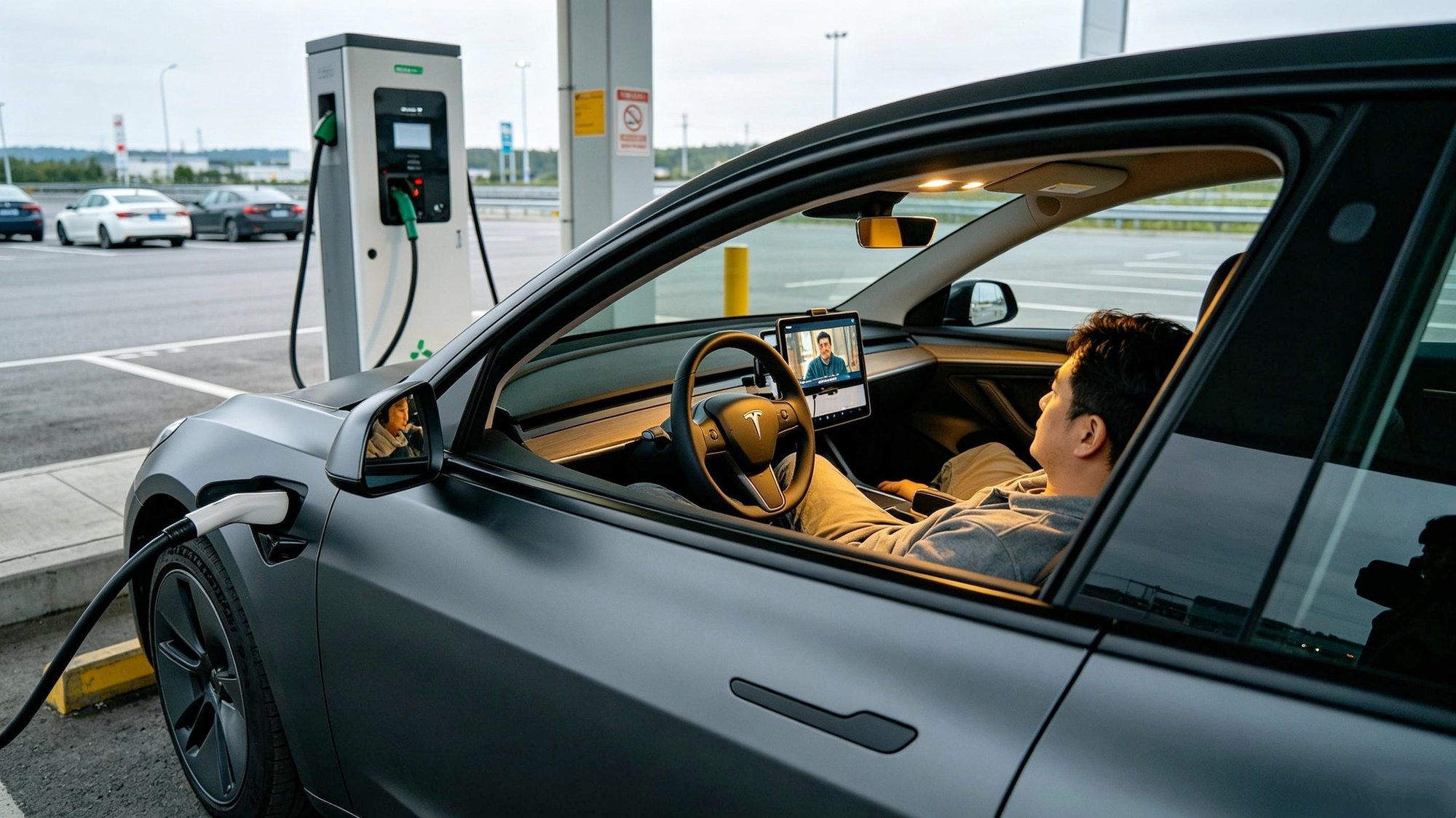
Checking the manuals of many vehicle models, such as Tesla's owner's manual, it clearly states that occupants may remain in the car while charging, though it is recommended not to sleep in order to prevent a very small probability of risk. BYD is the same; the user manual does not say that people cannot stay in the car while charging, but in thunderstorms one should stay away from the vehicle and ensure the charging gun is locked.
What about the impact on sensitive groups such as pregnant women and children? The answer is that the electromagnetic environment inside the car during charging is still safe. The WHO points out that there is no evidence that low-frequency electromagnetic fields increase health risks. Measured magnetic field strength during charging is far below the national standard limit, even less than the radiation from a running treadmill, so there is no need to deliberately avoid it.
Miao Understands Cars believes that in ordinary charging scenarios, radiation and spontaneous combustion risks are controllable, and generally there is no need to leave the car. You can enjoy the air conditioning and watch shows in the car, or rest quietly for a while, but when charging encounters severe weather, such as heavy rainstorms, the risk may increase, and charging should be stopped immediately and you should leave the car to avoid danger.
In fact, leaving the car is not absolutely safe. Staying in the car allows real-time monitoring of charging information, and in case of abnormality you can immediately unplug the gun and move away, ensuring safety. Most charging stations are in remote locations, and running the air conditioning and listening to music in the car is more pleasant, but be sure to stay alert and avoid falling asleep. This is the rational choice, balancing convenience and safety.
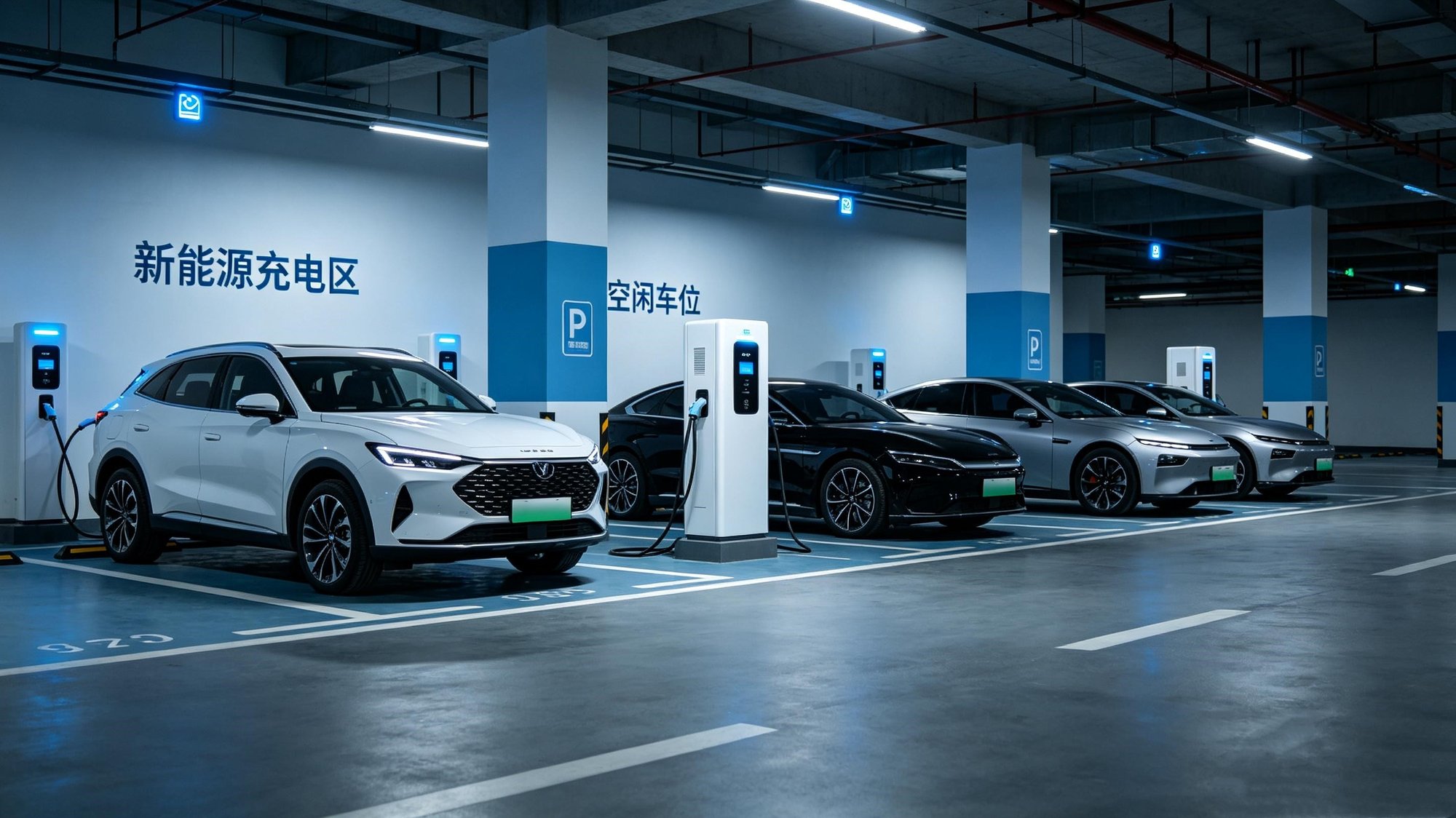
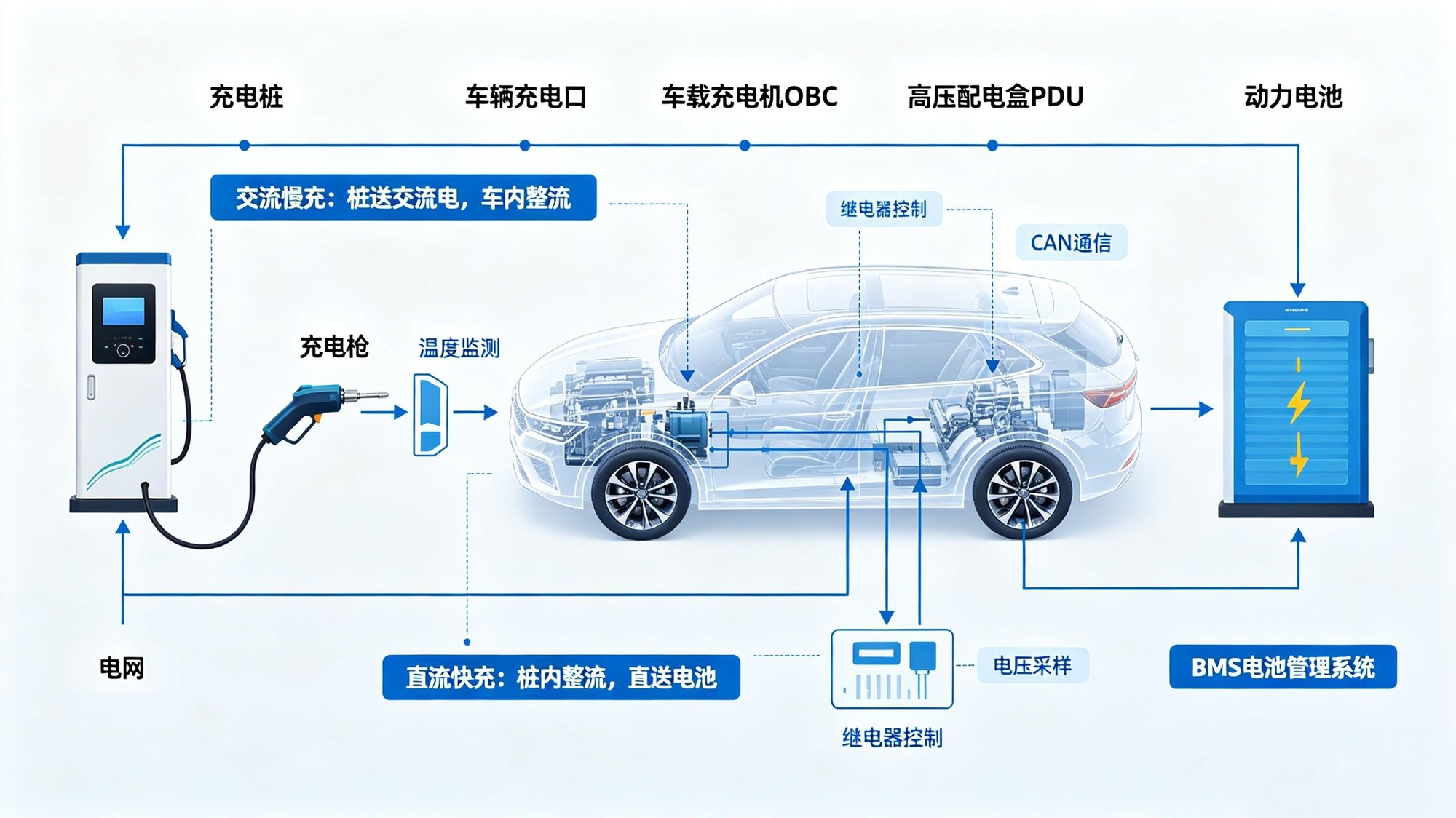
In fact, today's new-generation fast-charging piles are equipped with multiple active protection systems. Before charging, they self-check insulation resistance, and if the insulation resistance is found to be below standard, they refuse to start; during charging, they continuously monitor leakage current, and once it exceeds the safety threshold, they instantly cut off output, greatly providing a safety backstop.
Compared with radiation and spontaneous combustion risks, the high-speed operation of the battery cooling fan during fast charging may produce noise that is even more annoying. It is recommended to turn off the air conditioning external circulation to reduce in-car noise, and play music or white noise to mask it. Although you can safely take a short nap, never stay in the car after drinking alcohol or taking sleeping pills.
Written at the end
In summary, it can be seen that leaving the car while charging is not necessary. Comparison of national standard limits and measured data shows that, except mainly in extreme weather, car owners can完全可以 sit in the car watching shows and enjoying the air conditioning, enjoying the convenience of fast charging, but do not sleep too deeply. After all, amid a busy life, a short rest in the car while charging is truly a kind of relaxation. Images generated by AI, deleted if infringing.


