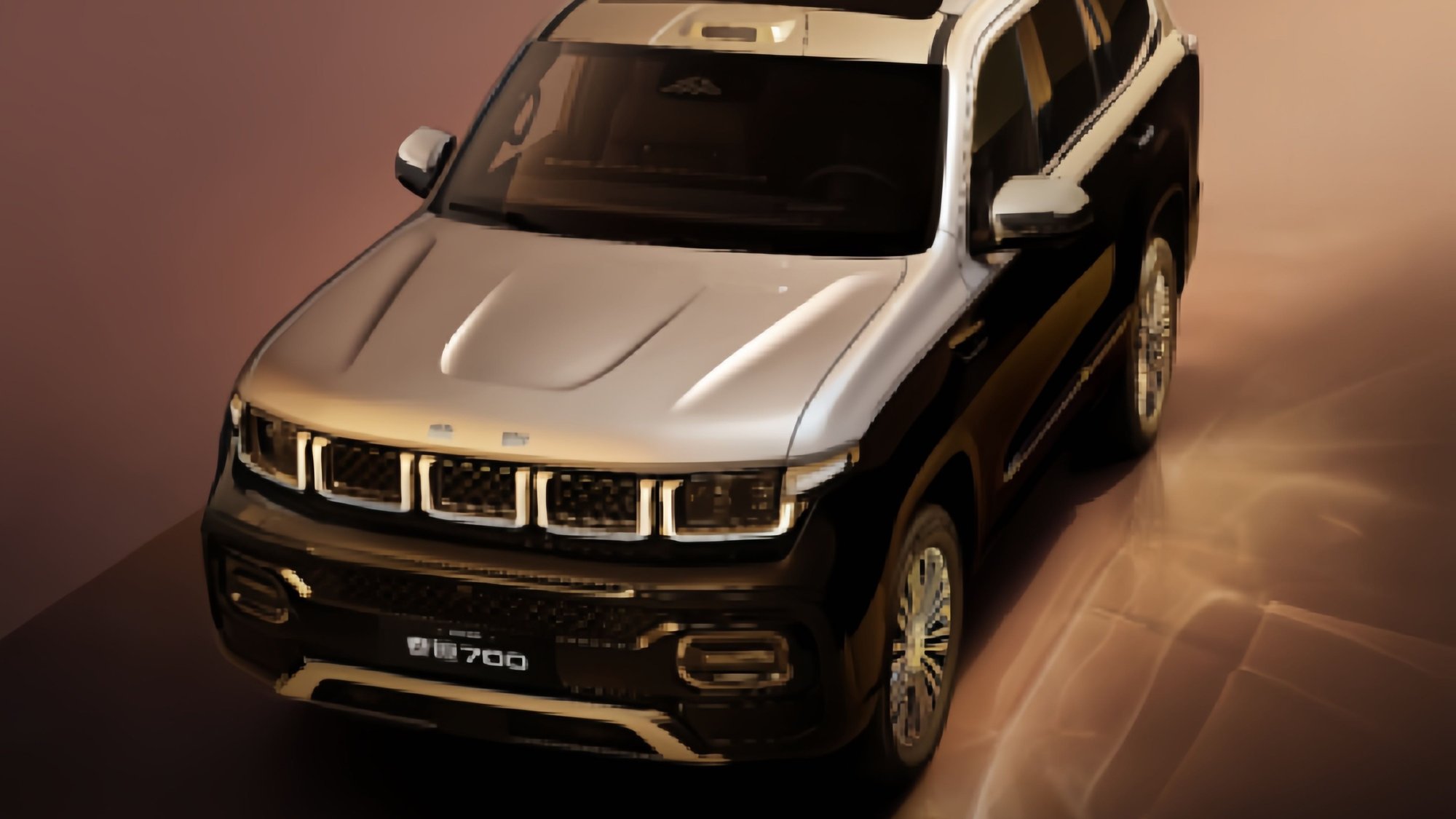
On July 6, Beijing Off-Road officially launched its new luxury off-road brand "Titan," with the first model, the Titan 700, unveiled at the same time. The new vehicle breaks away from Beijing Off-Road's classic "BJ + number" naming system, positioned as a mid-to-large hardcore off-road SUV, and adopts a body-on-frame structure.
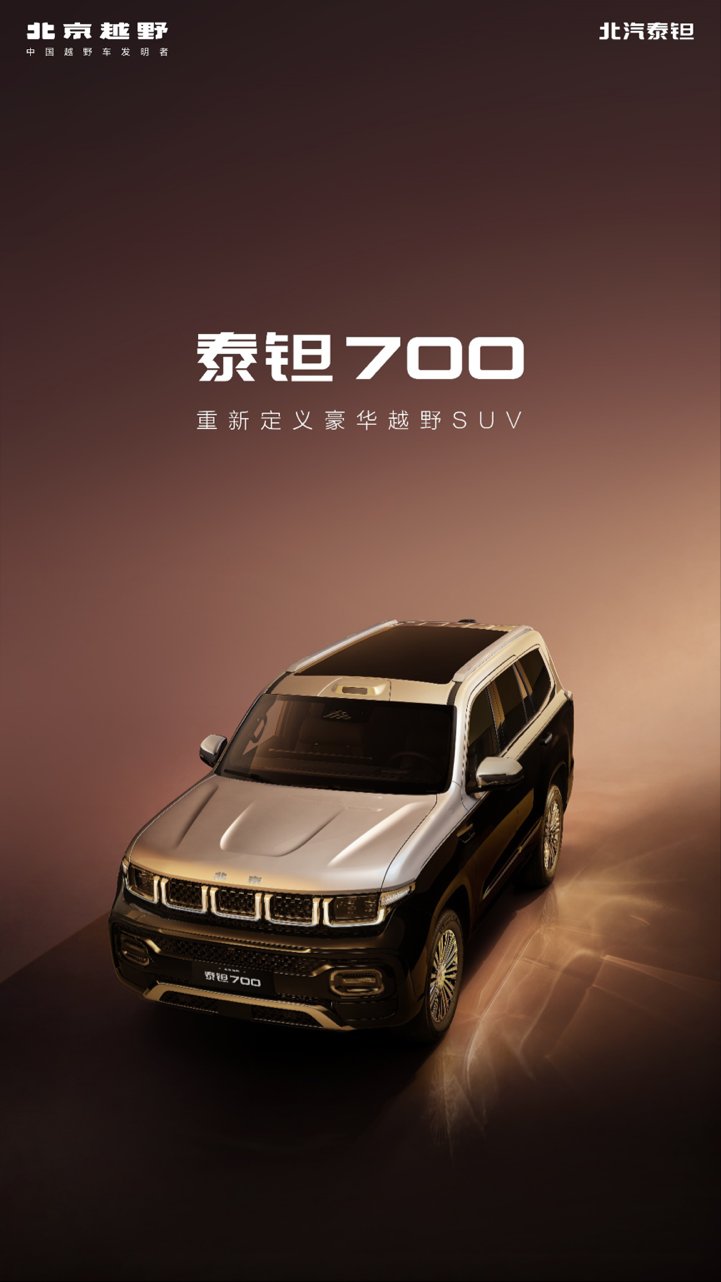
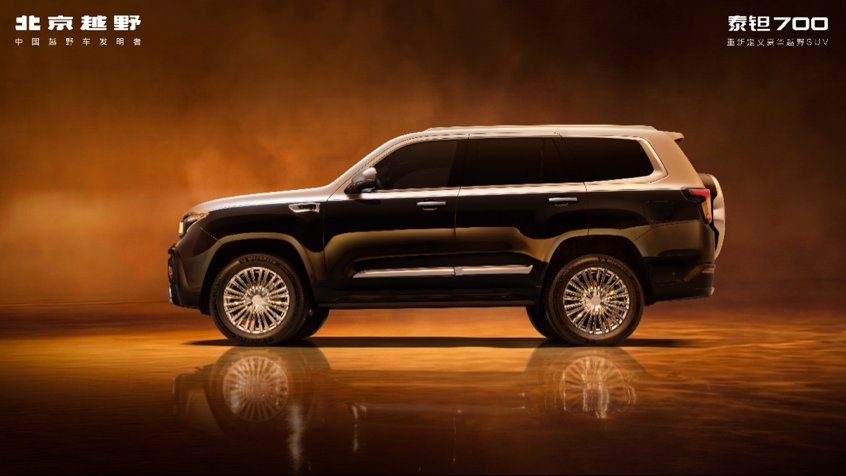
The Titan 700 measures 5040/1959/1926mm, with a wheelbase of 2820mm. Its exterior continues the classic boxy styling, equipped with a large horizontal grille and square LED headlights, while the high-end version offers a black-gold two-tone color scheme and 20-inch multi-spoke wheels.
It is powered by a 1.5T range-extender system, with the range extender producing a maximum power of 138kW, and the front and rear dual motors delivering peak powers of 170kW and 221kW respectively, for a combined system output of 391kW. It is paired with a 41.7kWh lithium iron phosphate battery, offering a pure electric range of 145km to 165km, and a combined range of over 1000km with a full tank and full charge.
Intelligent driving is a core highlight. The Titan 700 is equipped with Huawei Qiankun ADS 5.0 intelligent driving system, featuring 896-line LiDAR, 8-megapixel multi-camera setup, 4D millimeter-wave radar, and a total of 27 sensors, supporting full-scenario navigated assistance including urban NOA, highway NOA, and off-road NOA.
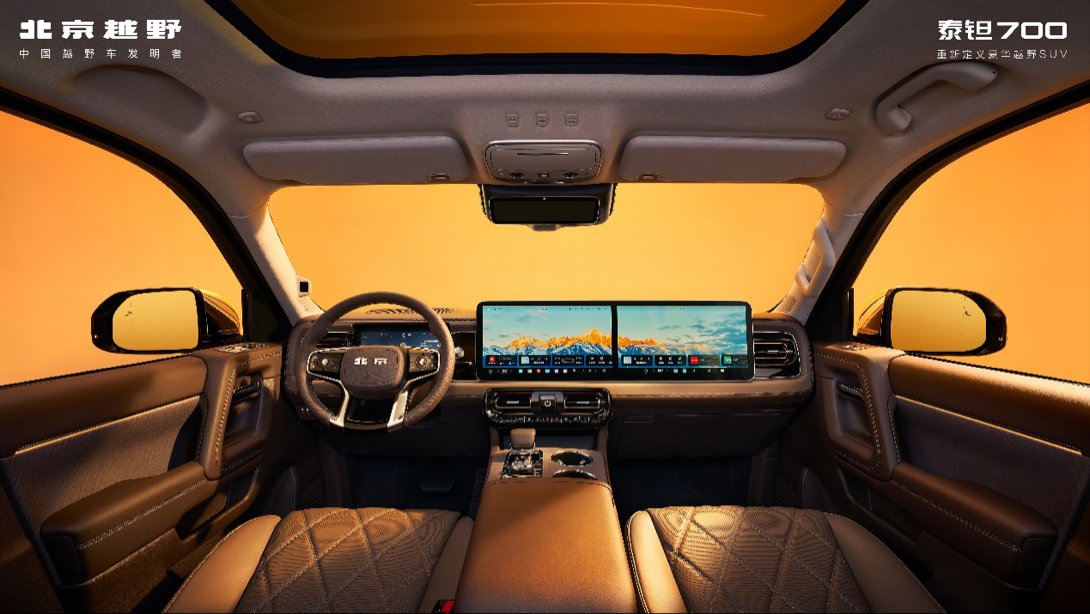
The interior targets million-yuan luxury standards, equipped with solid wood trim, suede headliner, and full-leather seats throughout, with ventilated, heated, and massage functions as standard.
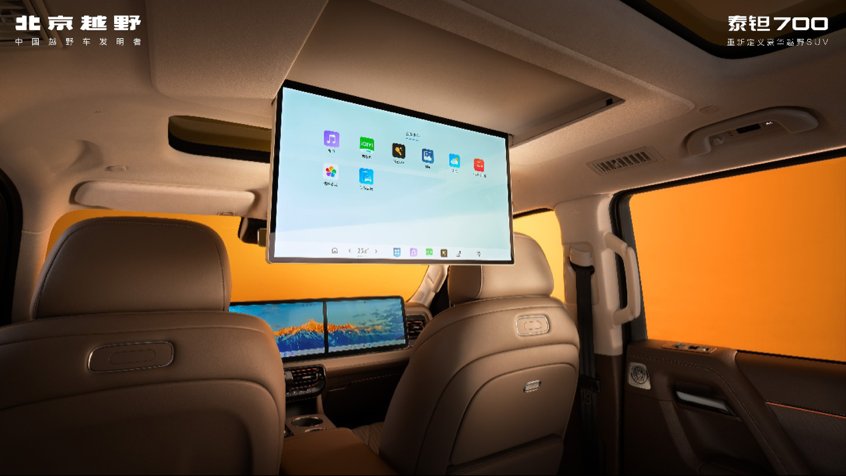
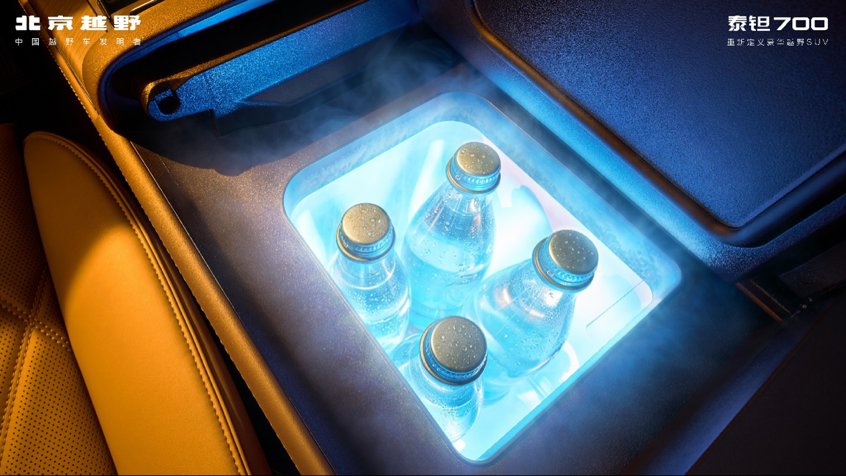
The industry-exclusive graphene physiotherapy seats can emit far-infrared rays for deep warming and soothing care, while the aviation-grade oxygen generation system has a maximum oxygen output of 7L/min, supporting simultaneous oxygen supply for 4 people. The rear row is equipped with a 21.4-inch 3K ceiling-mounted screen, a small table, and an onboard refrigerator.
Quick take:
The Titan 700 combines a body-on-frame chassis, Huawei Qiankun intelligent driving, and a wellness cockpit—an interesting idea. The body-on-frame chassis ensures off-road fundamentals, Huawei's intelligent driving raises the ceiling for intelligence, and the wellness cockpit can indeed address some pain points in outdoor scenarios. Off-road NOA is beginner-friendly for off-road traversal, and the aviation oxygen generation system also has real value at high altitudes. However, the reliability of the combination of range-extender power and intelligent hardware in harsh environments still needs to be verified after production vehicles hit the market.