When the old name Tiggo 5 reappeared on the scene, I knew that Chery was determined to go all in on the most cutthroat battlefield this time.
Yesterday, Chery did something quite "tiger-like" — it threw three "bombs" in one go into the already blood-red A-class SUV market.
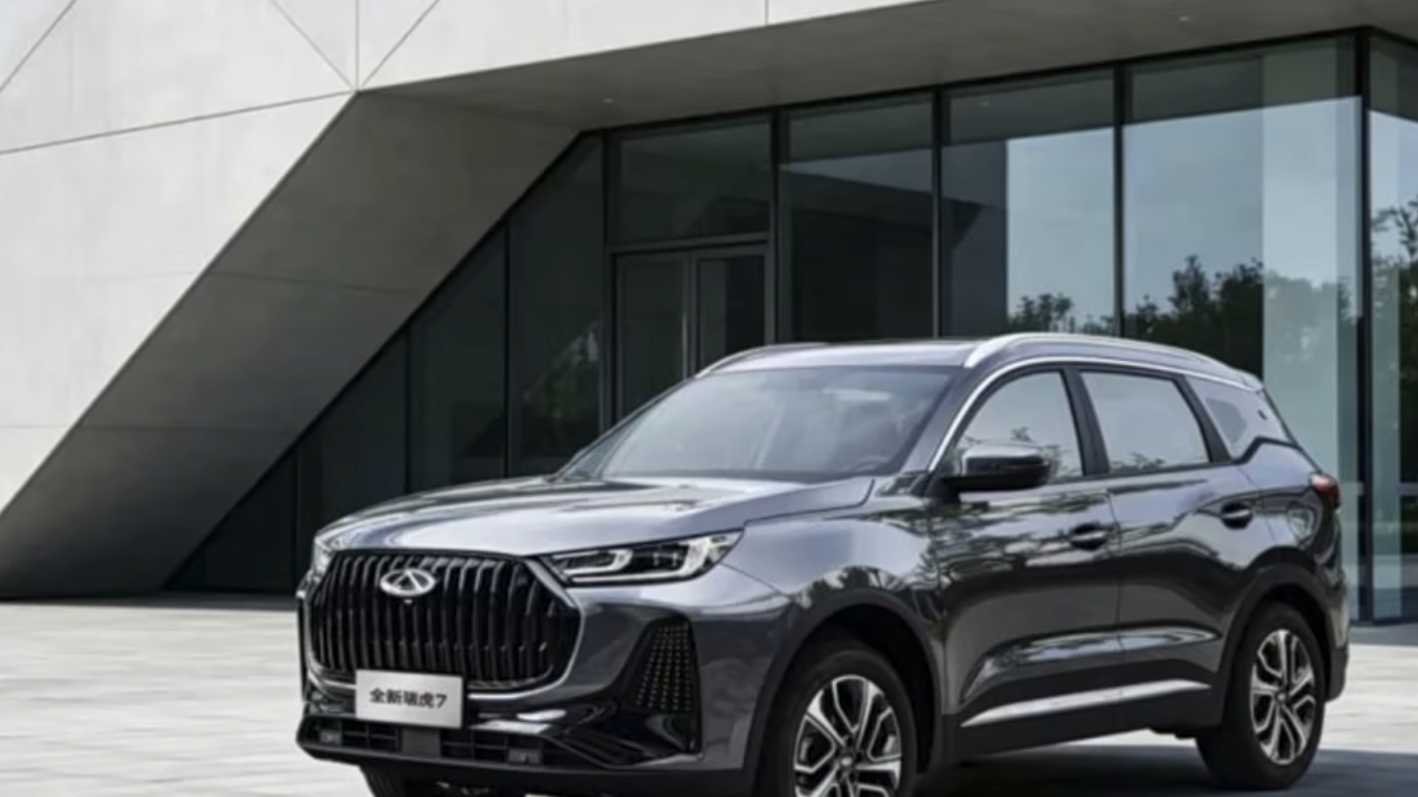
The 2026 Tiggo 7, the all-new Tiggo 7L, and that one that makes old car fans' hearts skip a beat — the revived Tiggo 5.
It feels like playing Dou Dizhu, when others are still hesitating over whether to play a single or a pair, Chery just slams down a "three with one." The cards are on the table, but whether it can win still depends on what the other players are holding.
01 Three cards, each with its own story
Let's first take a look at what these three cards in Chery's hand are really worth.
The first card: the 2026 Tiggo 7 — the "honest guy" with price cuts and added features
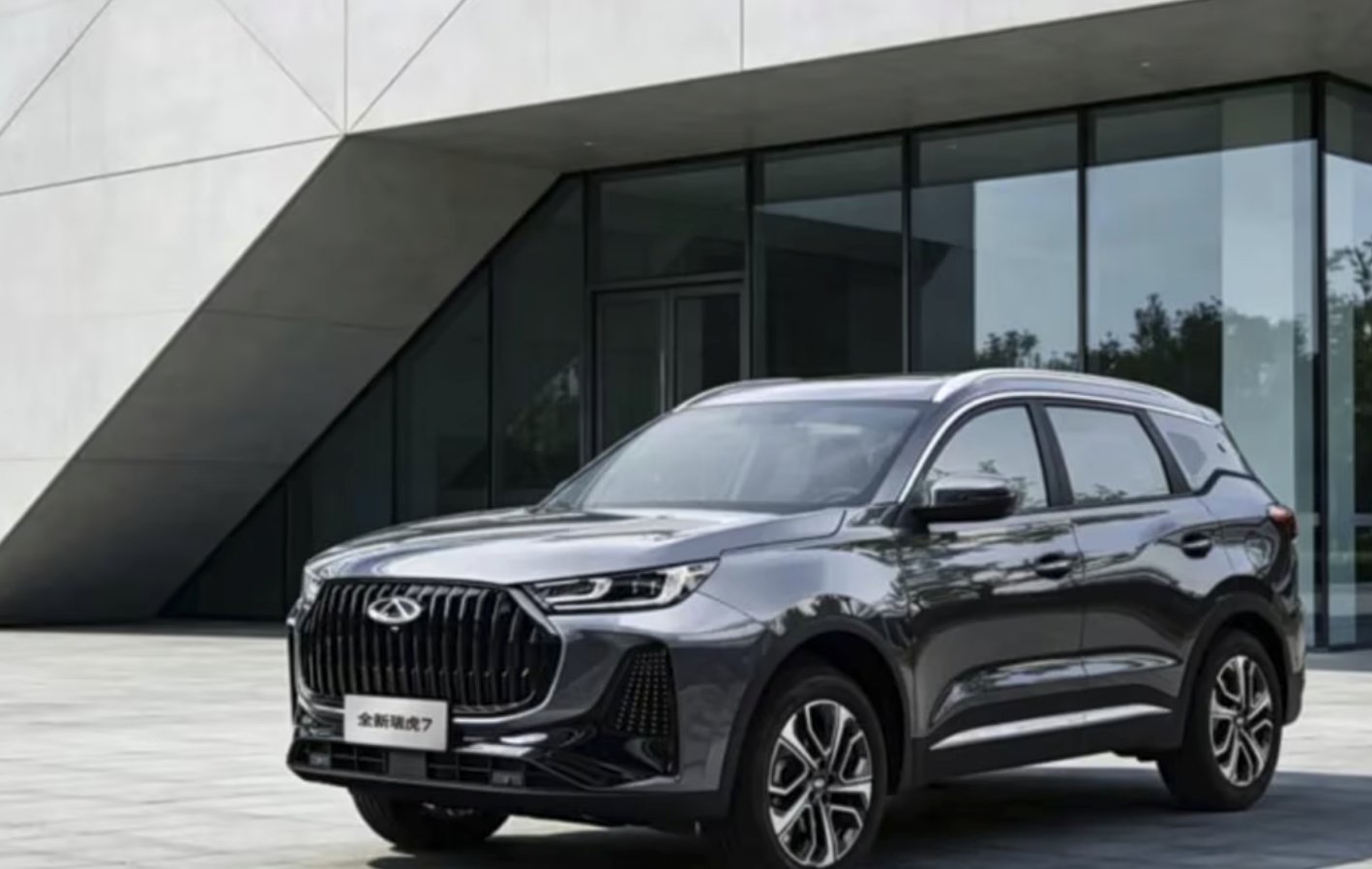
As a facelift model, it didn't play any fancy tricks, just did the two most practical things: cut the price and add features.
Compared with the old CVT version, the starting price dropped by 10,000 yuan outright. Today, when the term "price war" is almost worn out from being said too much, a real price cut is still the hardest truth that moves people's hearts. In terms of equipment, a 24.6-inch curved dual screen and a 1.1-square-meter large sunroof are included, and the chassis has also been switched to a more comfortable four-wheel independent suspension.
The most ruthless move is: lifetime warranty for the whole vehicle plus the engine. This is equivalent to Chery patting its chest and telling you, "Drive this car as hard as you want; if it breaks, it's on me." For family users seeking peace of mind and practicality, this alone is enormously lethal.
The second card: Tiggo 7L — wanting to be a "trendy youth"
Just from the name, you can tell it is a bit more "L" than the Tiggo 7, and its positioning is younger and sportier. The core is that it uses Chery's own Kunpeng 1.6T engine, and the most eye-catching part of the interior is a 15.6-inch sliding screen — this thing is still somewhat of a novelty in Chery's lineup.
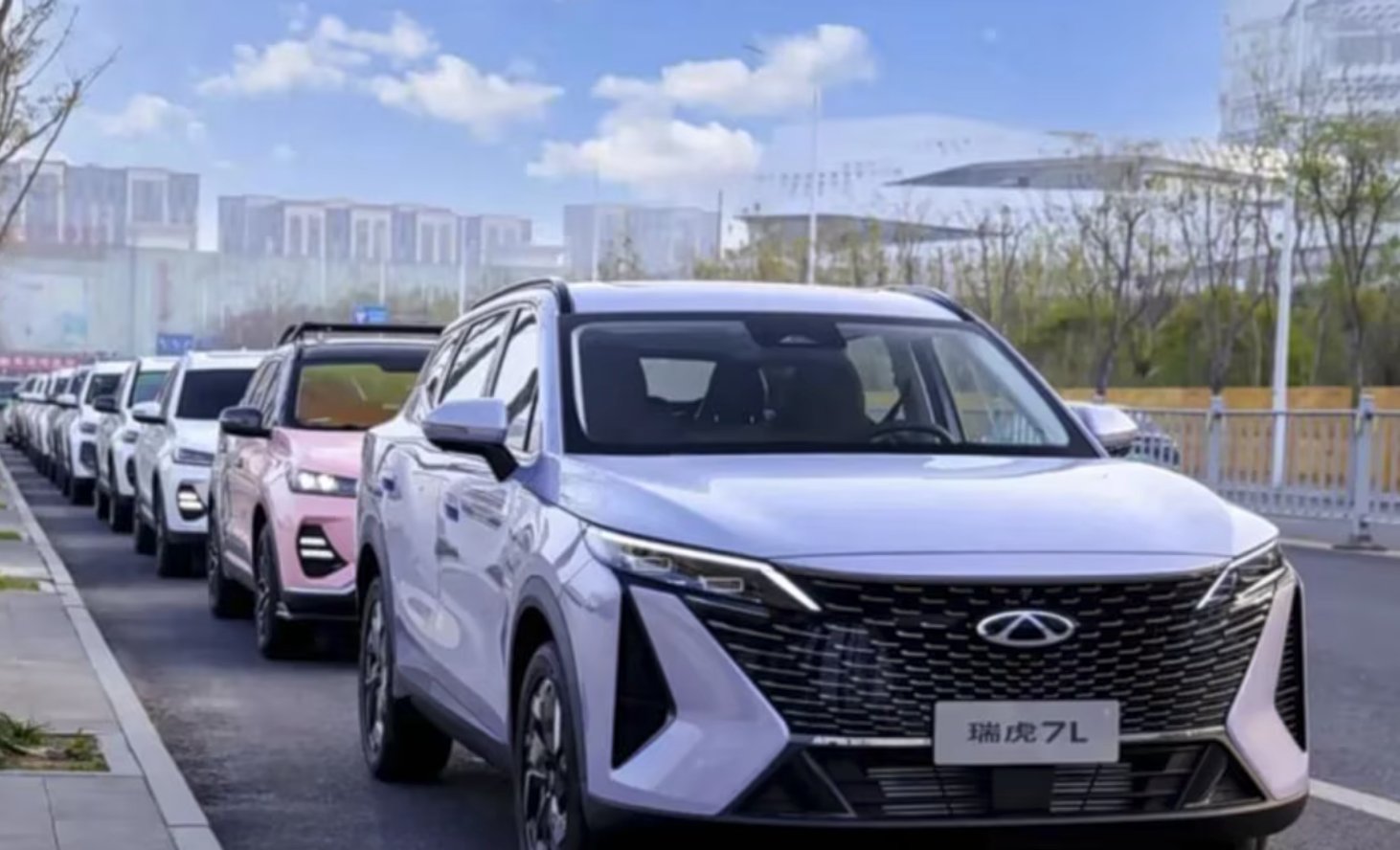
The price is set at 85,900 to 106,900 yuan, and the intention is obvious: slot it between the Tiggo 7 and Tiggo 8, and attract young people who think the Tiggo 7 is not trendy enough but also feel the Tiggo 8 is a bit over budget.
The third card: Tiggo 5 — the "nostalgia assassin" and "price butcher"
This is the most interesting card. A name that had been silent for years is revived in the form of a "sport version," with a starting price set directly at 79,900 yuan.
You might think an 80,000-yuan car is just "good enough to use"? Chery immediately fires back with a configuration list: Qualcomm Snapdragon 8155 chip, AI large-model voice, Sony 8 speakers. These terms usually appear at launch events for models costing 150,000 yuan or more. Now, they have been stuffed into an 80,000-yuan-class SUV.
For comparison, the 2017 Tiggo 5 automatic version had a starting price close to 98,000 yuan. Now the price has dropped by nearly 20,000 yuan, yet the equipment has leaped across an entire intelligent era. This move plays the "nostalgia" card, and even more so unsheathes the bayonet of "cost-effectiveness."
02 Chery's "imbalance" and self-rescue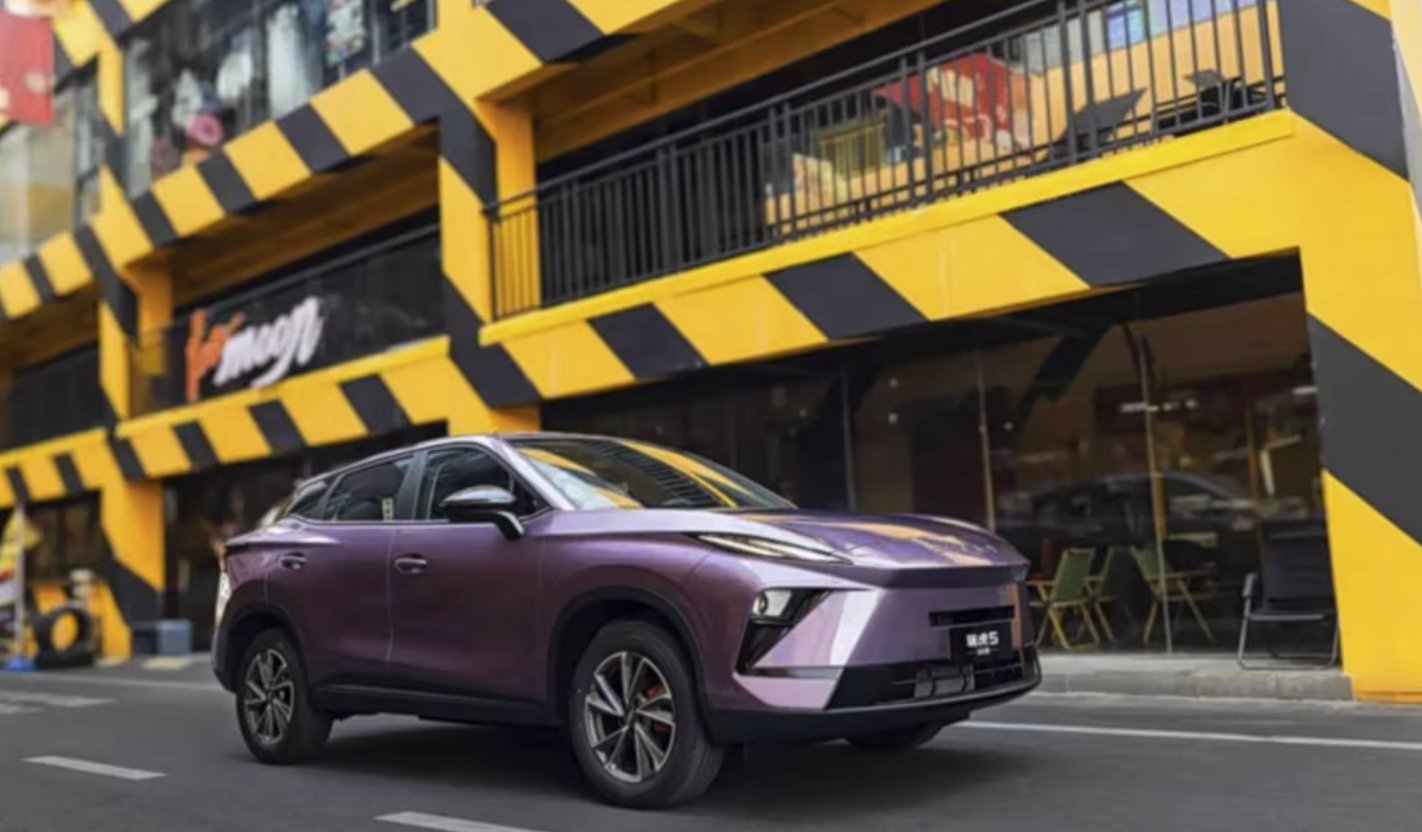
Seeing this, you might wonder: Aren't Chery's SUVs selling pretty well? Why suddenly go so "crazy" in the A-class market?
The problem lies in the fact that the "hot" sales are not balanced. Looking at sales data, you will find an obvious "imbalance" phenomenon in Chery SUVs: B-class cars are selling like crazy, while A-class cars have gone quiet.
The Tiggo 8 is the absolute sales pillar, steadily exceeding 10,000 units per month; the Tiggo 9 also performs well. But the A-class mainstay that should be the base — the Tiggo 7 — has long hovered around only 2,000 units per month, an order of magnitude lower.
Why is that? One somewhat awkward reason: the Tiggo 8's "above-class strike" is too harsh.
The Tiggo 8 is a proper B-class SUV, but its starting price is only 109,900 yuan. This means that consumers only need to pay a little more to upgrade from A-class to B-class and gain more space and prestige. The result is that the "big guy" Tiggo 8 has stolen the market of its own "little brother," the Tiggo 7.
So this "three cars launched at once" is essentially a strategic self-rescue. Chery must use the Tiggo 5, Tiggo 7, and Tiggo 7L to weave a dense firepower network covering 70,000 to 110,000 yuan, and drag back into its showrooms those customers who were lost because the Tiggo 7's product strength was insufficient or its positioning was vague.
Consumers can no longer be allowed to feel that when buying a Chery SUV, they "can only" or "had better" choose the Tiggo 8.
03 A tough battle of "pincer attack from inside and outside"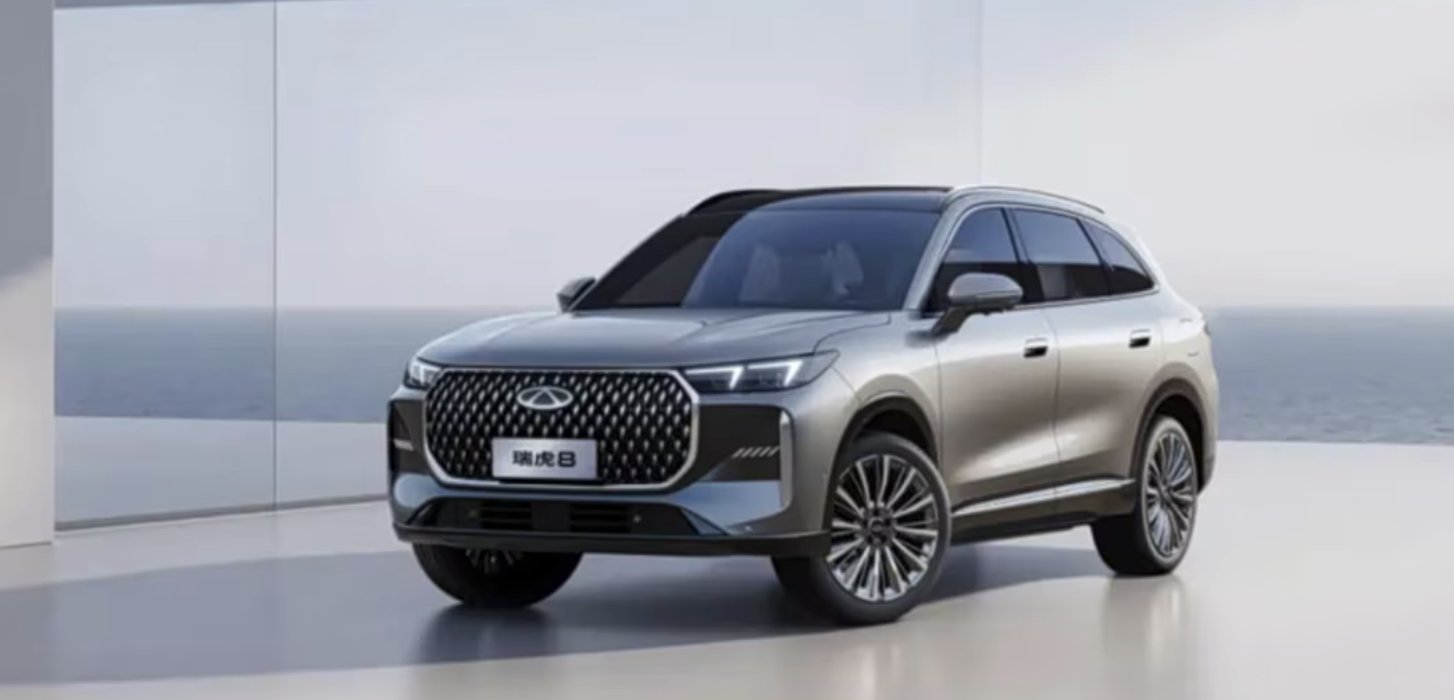
The ambition is great, but the battlefield facing Chery can be called hell-level difficulty.
Externally, strong enemies surround it. The 80,000-120,000 yuan A-class SUV market is the most brutally competitive "Shura field" in China's auto market. The Haval H6, Changan CS75 PLUS, Geely Boyue L... each one is a battle-hardened "sales harvester" with deep word-of-mouth. These three new Chery models must have sufficiently unique and sharp selling points to snatch food from the mouths of these veterans.
Internally, it must be even more careful of "brothers fighting within the walls." This is where Chery's product definition and marketing wisdom are tested the most.
The most delicate part is the relationship between the Tiggo 7L and Tiggo 8. The top trim of the Tiggo 7L is 106,900 yuan, while the Tiggo 8 starts at 109,900 yuan, a price difference of only 3,000 yuan. This will plunge consumers into a happy dilemma: choose the Tiggo 7L with fresher design and possibly higher configuration, or just add a tiny bit more money and go for the larger Tiggo 8?
If internal positioning is unclear and leads to "infighting," that will be the biggest strategic mistake. Chery must make these three cars distinctly different in character: the Tiggo 5 is the ultimate cost-effective "intelligent volume king"; the Tiggo 7 is the balanced, reliable "family partner" that leaves you with no worries; and the Tiggo 7L is a "trend item" aimed at young people. Let them each attract completely different customer groups.
04 In closing: a battle Chery cannot afford to lose
In any case, for Chery, there is no way back in the battle for A-class SUVs.
This market is not only the ballast stone for sales, but also the cornerstone of brand reputation and a stepping stone into overseas markets. Losing the A-class market is equivalent to losing the future.
Launching three new cars at once with clear positioning and distinct emphases demonstrates Chery's strong system capability and decisiveness. But this is only the first step. The cards have been dealt; next we need to see how Chery plays them:
How many old users can the Tiggo 5's "nostalgia + cost-effectiveness" combination punch awaken, and how many young first-time buyers with limited budgets can it attract?
Can the Tiggo 7L's "sporty trend" persona stand firm in front of "all-round bucket-type" contenders like the Haval H6 and Changan CS75?
How much appeal does the facelifted Tiggo 7's "lifetime warranty" promise really have?
The market's answer will not be written in a press release, but in the sales rankings over the next few months. Whether Chery's pot of "dumplings" smells delicious or has been cooked into a pot of porridge, we will soon find out.
But one thing is certain: in the 80,000-110,000 yuan price range, because of Chery's "heavy troop deployment" this time, new waves are about to rise again. For consumers, this is always a good thing.


