Today, when choosing an electric car, people are no longer fixated solely on the sticker price. We have gradually come to realize that what truly causes hesitation is often not the expense at the moment of purchase, but the years of ownership that follow. What happens after the battery degrades? Who bears the cost when core components fail? Will maintenance costs remain stubbornly high as the vehicle ages?
From the consumer's perspective, we are certainly pleased that purchase costs keep coming down, but what leaves us uneasy is that the risks of ownership are increasingly being shifted onto consumers themselves. These invisible long-term risks are becoming the root cause of hesitation for many would-be buyers.
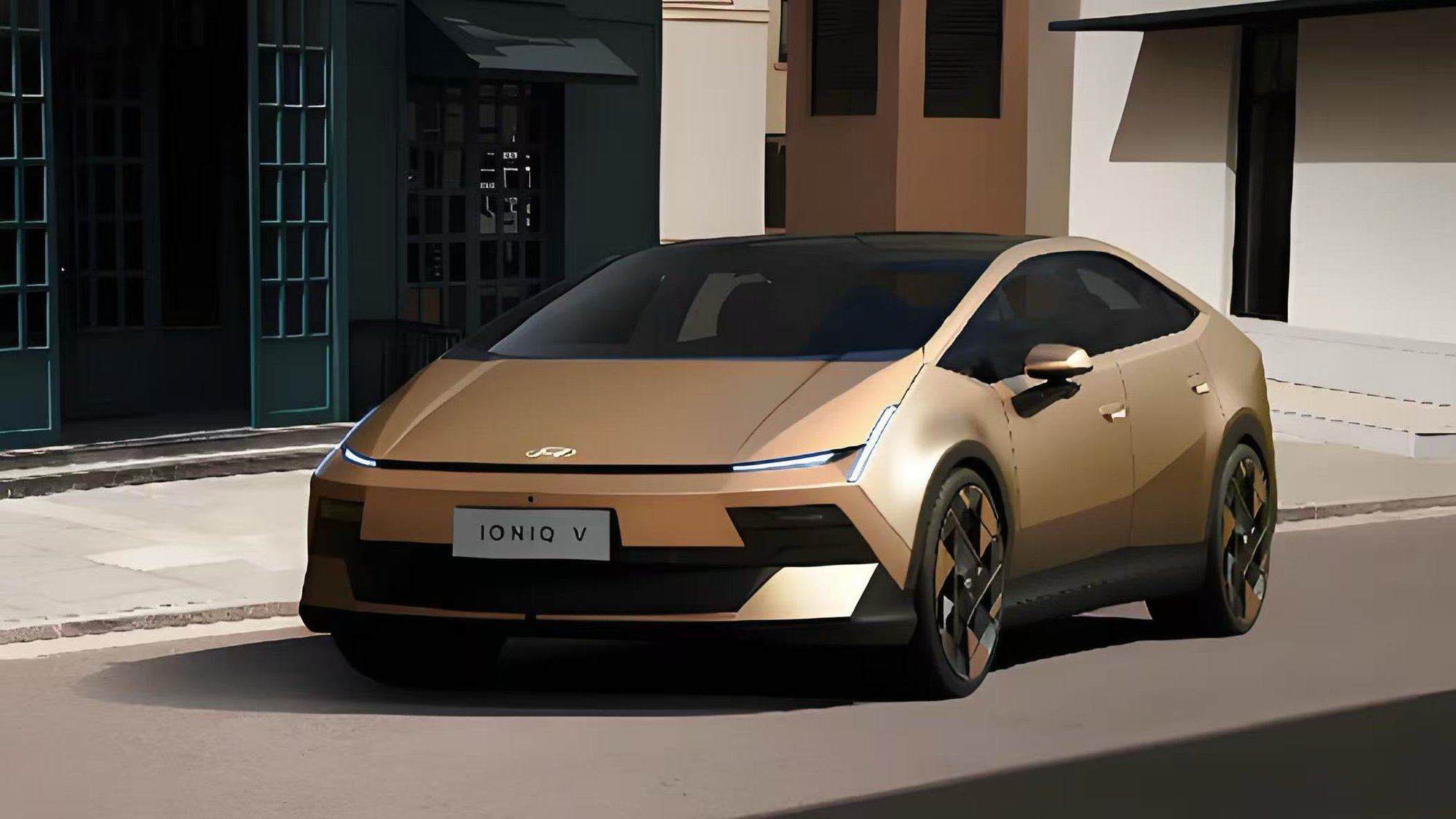
Against this market backdrop, on September 29, Beijing Hyundai's Ioniq V made its official public debut, with five configuration versions and a limited-time benefit price ranging from 99,900 to 131,900 yuan—precisely the budget range most ordinary families would seriously consider when shopping for a pure electric sedan.
There is no shortage of low-priced models on the market, but automakers willing to factor in users' future ownership risks are not many.
This is precisely where the benefit policies accompanying the Ioniq V's launch deserve careful reading. It does not stop at simple price cuts and concessions, but attempts to dissolve ordinary people's concerns about buying an electric car from three dimensions: purchase cost, configuration experience, and long-term ownership protection.
The core of this is the comprehensive warranty commitment. The entire vehicle along with the three electric components (battery, motor, and electronic control) receive lifetime warranty coverage. Within an 8-year or 160,000-kilometer period, if battery degradation exceeds 30%, the battery will be replaced rather than repaired, and there is also a guarantee of one-for-one compensation in the event of battery spontaneous combustion. Many people worry that in the later stages of electric car ownership, battery degradation will lead to high repair and replacement costs. This commitment is equivalent to the automaker taking over a portion of the long-term usage risks. Buying a car is only the beginning of a ownership experience—compared to short-term price discounts, what is rarer is a willingness to provide a safety net for users' mobility over the years to come.
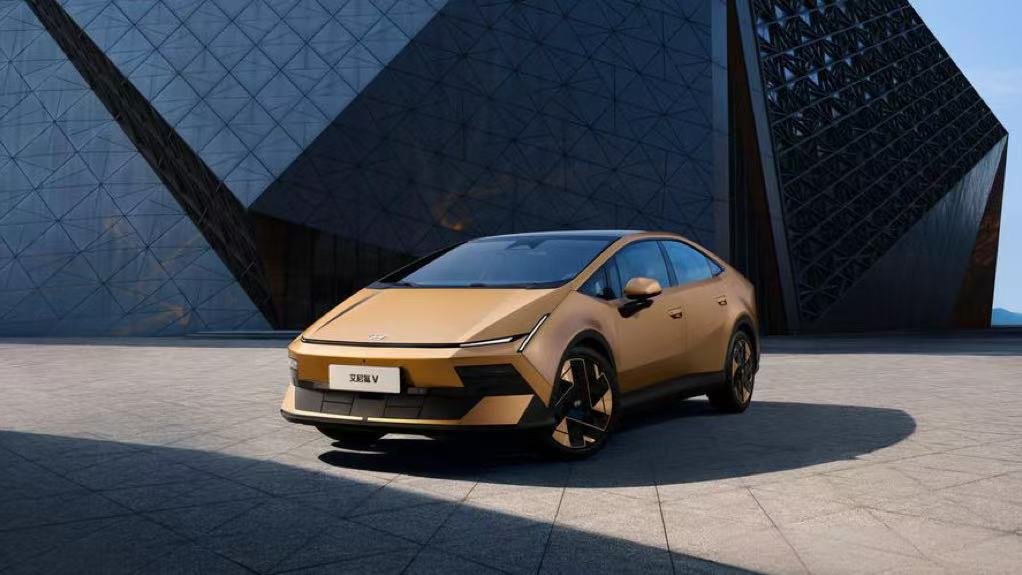
In addition to providing consumers with the most reassuring full set of ownership protections, this launch also includes six complimentary configuration upgrades, delivering many high-perception features directly to users.
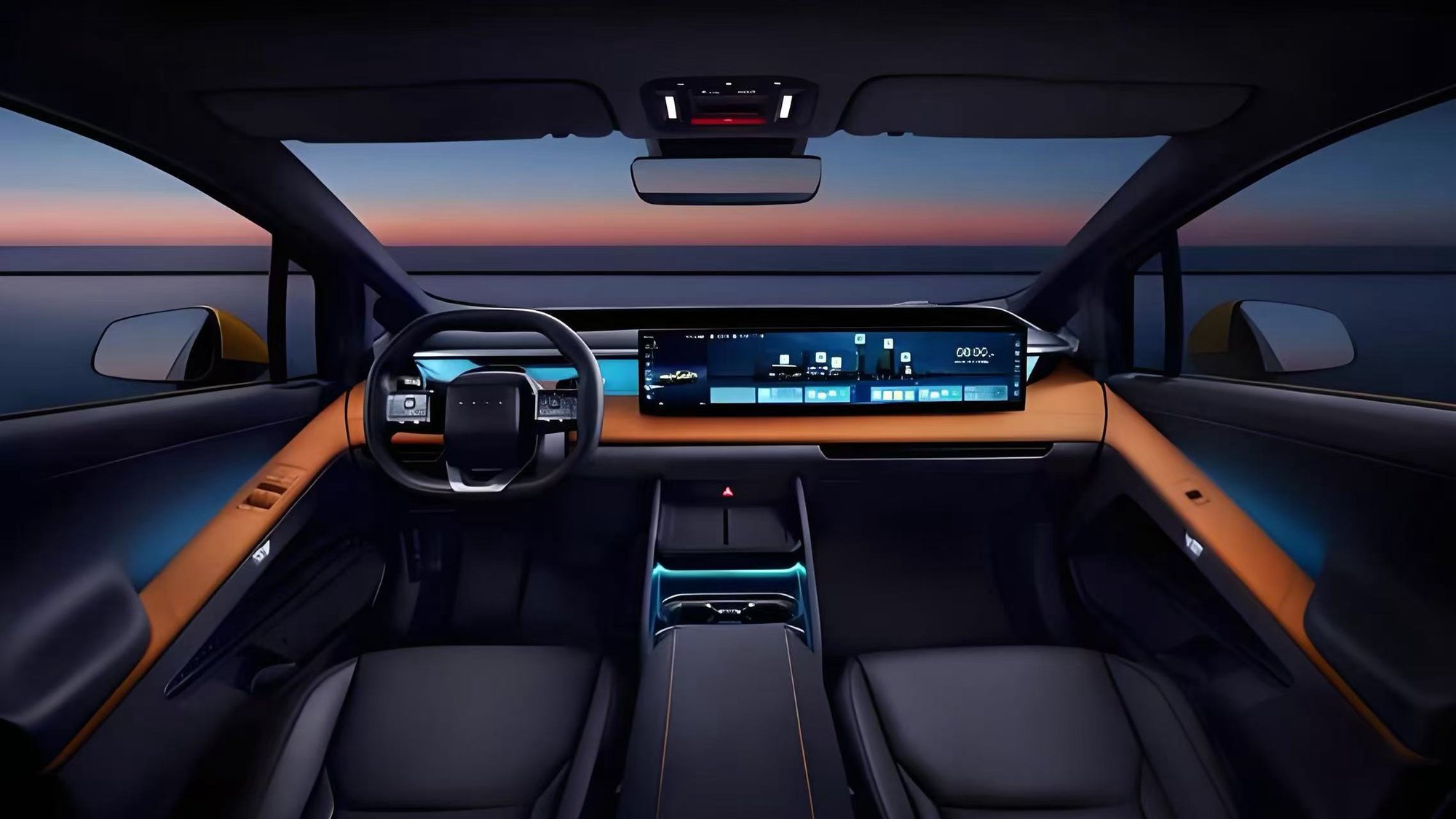
For example, the heat pump air conditioning not only warms the cabin quickly on cold winter days but also avoids excessive battery drain that would compromise range. There is also the Cyber Eye PHUD that lets drivers avoid frequently looking down at the instrument cluster, and Dolby Atmos that makes listening to music or audiobooks in the car more immersive—even entry-level models can have these directly. If you choose the MAX+ version, you get 19-inch wheels, an electric tailgate, and nine airbags. If you choose the long-range version, you also get a panoramic sunroof sunshade, a charging pile, and a discharge gun for camping leisure. These are not flashy paper specks but features that genuinely improve the experience in daily commuting, family trips, and weekend camping. More importantly, users do not need to pay extra for optional add-ons.
Considering the financial situations of different groups, the financing plans have also been adapted. The manufacturer offers up to 11,000 yuan in interest subsidies, supporting multiple methods including zero down payment, zero interest, and zero monthly payment, easing the financial pressure on young people buying their first car. If you have a trade-in, you can receive up to 12,000 yuan in trade-in subsidies, reducing the transition cost of switching cars.
Looking at the current market environment, competition in the new energy market has moved past the stage of simply competing on low prices and entered a stock era that values trust more. Parameters and configurations are easy to catch up with and replicate, but daring to offer solid long-term protection and being willing to incorporate users' ownership experience years down the road into product design—this requires confidence.
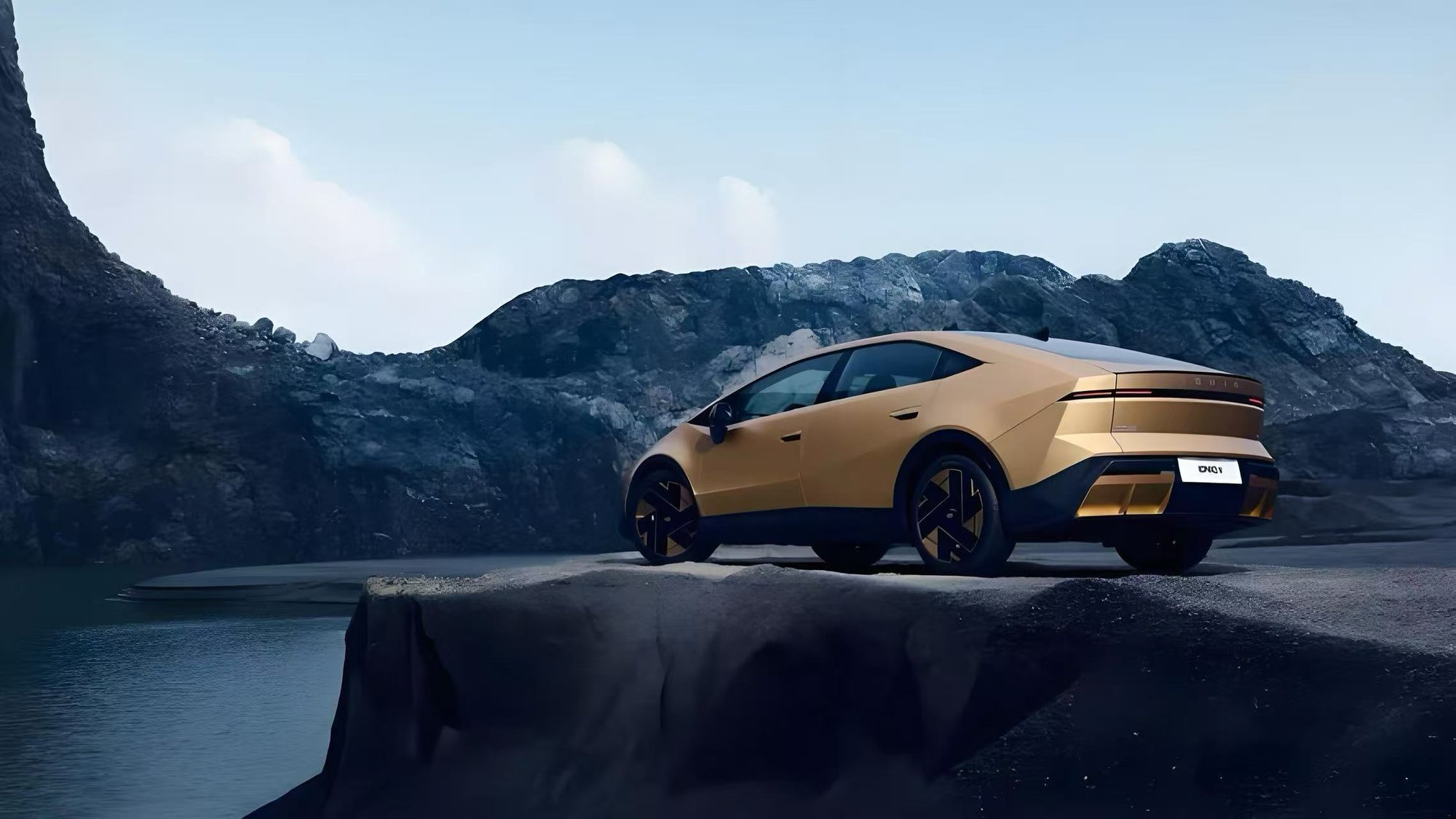
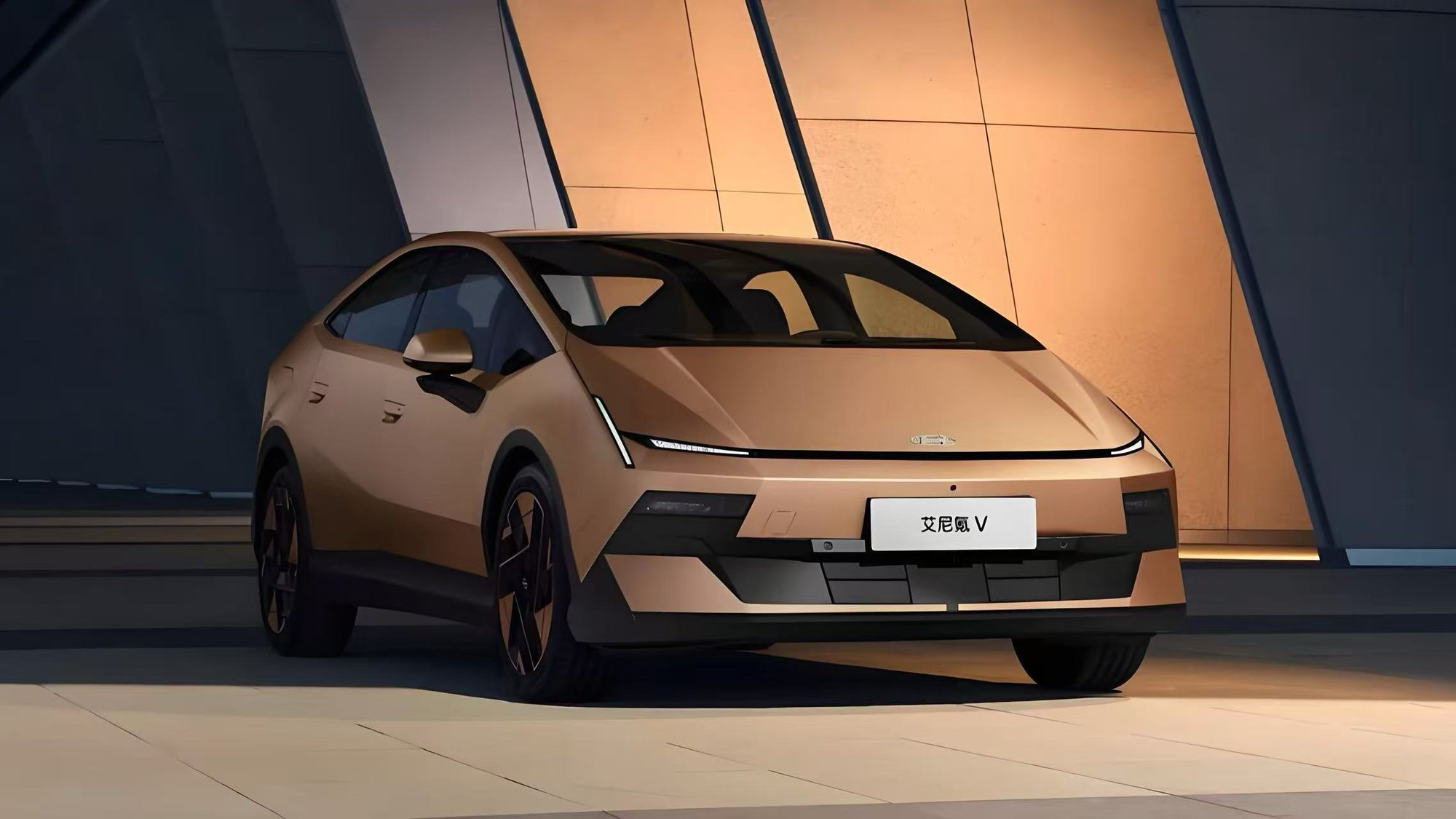
Of course, whether a car can be accepted by the market ultimately comes back to real everyday experience. Attractive exterior design, comfortable driving and riding, stable intelligent interaction, and layered safety design—these product strengths on paper need to be tested over countless morning and evening rush hours, long journeys, and family trips over time.
Beijing Hyundai has been through twenty-four years, witnessing the ups and downs of the domestic auto market. Now, with the Ioniq V, it has presented an answer sheet aimed at ordinary families. The 99,900 yuan starting threshold is not simply a price war. It is using promises others dare not make to practice one thing: prices have come down, but standards and protections have not. Beijing Hyundai hopes to let more ordinary people, with a modest budget, get more complete configurations while also having solid long-term ownership protection.
Final Thoughts
The market will not be easily changed by a single model, but having one more automaker willing to stand in the user's shoes and balance both the present and the long term is always a good thing for ordinary consumers.