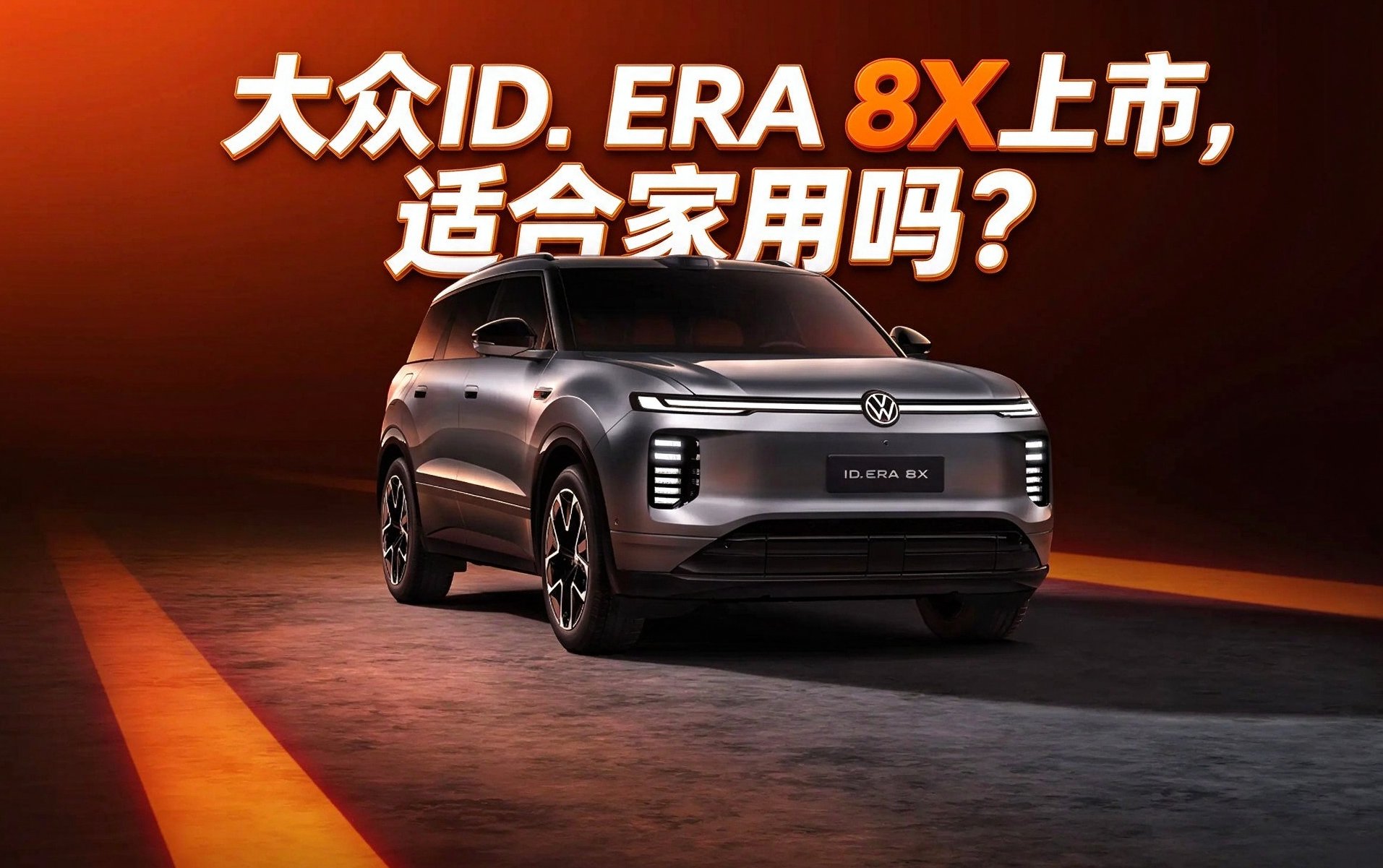
In today's household new energy vehicle market, extended-range models are being accepted by more and more ordinary families. The characteristics of this powertrain format are quite intuitive: daily short-distance travel relies on electric power, keeping usage costs at a relatively low level, while for long-distance travel scenarios, the fuel-powered range extender can come into play, eliminating the need to queue for long periods at highway service areas waiting for charging piles. The ID. ERA 8X launched by SAIC Volkswagen is a five-meter-class large five-seat extended-range SUV, with a limited-time benefit pricing range of 206,800 to 269,800 yuan. In the 250,000 yuan price range, models with a large body but only two rows of five seats are not common. Such a setup, for couples or families of three, actually fits real needs better—after giving up the third-row seats, the rear passenger area and trunk can gain more ample usable space.
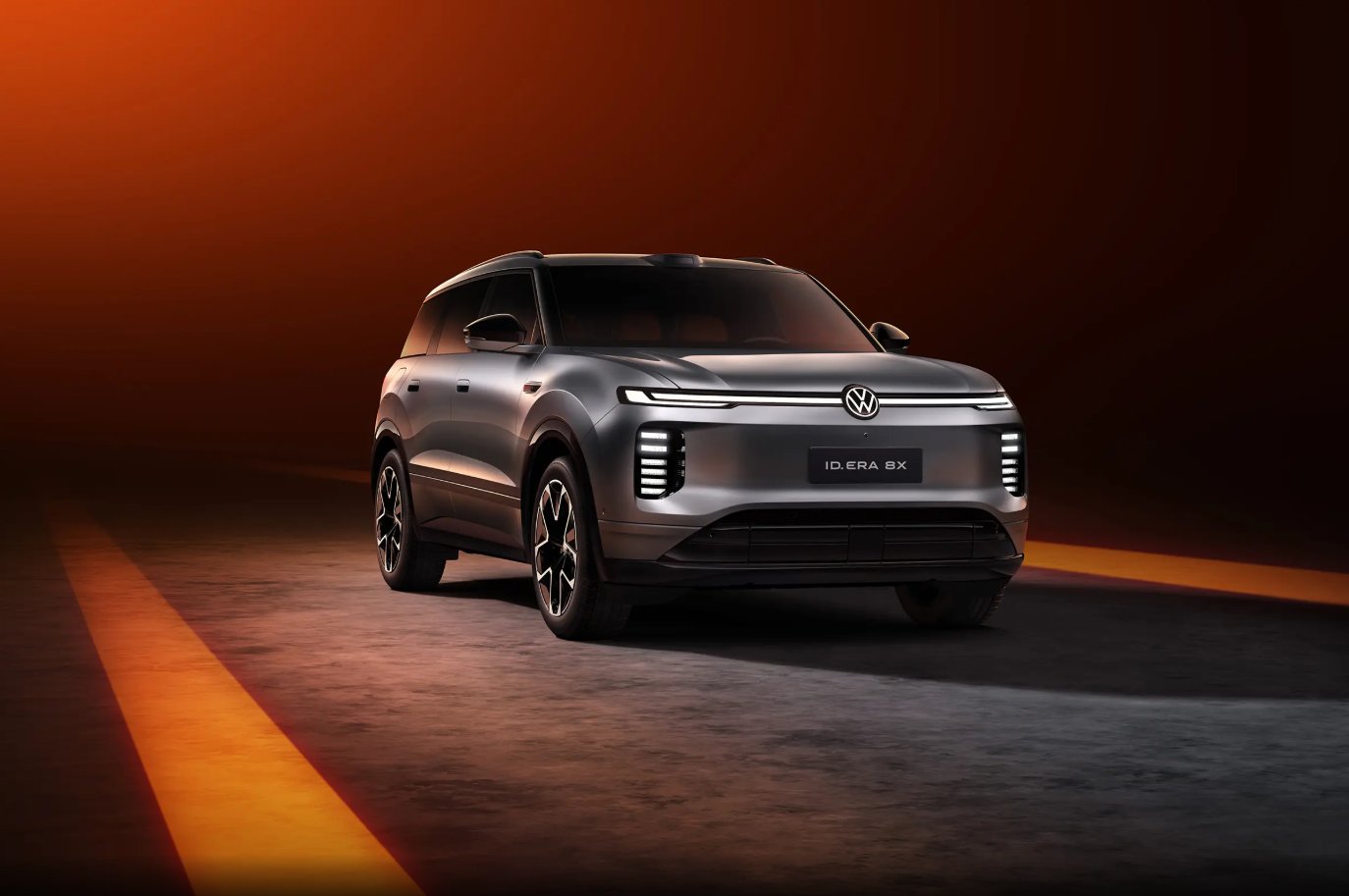
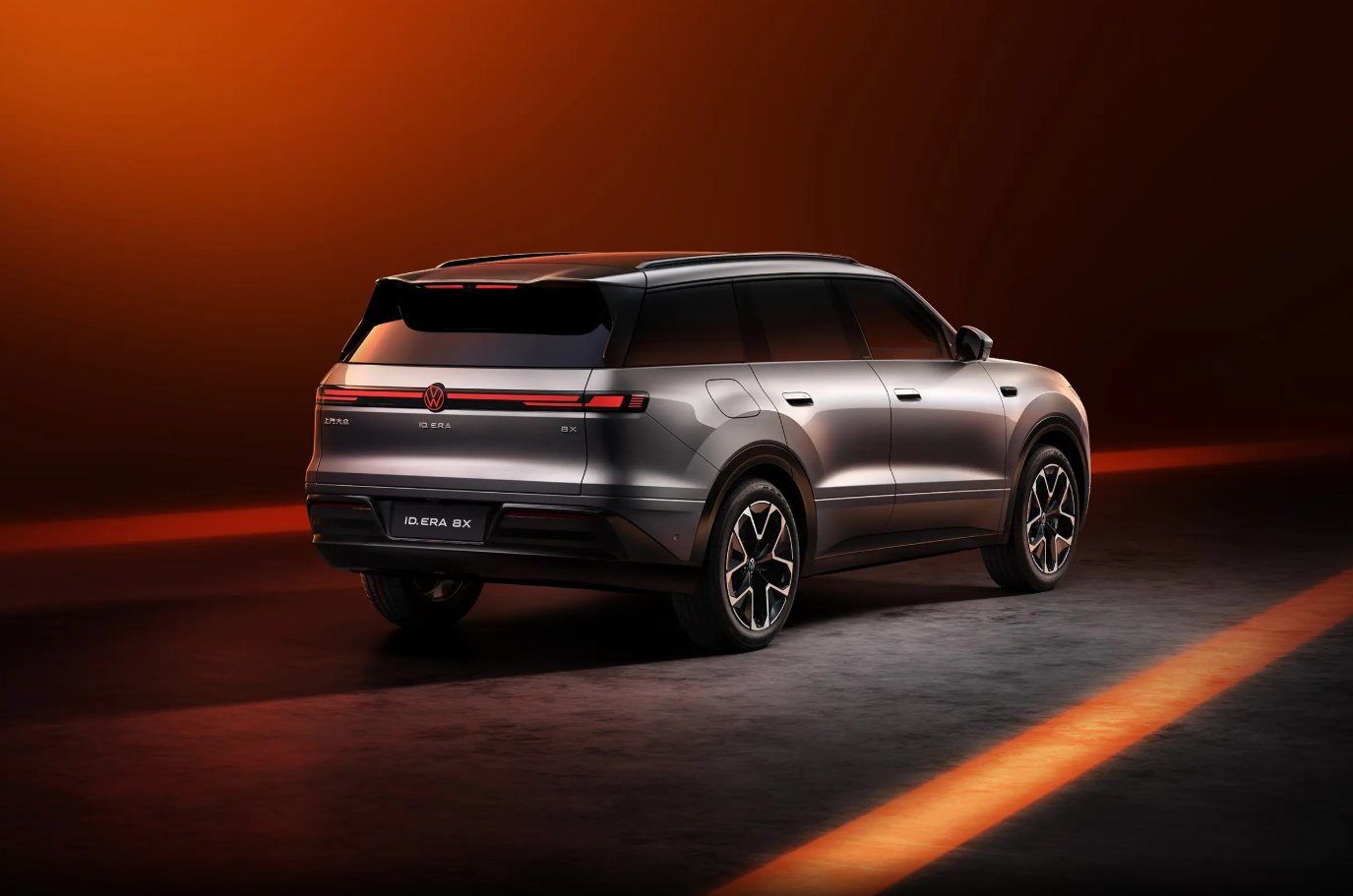
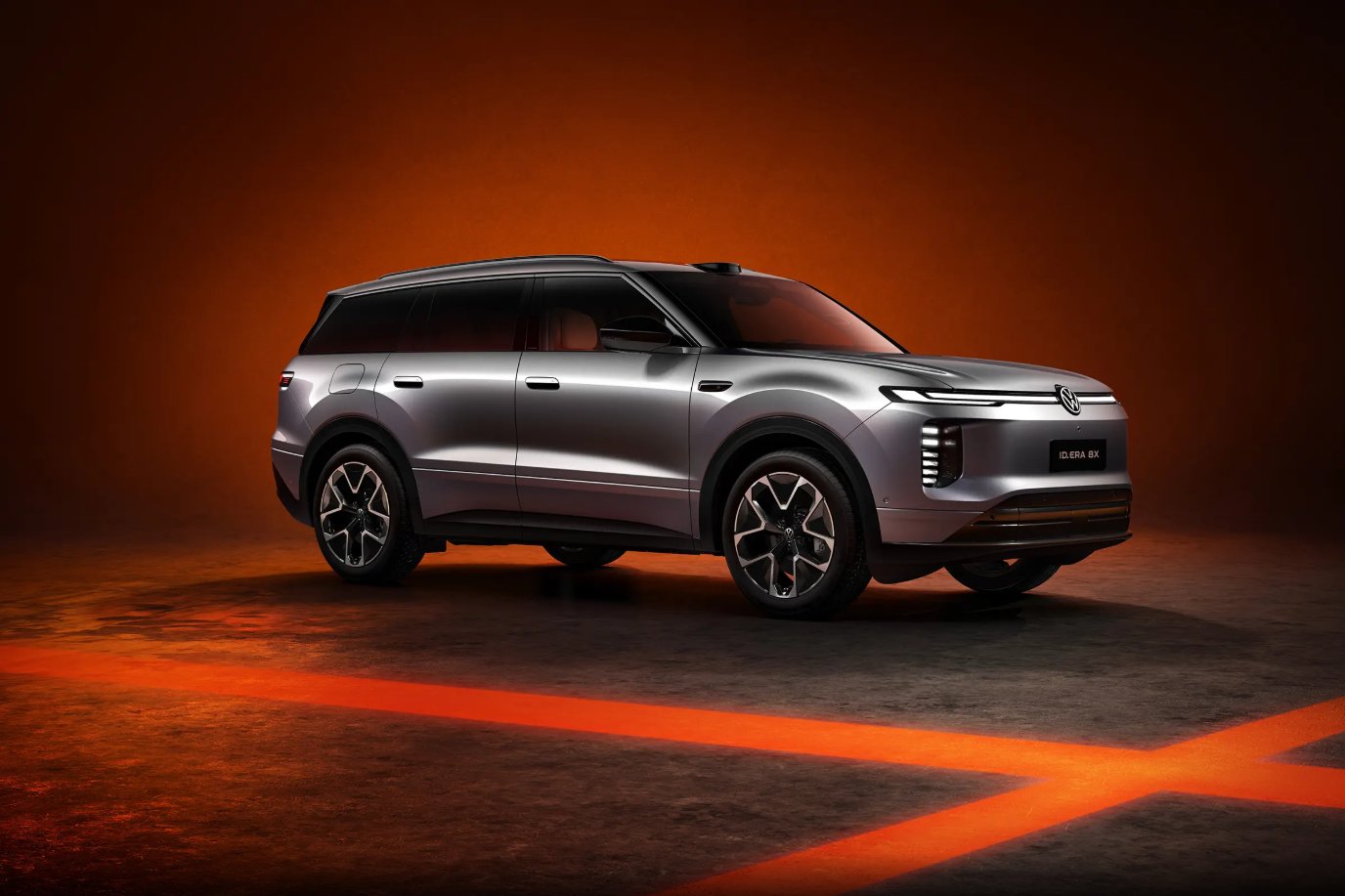
From the exterior appearance of the vehicle, the most intuitive impression of this ID. ERA 8X is the body width. The 1997mm body width, combined with the closed front face and through-type light strip, further broadens the horizontal visual impression of the front end. The laser radar mounted on the roof is positioned without appearing abrupt, blending relatively naturally with the overall roofline. The lower part of the front face is equipped with a six-unit LED light group, which presents a dynamic lighting effect during unlocking and locking, carrying a certain sense of ceremony, but the overall design is restrained, without overly flashy design elements. The body proportions on the side are handled in a relatively coordinated manner. The 5020mm vehicle length combined with the short front and rear overhang design, with wheel arches slightly widened outward, keeps the vehicle from appearing bloated. The semi-hidden door handles are a detail worth noting—the design retains a mechanical operating point, so if the door handles freeze in winter, they can still be opened relying on the mechanical structure.
This vehicle offers a total of six body colors, including Star Sea Blue, Distant Mountain Gray, Snowfield White, Sky Realm Blue, Fairyland Green, and Obsidian Black. Among them, Star Sea Blue is a special color, with a dark blue base and added pearlescent material, allowing a delicate shimmering texture to be seen under sunlight. If the Max and above versions are chosen, the Night Edition exterior package can also be optioned, including a black floating roof, 21-inch Night Edition wheels paired with red brake calipers, and blackened rear badges. This exterior package can change the overall visual style of the vehicle, adding a touch of sportiness. Whether to option it depends entirely on personal aesthetic preference. The semi-hidden door handles retaining a physical opening structure show that Volkswagen made a trade-off between exterior aesthetics and daily practicality, with a product approach leaning more toward practicality. A vehicle length of just over five meters plus a body width of nearly two meters gives the vehicle a steady presence when parked on the road, shaping the impression through body dimensions and proportions rather than relying on exaggerated, sharp body lines to attract attention.
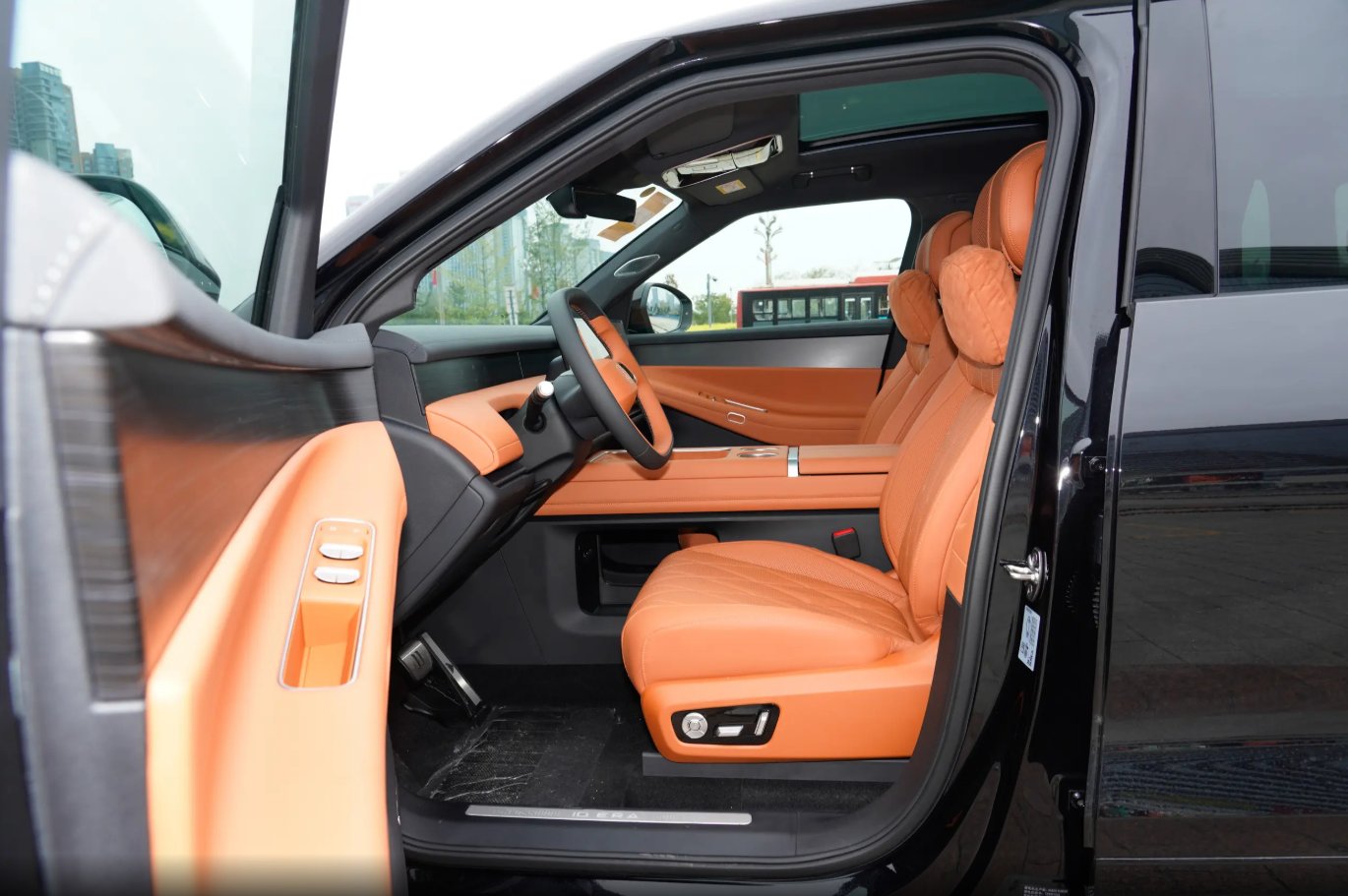
Opening the door and entering the cabin, the wrap-around cockpit layout is immediately clear, with the instrument panel and four door trims connected seamlessly, so there is no sense of emptiness when sitting inside. The center console area and door panels adopt a staggered floating structure, making the horizontal legroom feel more spacious. The interior uses layered material combinations: the headliner uses dark fiber-cloud material, while the instrument panel and door armrest positions use eco-friendly soft-touch materials with a delicate feel. The wood grain trim panel integrates a Smart Surface magic screen, which can blend with the trim when the screen is off and only serve as a display area when lit. The design of embedding screens into door panels is now used by many models, but Volkswagen's approach is relatively restrained—when the screens are not lit, the cabin maintains a complete, integrated look, and only when lit do they switch to functional operation areas. This hidden design approach, compared to directly placing a large screen on the door panel, better fits the daily usage state of a family car.
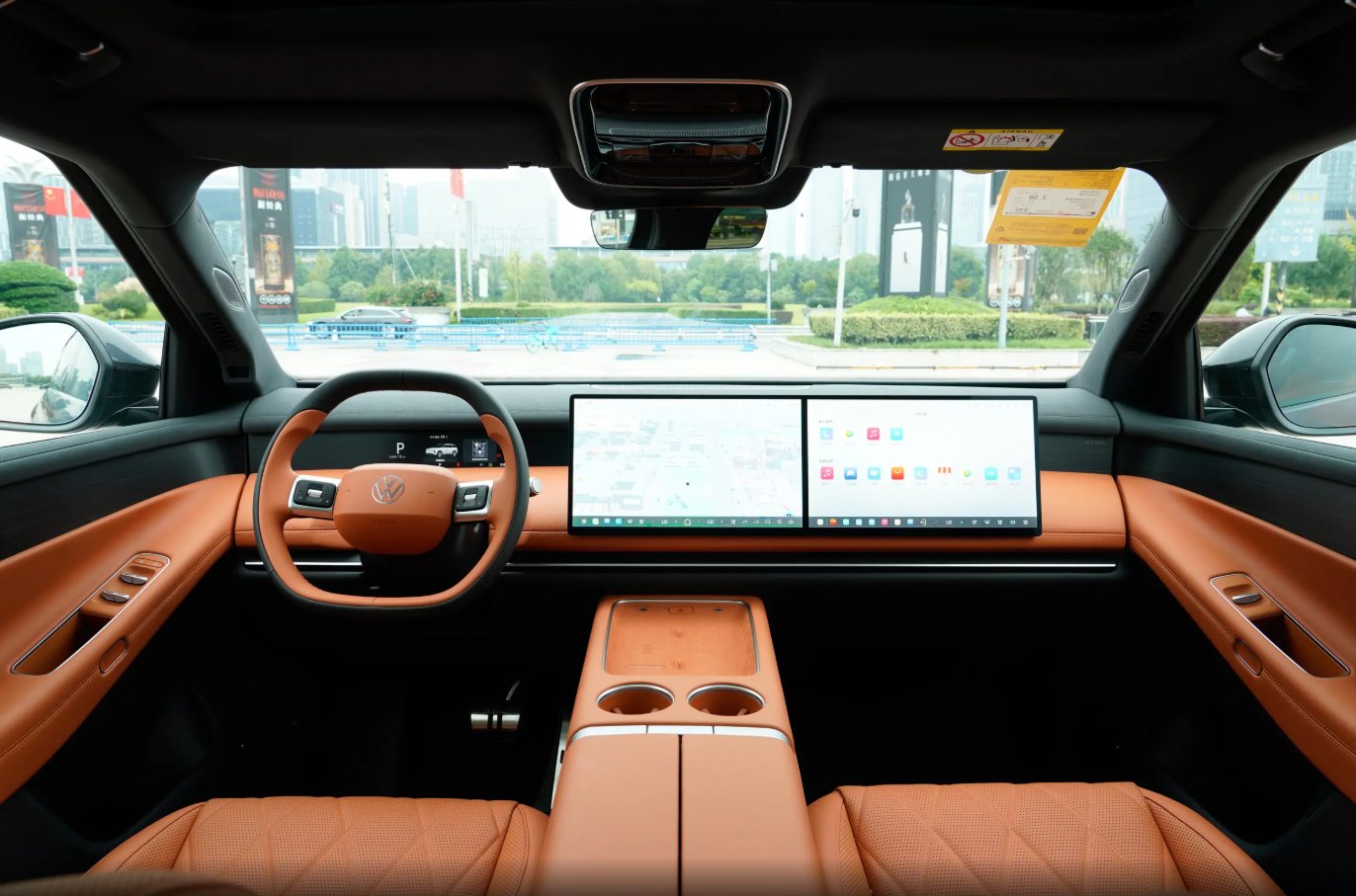
The interior offers three color schemes: Ink Treasure, Natural Tone, and Brocade Orange. The Natural Tone used in the display car is a light color tone, which can make the cabin interior appear open and airy. Brocade Orange leans warm, while Ink Treasure has a more沉稳 style. In terms of seat materials, the Pro version can be upgraded to Nappa full-grain leather, and the Max and higher versions also include this upgrade within the benefit period.
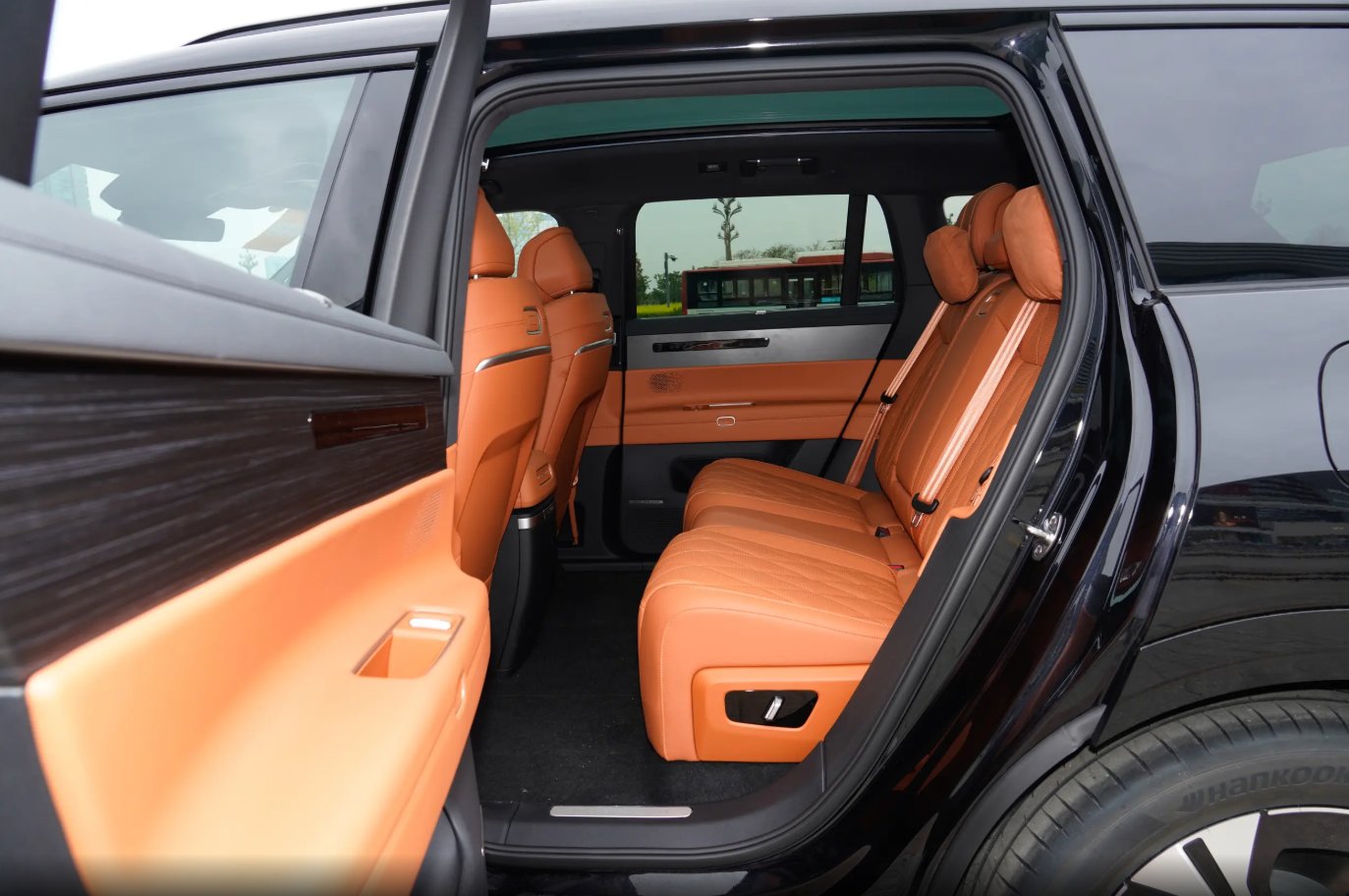
A 2970mm wheelbase with only five seats arranged is the core highlight of this vehicle in terms of space. Taking a height of 178cm as an example, with the front seat adjusted to a normal driving position, the rear passenger's knees still have more than three fists of space from the front seatback. The rear seatback can be adjusted to 133°, and the Ultra version additionally features an electric leg rest, allowing a semi-reclining posture during long journeys. The floor in the middle of the rear row is completely flat, so the middle passenger does not need to spread their legs, reducing discomfort. The left and right rear door panels each carry a 6-inch smart control magic screen. With this screen, rear passengers can independently adjust air conditioning temperature, seat posture, and even control the onboard refrigerator. The screen also has a blind-spot display function, capable of monitoring vehicles approaching from the side and rear. This design gives rear passengers more autonomy, so they do not have to call on front-row occupants every time to help adjust vehicle settings.
The trunk interior is regular in shape, with sufficient depth and width. Although the official specific volume figure has not been published, from on-site visual estimation, placing three to four 24-inch suitcases at the same time, plus various loose personal items, still leaves room to spare. The rear seats support split folding, and after folding, the floor is nearly flat, satisfying needs whether transporting large furniture or storing a full set of camping gear. The 12L double-door onboard refrigerator is arranged behind the central armrest, and the interior can hold eight 550ml bottles of drinking water. In the on-site demonstration of the cooling effect, a noticeable temperature drop could be felt within a few minutes. The design of the in-vehicle storage spaces does not feature exaggerated large-capacity designs. The volumes of the door cup holders, central armrest box, and glove box are at a conventional household level, without deliberately piling on gimmicks, but they are handy and easy to use for storing miscellaneous items in daily life.
The product trade-off of giving up third-row seats can make every trip more relaxed for the vast majority of families whose daily travel人数 remains between two and four people. With a five-meter-class body length, space resources are not split off for a third row but are all allocated to two rows of seats. Rear legroom and trunk depth reach the level they should have for this body size.
The infotainment section is composed of an 8.88-inch instrument magic screen, a 15.6-inch 2.5K central control screen plus front passenger dual screen, and a W-HUD head-up display. The central control screen's clarity and touch response are stable, and relying on the Snapdragon 8295P chip, smoothness has a baseline guarantee when swiping through menus and switching among various applications. The system runs VW OS and supports basic functions such as multi-screen flow, application split-screen, and remote vehicle control. The voice assistant adopts the iFlytek solution, supporting four-zone recognition and dialect recognition, and after one wake-up, multiple commands can be executed continuously. A simple on-site test of Sichuan dialect commands showed acceptable recognition, without the need to deliberately switch to standard Mandarin. After the vehicle windows are closed, shouting from outside the vehicle cannot wake the voice assistant. Such logic settings can avoid unnecessary false triggers and help driving safety to a certain extent.
The W-HUD head-up display has a relatively large display area, and vehicle speed, navigation routes, and assisted driving related information can all be projected into it. The system can automatically adjust the density of displayed information according to vehicle speed, so at high speed it does not pile up too much information and avoids interfering with the driver's line of sight. The instrument magic screen is not large in size, but core driving information is displayed clearly. After getting used to it, the impression is more concise and refreshing compared with traditional mechanical instruments.
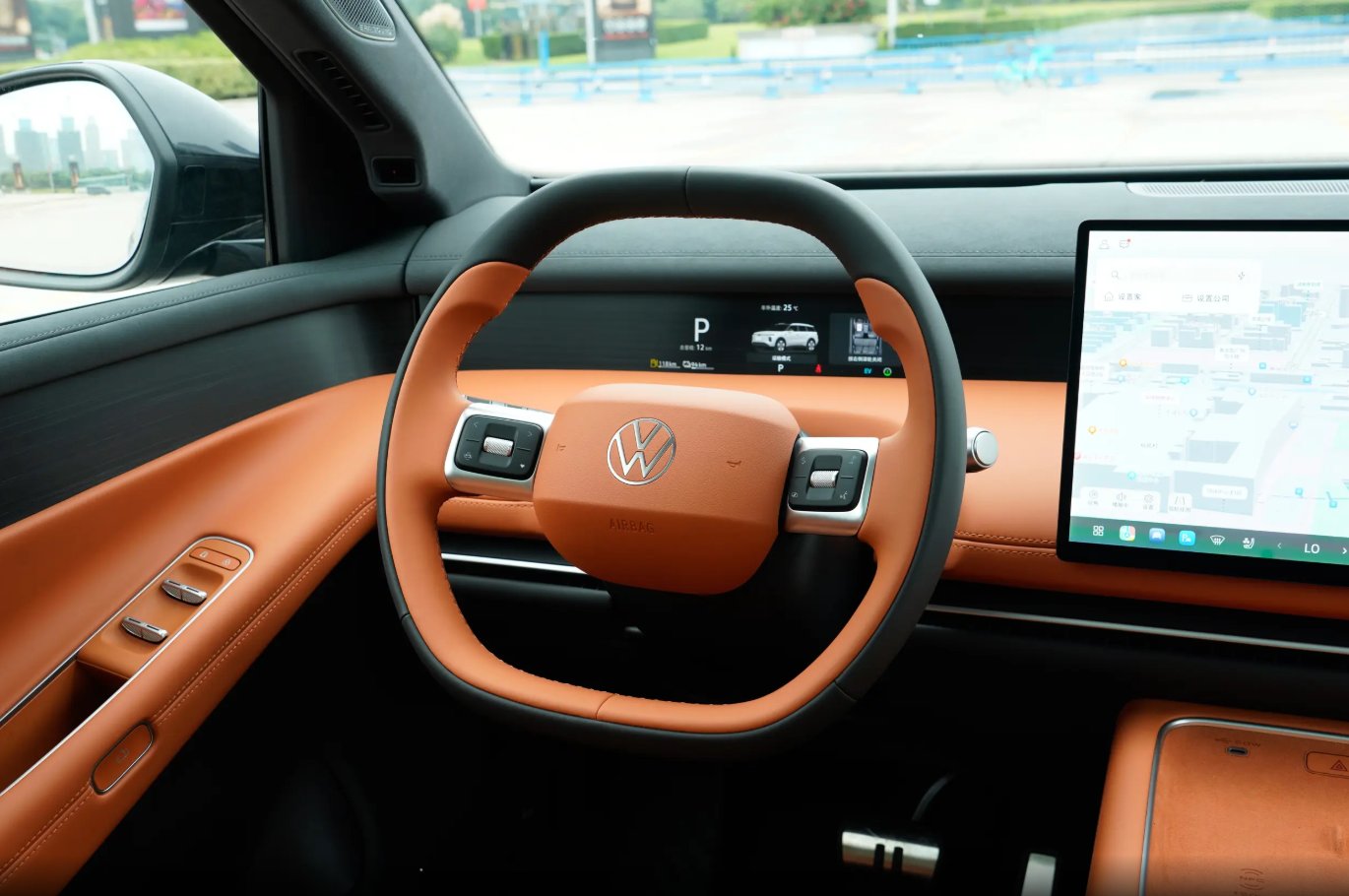
The menu hierarchy and operation logic of VW OS are designed simply, without adding a large number of rarely used functions just to show off a sense of technology. The dialect recognition feature may seem like a small detail, but it is highly practical for users in the southwest region. When elders in the family ride in the car, they do not have to force themselves to speak Mandarin to operate the vehicle.
At the overall vehicle configuration level, the Pro version's basic equipment is already quite comprehensive, and the Max long-range version is a key dividing point in the configuration lineup among the four models. First, looking at the hardware standard across the entire lineup: 192-line laser radar, Momenta R7 world model assisted driving solution, 26 groups of perception hardware, urban navigation, highway navigation assistance, and door-to-door navigation are all included. It also carries an 800V fast charging platform, EA211 range extender, front double wishbone with rear five-link suspension, 12L onboard refrigerator, dual screens, W-HUD, and 9 airbags. These hardware configurations will not be cut as the version lowers, and the Pro entry version can have them all. Therefore, saying the entry version's basic configuration coverage is comprehensive is consistent with the actual situation on this Volkswagen ID. ERA 8X.
The Pro version with a limited-time benefit price of 206,800 yuan carries a 51.1kWh battery, adopts a rear-drive single-motor layout, has a CLTC pure electric range of 373km, a combined range of 1567km, and a WLTC fuel consumption of 5.85L per 100km when out of charge. Front-row 10-point massage function, rear door panel smart control screens, 14-speaker 7.1 audio, and 20-inch wheels are all standard. If daily travel is mainly urban commuting, this version's pure electric range can meet demand, and a usage rhythm of charging once a week is entirely feasible. The main gap between this version and higher versions is the absence of air suspension. The entire lineup is uniformly equipped with laser radar and the Momenta assisted driving solution, which means a complete navigation assistance capability can be obtained for just over 200,000 yuan, greatly lowering the entry threshold for this function.
The Max version has a limited-time benefit price of 229,800 yuan, 23,000 yuan more expensive than the Pro version. The upgrades include an intelligent four-wheel drive system, dual-chamber air suspension, continuously variable damping shock absorbers, and a magic carpet preview system, and also add electric suction doors for the whole vehicle. The air suspension travel is 150mm, and the magic carpet system can predict road conditions 15 meters ahead and actively adjust the suspension state. It should be noted that the Max version's battery capacity is the same as the Pro version at 51.1kWh, and the four-wheel drive system will bring increased energy consumption, reducing the CLTC pure electric range to 340km, with a combined range of about 1444km. What this extra purchase cost buys is four-wheel drive capability and chassis hardware, not longer range. This version is more suitable for users who themselves have a clear need for four-wheel drive performance and chassis quality. The improvement in chassis driving quality brought by four-wheel drive plus air suspension can be genuinely felt.
The Max long-range version has a limited-time benefit price of 249,800 yuan, and it is the version I personally would focus on considering. The battery is upgraded to a 65.2kWh CATL Xiaoyao super hybrid battery, the CLTC pure electric range is increased to 451km, and the vehicle's combined range reaches 1602km. The comprehensive power of the four-wheel drive system is slightly increased, and the 0-100km/h acceleration rises from about 5.0 seconds in the ordinary Max version to 4.6 seconds. The 451km pure electric range can be understood this way: based on a daily commute of 30km, charging is needed only about once every two weeks. After range degradation in winter, the available mileage margin is also more comfortable than the 373km version. Four-wheel drive, air suspension, and electric suction doors for the whole vehicle are all retained, without cutting comfort configurations to improve range. In a horizontal comparison of the four models, this version's configuration balance is relatively prominent.
The Ultra long-range version has a limited-time benefit price of 269,800 yuan, 20,000 yuan more than the Max long-range version. The newly added configurations are concentrated in comfort and technological equipment. The front row is equipped with dual zero-gravity seats, the rear right side has an electric leg rest, the front passenger side adds a folding small table, and it is upgraded to a 23-speaker 7.1.4 panoramic sound system with built-in headrest speakers. It also carries adaptive matrix headlights and 21-inch wheels. The value of these newly added configurations depends on the user's need for rear passenger experience and in-car audio. If the vehicle often carries elderly people and children, the practical value of the rear leg rest and zero-gravity seats is very high. If the rear seats are vacant most of the time, these configurations will be used less frequently in daily life. The Ultra version is more suitable for users with sufficient budget and higher requirements for rear passenger quality.
From the perspective of product trade-offs, the Max long-range version sits right at the balance point between price and configuration, and when purchasing, one only needs to match the version against their own vehicle usage scenarios. At present, I have only completed a static experience. The chassis vibration filtering performance, the NVH level when the range extender intervenes and operates, and the actual performance of assisted driving in complex road scenarios all require driving on the road before a judgment can be made. From the perspective of product positioning, the development approach of the Volkswagen ID. ERA 8X is clear: relying on a five-meter-class body with only a five-seat layout, giving spatial resources priority to the rear row and trunk; standardizing laser radar and the Momenta assisted driving solution across the entire lineup, pushing the entry threshold for high-level navigation assistance down to the 200,000 yuan price point; and the chassis hardware specification is relatively solid among extended-range SUVs in the 250,000 yuan class. This vehicle does not offer six-seat or seven-seat options, and its product positioning better suits families with two to four travelers.
The differences among the four versions are mainly concentrated in three variables: battery capacity, drive format, and chassis and comfort configurations. The Pro version carries a 51.1kWh battery with rear-wheel drive, with the price pushed down to 206,800 yuan, and the core basic hardware is not simplified. The Max version adds 23,000 yuan, upgrading to four-wheel drive and air suspension, with pure electric range dropping to 340km. The Max long-range version adds another 20,000 yuan, expanding the battery to 65.2kWh, bringing pure electric range to 451km, while retaining four-wheel drive and air suspension. The Ultra version adds another 20,000 yuan, with the newly added equipment concentrated in comfort configurations such as zero-gravity seats, rear leg rest, and 23-speaker audio. The Max long-range version combines 451km pure electric range, four-wheel drive, air suspension, and electric suction doors, with relatively balanced overall strength. But this conclusion is drawn only based on static experience and the configuration table. The chassis's real driving performance still needs actual test drives for verification. Which version to choose in the end still depends on personal daily vehicle usage scenarios and the charging conditions at home.


