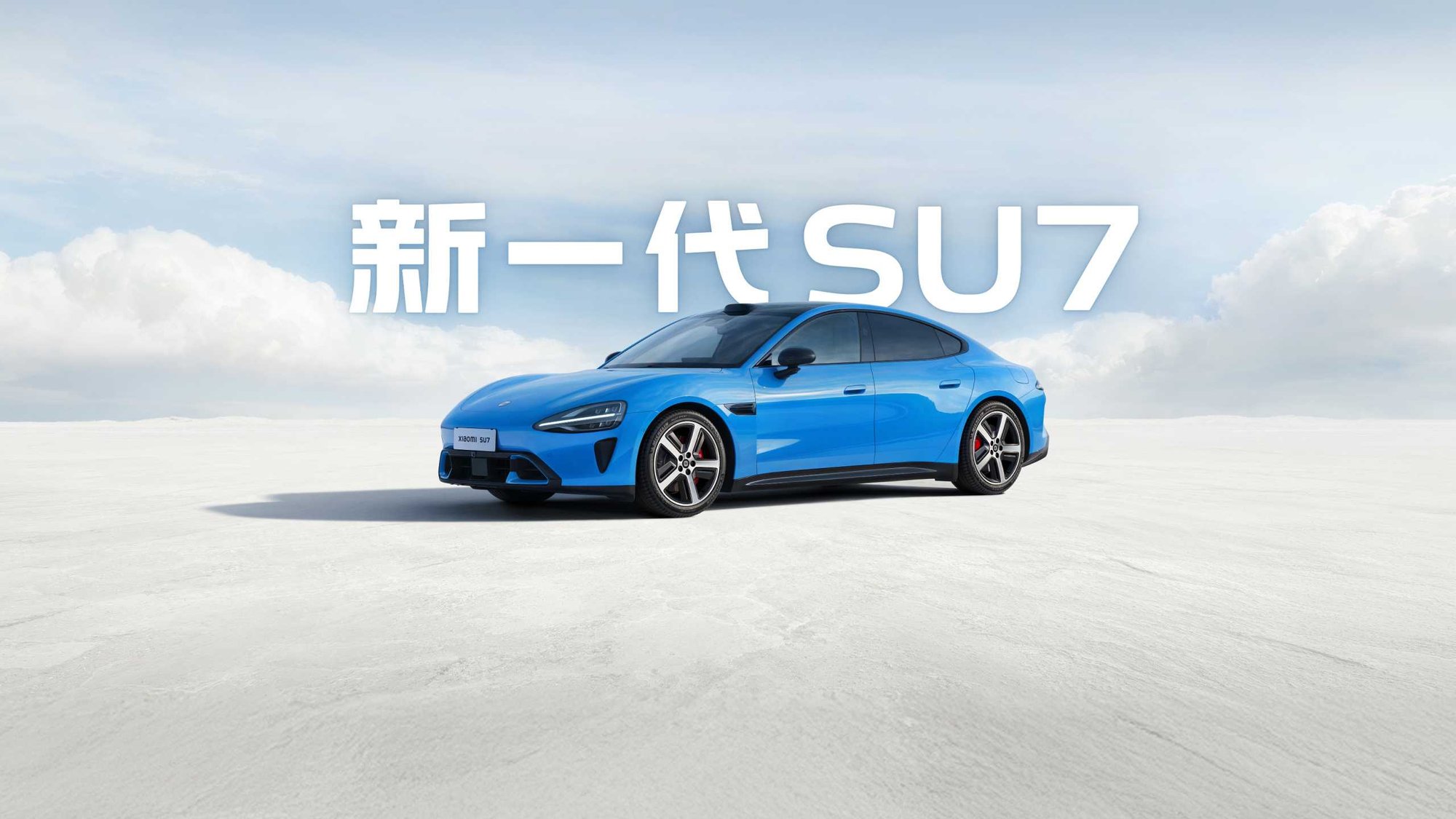
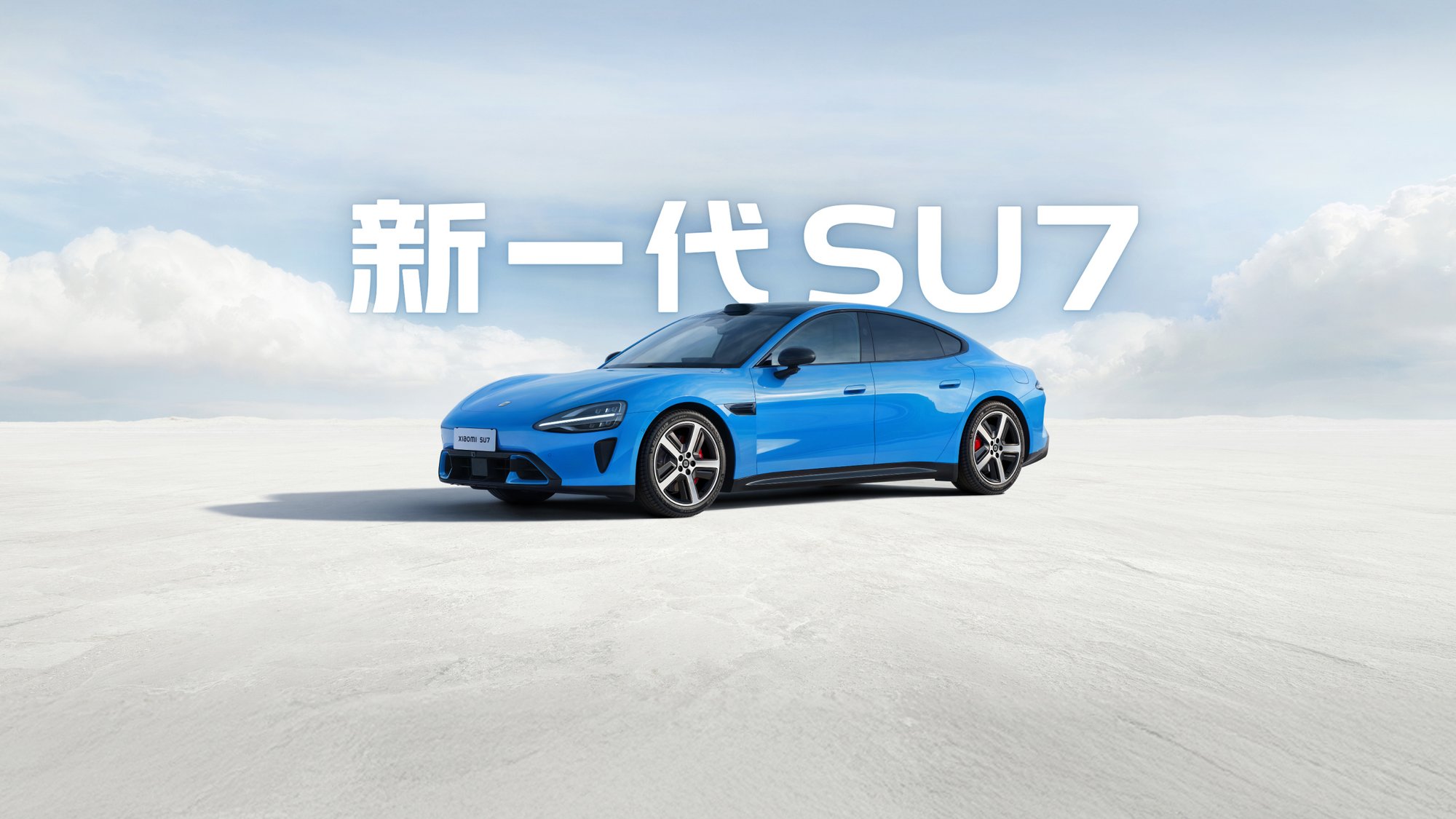
Starting at 219,900 yuan, the new-generation Xiaomi SU7 goes on sale: this time it is not just a facelift, but another push forward in making it "good to drive, good to use, and good to sell"
On March 19, the new-generation Xiaomi SU7 was officially launched, offering three models: Standard, Pro, and Max, with official guide prices of 219,900 yuan, 249,900 yuan, and 303,900 yuan respectively. Orders opened at 21:30 that evening, and locked orders surpassed 15,000 units within 34 minutes of launch. Looking at the numbers alone, this is still an opening with enormous buzz in China's current new energy market; but what is more worth discussing than "15,000 units in 34 minutes" is actually what exactly this car upgraded this time, and why it can still keep fighting.
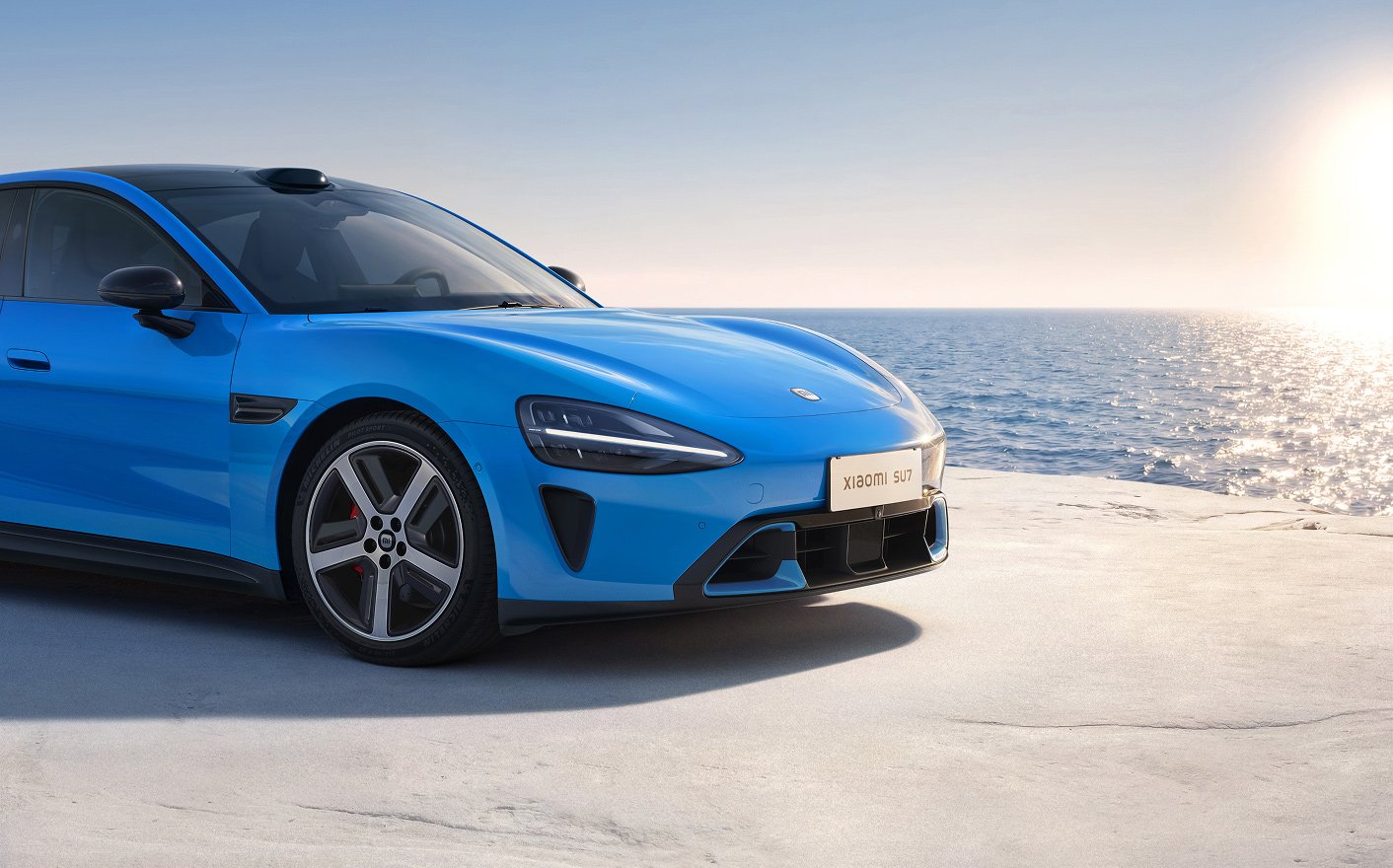
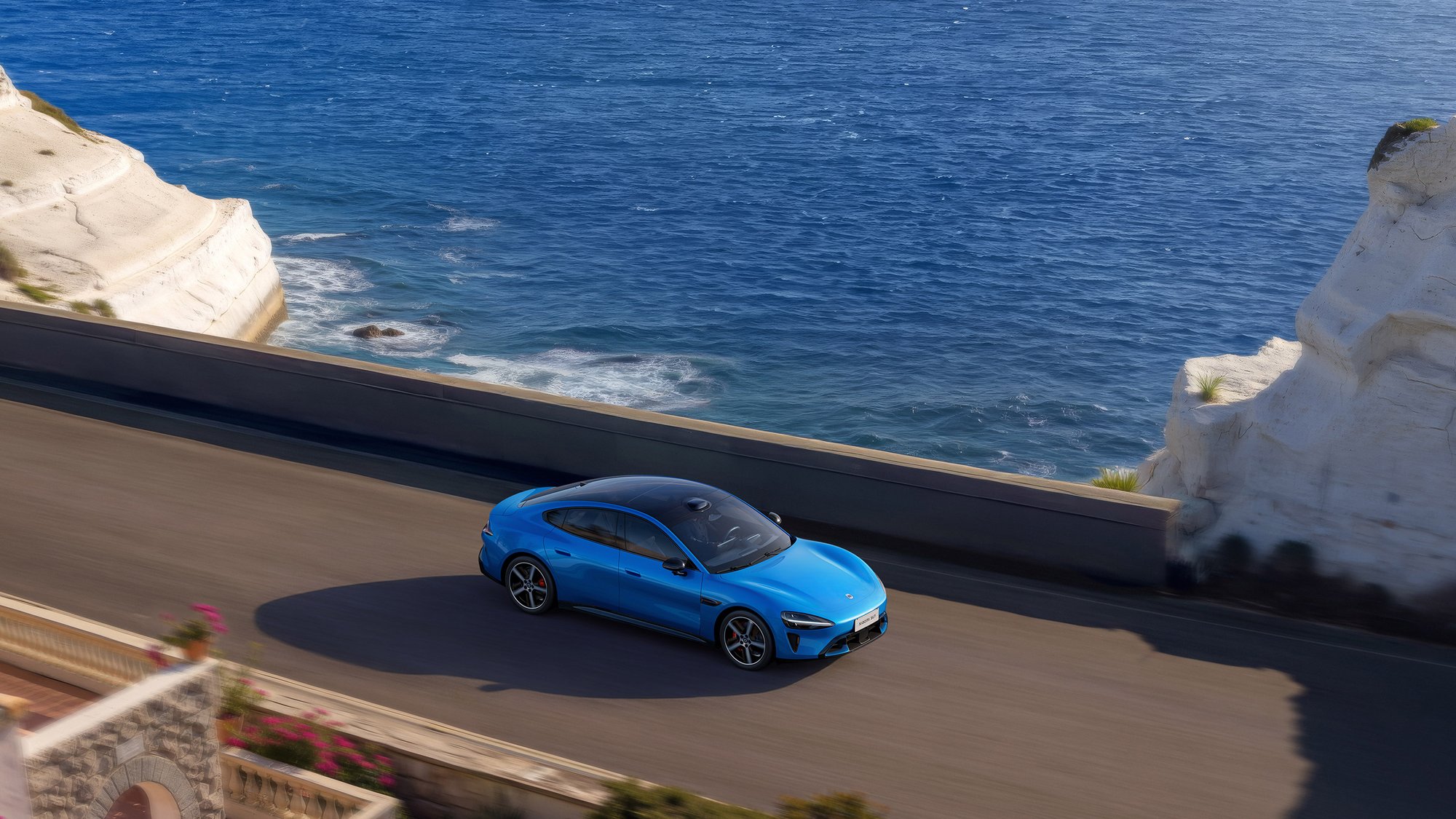
If you only look at the exterior, you would feel that the new-generation SU7 is still the familiar Xiaomi SU7: low-slung, elongated, with well-proportioned lines, while family symbols such as the water-drop headlights and halo taillights have all been retained. But it did not stop at the step of "continuing the classic"; instead, it continued to add more in the places users perceive most easily, such as new paint colors, wheel styles, and strengthening of the overall detail quality. According to the official page, the new car offers a variety of exterior color options including Capri Blue, Sunset Red, and Indigo Stone Green. The Max version continues to be equipped with an electric rear spoiler, and the vehicle as a whole still maintains that sporty visual orientation. In other words, Xiaomi did not overturn the aesthetic perception SU7 had already established, but made refinements on the basis of "familiarity." This strategy is more stable than a drastic facelift.
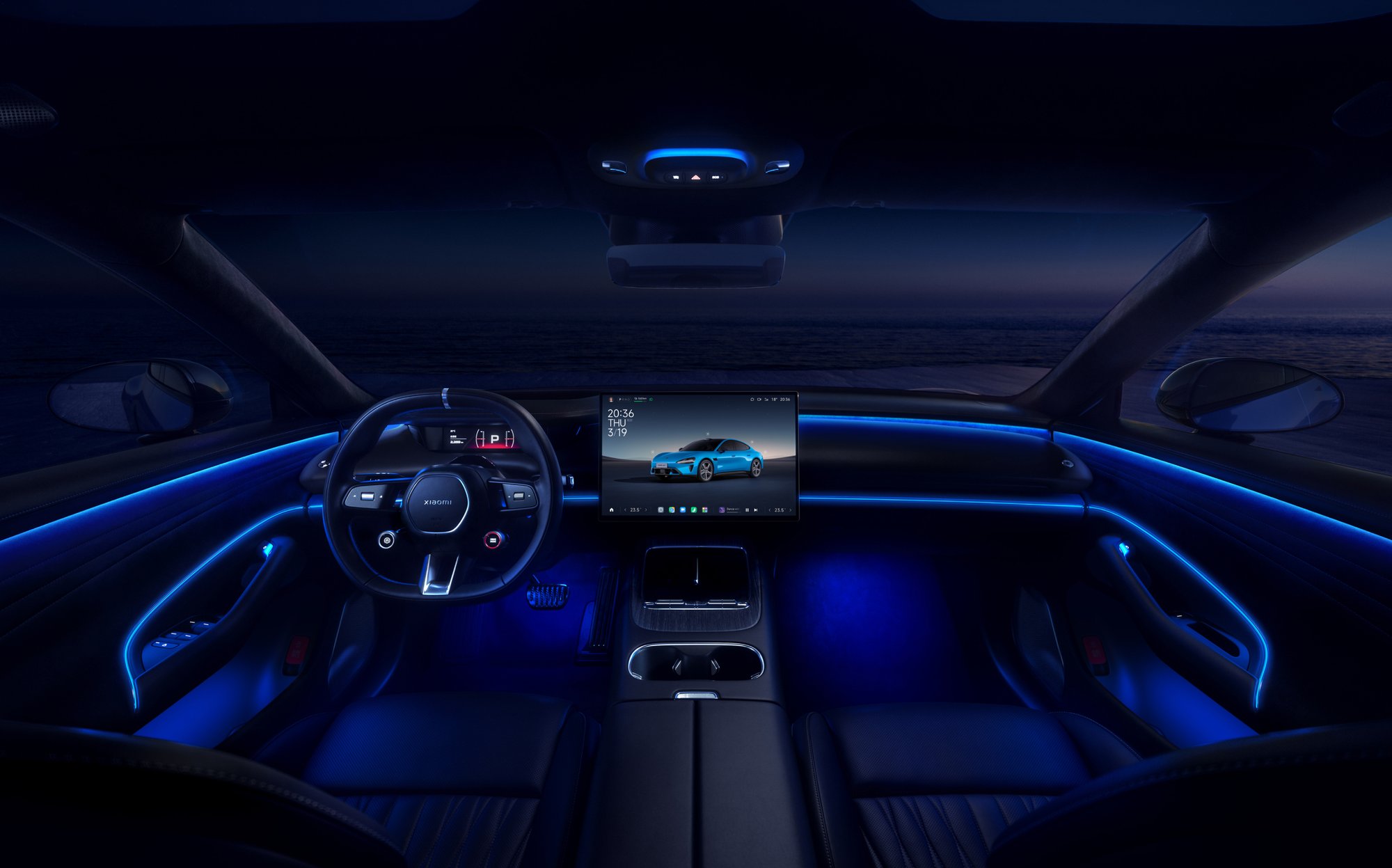
The real focus of the upgrade is actually more in the cabin and the experience layer. The new-generation SU7 continues to strengthen the card of the "Xiaomi-style smart cockpit": Super Xiao Ai has been further upgraded, and the official claim is that voice-controlled car operation now covers 95% of vehicle control functions, while exterior voice also supports more complete interaction;
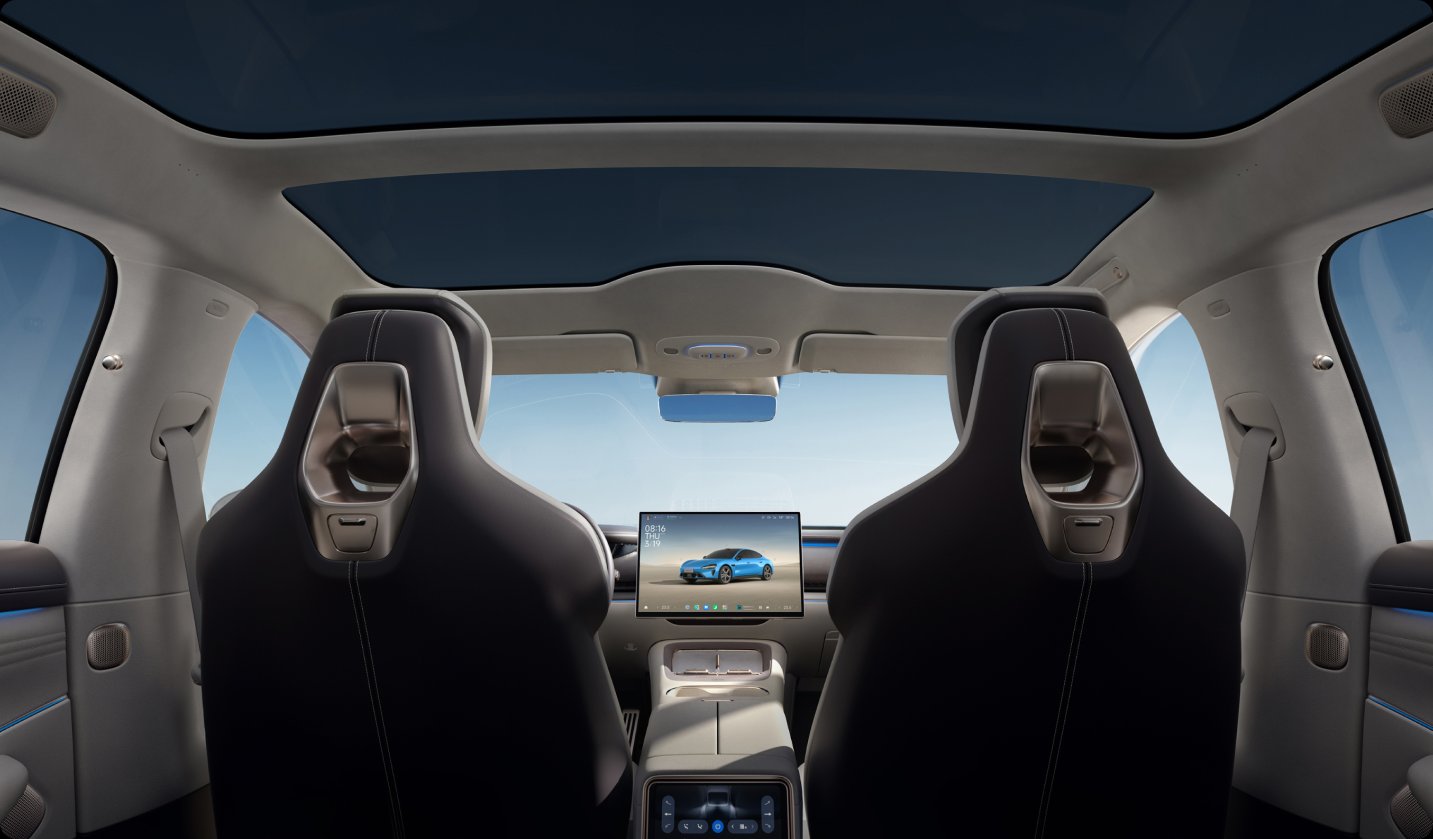
at the same time, cabin quietness, ambient lighting, audio, and seat comfort—places that were easily ignored by "spec sheet enthusiasts" in the past but are actually experienced every day—have also been noticeably enhanced. For example, laminated acoustic glass for all four doors across the lineup, upgraded front seats, and higher-spec acoustics and panoramic roof configuration on the Max version all show one thing: Xiaomi is no longer satisfied with making SU7 a "fun electric car," but has begun polishing it into a more complete and more mature daily driver.
On the technical level, the changes in the new-generation SU7 reveal the product thinking even more clearly. Official information shows that the Standard and Pro versions use a 752V high-voltage platform, while the Max version uses an 897V high-voltage platform; the longest CLTC range across the lineup can reach 902 km. In the chassis section, the Pro and Max upgrade to closed dual-chamber air springs and CDC variable-damping shock absorbers, while the entire lineup upgrades to 265 mm rear wide tires and fixed calipers. In terms of advanced driver assistance, the new car comes standard across the lineup with lidar, 4D millimeter-wave radar, and a 700TOPS computing platform, and is connected to Xiaomi's XLA cognitive large model. You will find that Xiaomi this time is not showing off technology at a single point, but completing the hard strength in the three areas that determine users' long-term experience: driving control, energy replenishment, and driver assistance. Its logic is very clear: it is not only about making you feel it is worth it at the moment you place the order, but about making you still feel, after driving it for a while, that you did not lose money on this car.
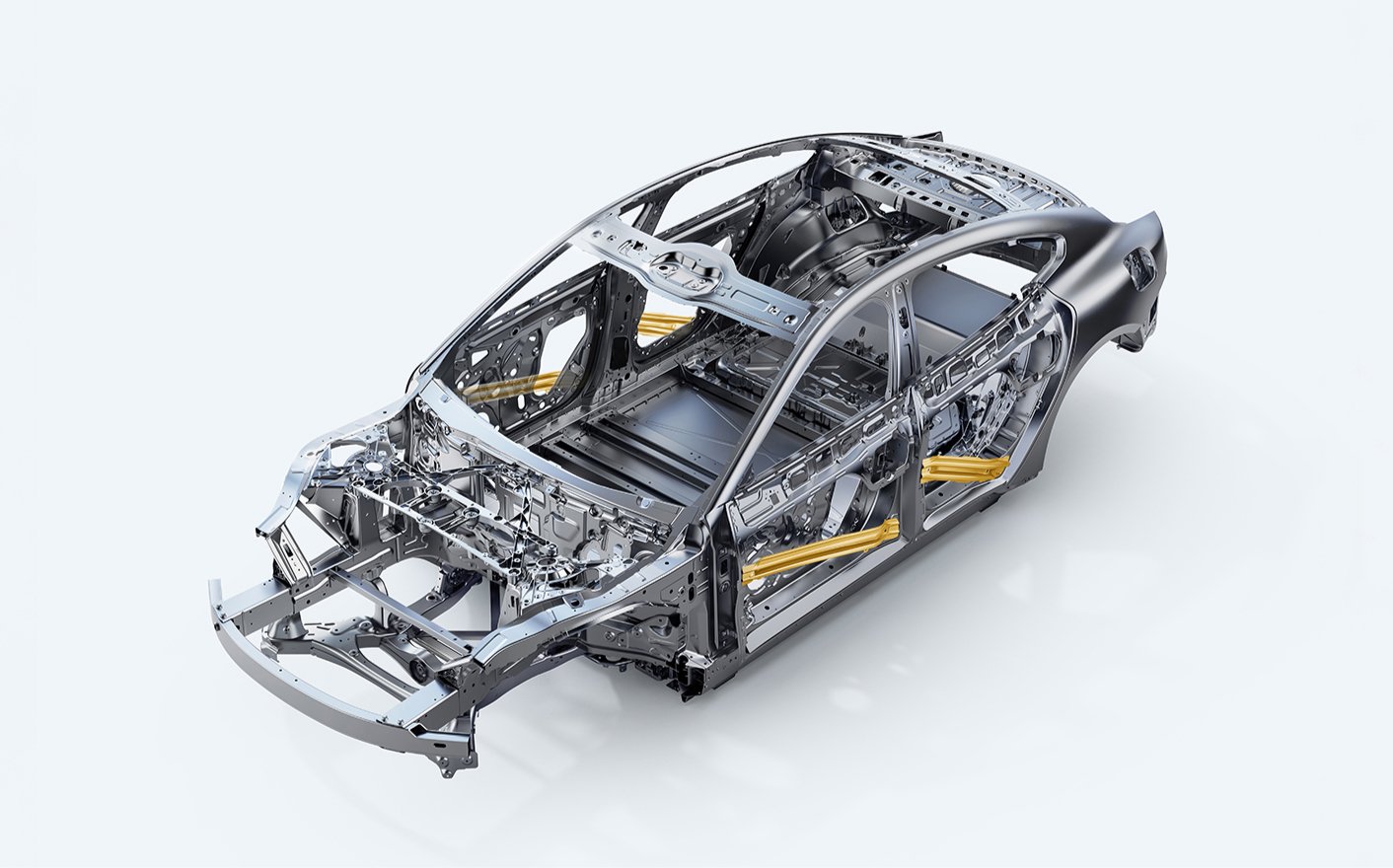
Safety is also an easily underestimated focus of this launch. Official materials show that the new-generation SU7 upgraded to 2,200 MPa anti-collision beams for all four doors and a 2,200 MPa "embedded roll cage," and increased the number of airbags to 9, adding rear side airbags. At the same time, the vehicle also added designs such as mechanical exterior door handles and redundant backup power for door locks. This change is crucial, because it is not just an accumulation of features, but also a response to the industry's real concerns about escape after a collision, unlocking after power loss, and redundant design under extreme conditions for pure electric vehicles. In other words, this upgrade of SU7 is not only making the "sense of technology" stronger, but also working hard to make the "sense of safety" more solid.
Therefore, the most noteworthy thing about the new-generation Xiaomi SU7 is not that it has a few more new colors, nor merely that it surpassed 15,000 locked orders in 34 minutes after launch, but that it has begun to show a more mature product methodology: on the basis of a design users already recognize, continue to strengthen comfort, intelligence, safety, and chassis hardware, allowing this car to transition from a "phenomenal traffic product" to a "long-term mainstream choice." For the 200,000–300,000 yuan pure electric sedan market, this kind of upgrade is more lethal than simply competing on 0–100 km/h acceleration. Because what truly determines whether a car can continue to sell well has never been only the applause on the night of the launch event, but whether, after the event ends, users still feel when they sit in it every day: this car was worth buying.


